


Global sea levels to rise drastically by 2100 due to Greenland, Antarctica's melting ice sheets
Calculating the Antarctic sheet was trickier as the East Antarctic ice sheet can gain mass due to global warming, as warmer temperatures cause increased snowfall.

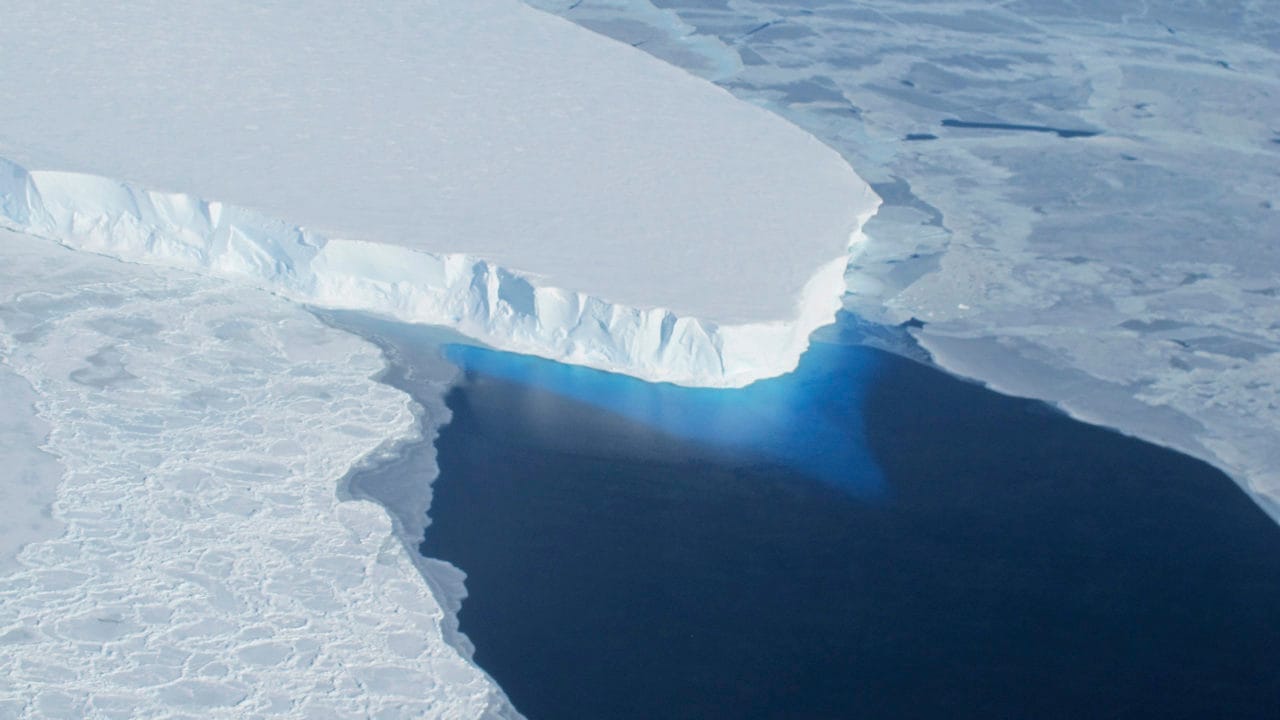
If current levels of greenhouse gas exploitation continue, the ice sheets are going to melt and add more than 38 centimetres to the global sea-level rise by the year 2100. Image credit: Reuters[/caption]An international team of more than 60 ice, ocean and atmospheric scientists had come together to conduct the research that put data received from NASA's Goddard Space Flight Center in Greenbelt, Maryland to use. Ice scientist Sophie Nowicki, who was the project leader, said, “One of the biggest uncertainties when it comes to how much sea level will rise in the future is how much the ice sheets will contribute” and “how much the ice sheets contribute is really dependent on what the climate will do.”The ISMIP6 team studied two future scenarios regarding the predicted sea-level rise. In the time frame of 2015 to 2100, one figure was calculated by keeping high carbon emissions in mind and the other with lower emissions. In the high emissions case, the researchers found that the Greenland ice sheet would lead to an additional global sea-level rise of about 9 cm by 2100. On the other hand, in the lower-emissions scenario, the loss from the same ice sheet would raise global sea level by about 3 cm.Calculating the Antarctic sheet was trickier as the East Antarctic ice sheet can gain mass due to global warming, as warmer temperatures cause increased snowfall. The study has been published in a special issue of the journal The Cryosphere.Earlier, a report by the Institute for Economics and Peace had suggested that climate change and population growth could drive more than 1.2 billion people towards displacement by 2050.

Careless Whispers: Scientists discover that plants can 'talk' to each other using smells
Life on Mars? European Space Agency’s Orbiter discovers ice water deposits at equator
Microsoft briefly overtakes Apple as the most valuable company, Apple back on top again
Even NASA is facing a tough time, starts layoffs following major budget cuts
ISRO, NASA's NISAR satellite to get ready by Jan-end, will monitor Earth's snow-covered regions