


Genetically modified pigs found to be resistant to deadly PRRS causing virus
The animals also showed no signs that the change in their DNA has had any other impact on their health or well-being.

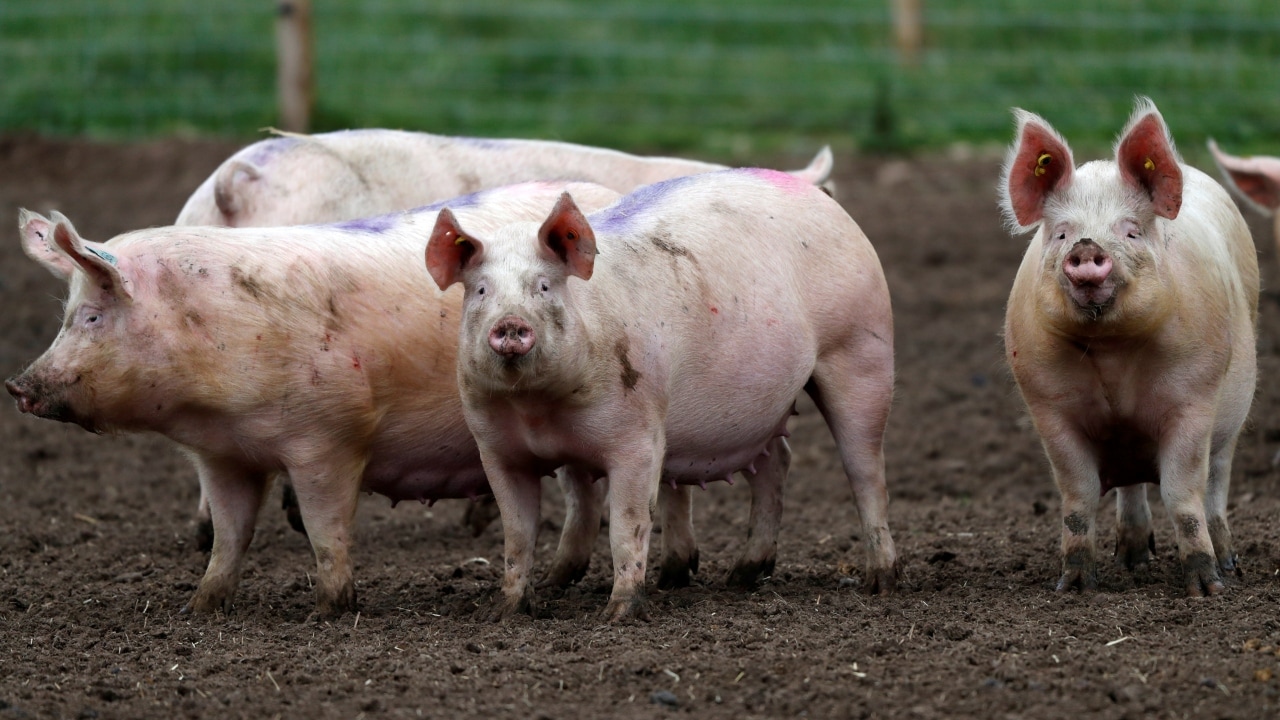
"Gene editing gives us a powerful tool to help reduce losses in the farming industry while improving the health and welfare of the animals themselves," said Alan Archibald, professor at the University of Edinburgh.The virus infects pigs using a receptor on their cells' surface called CD163.For the study, published in Journal of Virology, the team used gene editing techniques to remove a small section of the gene.They focused on the section of the receptor that the virus attaches to, leaving the rest of the molecule intact. The pigs were then exposed to the virus, but scientists found no traces of the infection in the animals after conducting blood tests.Removing only a section of CD163 allowed the receptor to retain its ordinary function in the body and reduced the risk of side effects.However, while "these results are exciting it will still likely be several years before we're eating bacon sandwiches from PRRS-resistant pigs", added Christine Tait-Burkard from varsity."First and foremost we need broader public discussion on the acceptability of gene-edited meat entering our food chain, to help inform political leaders on how these techniques should be regulated."Once "the public are accepting of this technology, we would then be looking to work with pig breeding companies to integrate these gene edits into commercial breeding stocks," she noted.

Careless Whispers: Scientists discover that plants can 'talk' to each other using smells
Life on Mars? European Space Agency’s Orbiter discovers ice water deposits at equator
Microsoft briefly overtakes Apple as the most valuable company, Apple back on top again
Even NASA is facing a tough time, starts layoffs following major budget cuts
ISRO, NASA's NISAR satellite to get ready by Jan-end, will monitor Earth's snow-covered regions