


Genes from ancient Roman civilization resembles those from the Mediterranean, Middle East
The diversity among people increased in 27 BCE to 300 CE, with the empire stretching from North Africa to Britain to the Middle East.

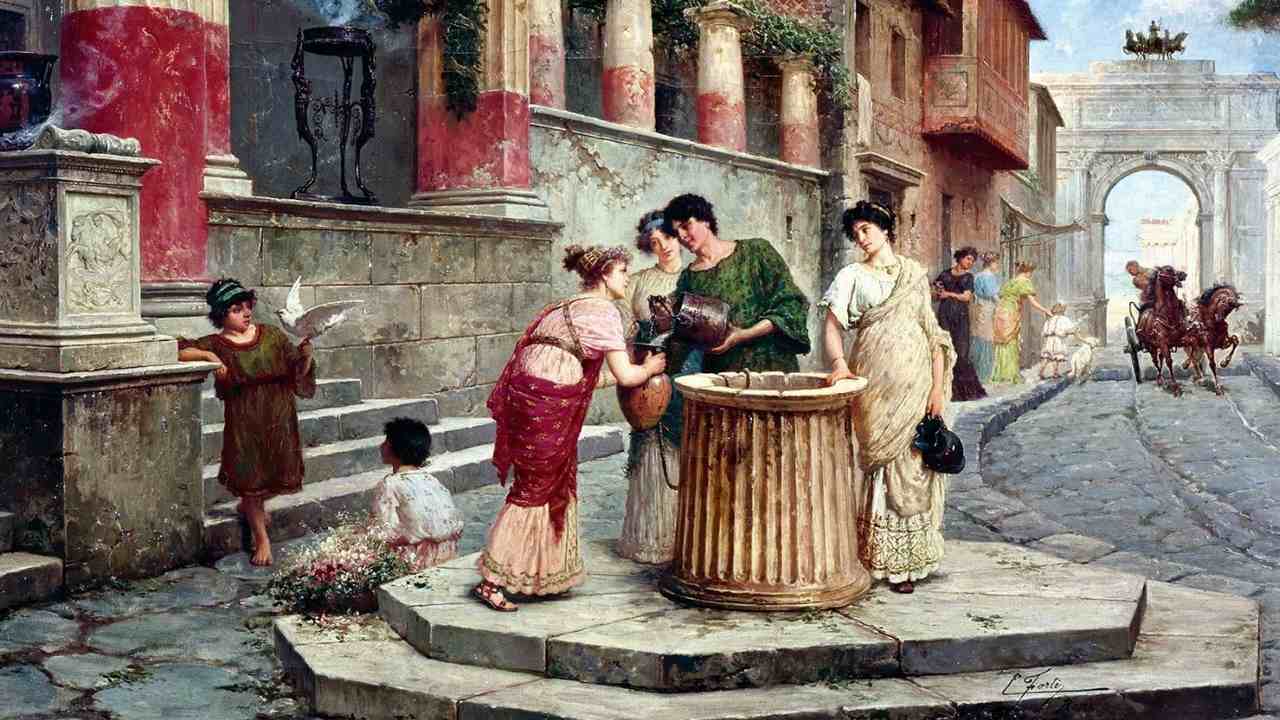
A painting of daily life in Rome. Image credit: Pinterest[/caption]Writing in the journal Science, researchers from Stanford and Italian universities said people from the city's earliest eras and from after the Western empire's decline in the 4th Century CE genetically resembled other Western Europeans.But during the imperial period, Romans had more in common with populations from Greece, Syria and Lebanon.The earliest sequenced genomes, from three individuals living 9,000 to 12,000 years ago, resembled other European hunter-gatherers at the time.Starting from 9,000 years ago, the genetic makeup of Romans again changed in line with the rest of Europe following an influx of farmers from Anatolia or modern Turkey.Things started to change however from 900 BCE to 200 BCE, as Rome grew in size and importance, and the diversity shot up from 27 BCE to 300 CE, when the city was the capital to an empire of 50 million to 90 million people, stretching from North Africa to Britain to the Middle East.Of the 48 individuals sampled from this period, only two showed strong genetic ties to Europe.

Careless Whispers: Scientists discover that plants can 'talk' to each other using smells
Life on Mars? European Space Agency’s Orbiter discovers ice water deposits at equator
Microsoft briefly overtakes Apple as the most valuable company, Apple back on top again
Even NASA is facing a tough time, starts layoffs following major budget cuts
ISRO, NASA's NISAR satellite to get ready by Jan-end, will monitor Earth's snow-covered regions