


First closeup image of a black hole ever taken might be unveiled on 10 April
The closest supermassive black hole to us is thought to be at the heart of the Milky Way galaxy.

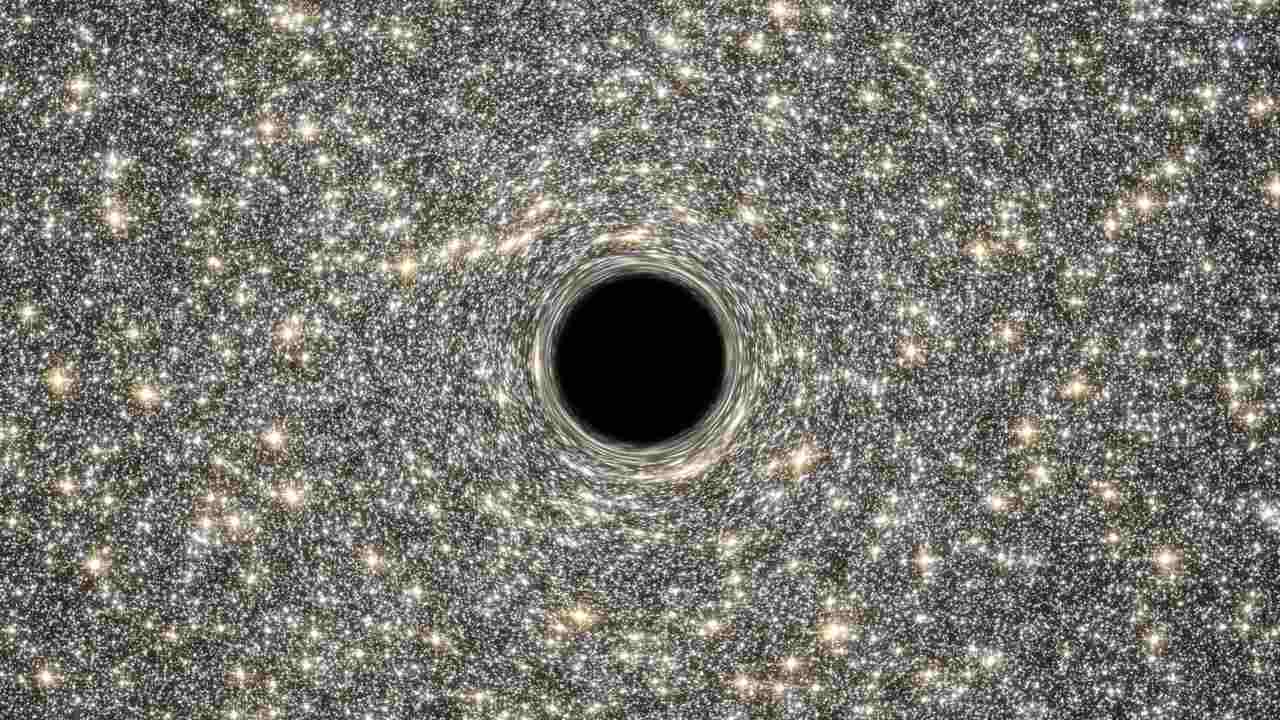
An illustration of a black hole. Image courtesy: NASA Goddard[/caption]Black holes are points in space that have a gravitational pull so strong, not even light can escape from it. Legendary physicist Albert Einstein spent the better half of his life trying to prove his own prediction that black holes exist. Since then, 103 years have passed, and we're still as lost for concrete evidence for black holes today as Einstein was.Enter, the Event Horizon Telescope (EHT), which promises to change that. The EHT is a network of many ground-based radio observatories or radio telescope facilities around the world coordinated to produce a single, high-sensitivity, high-resolution telescope. Astronomers have been using it since 2006 to peer into Sagittarius A — a monster black hole at the centre of our galaxy.

Careless Whispers: Scientists discover that plants can 'talk' to each other using smells
Life on Mars? European Space Agency’s Orbiter discovers ice water deposits at equator
Microsoft briefly overtakes Apple as the most valuable company, Apple back on top again
Even NASA is facing a tough time, starts layoffs following major budget cuts
ISRO, NASA's NISAR satellite to get ready by Jan-end, will monitor Earth's snow-covered regions