


First black hole spotted in 1964 is much more massive than researchers expected
The Cygnus X-1 black hole may be the most massive stellar-mass black hole ever found, at 21 times our sun's mass.

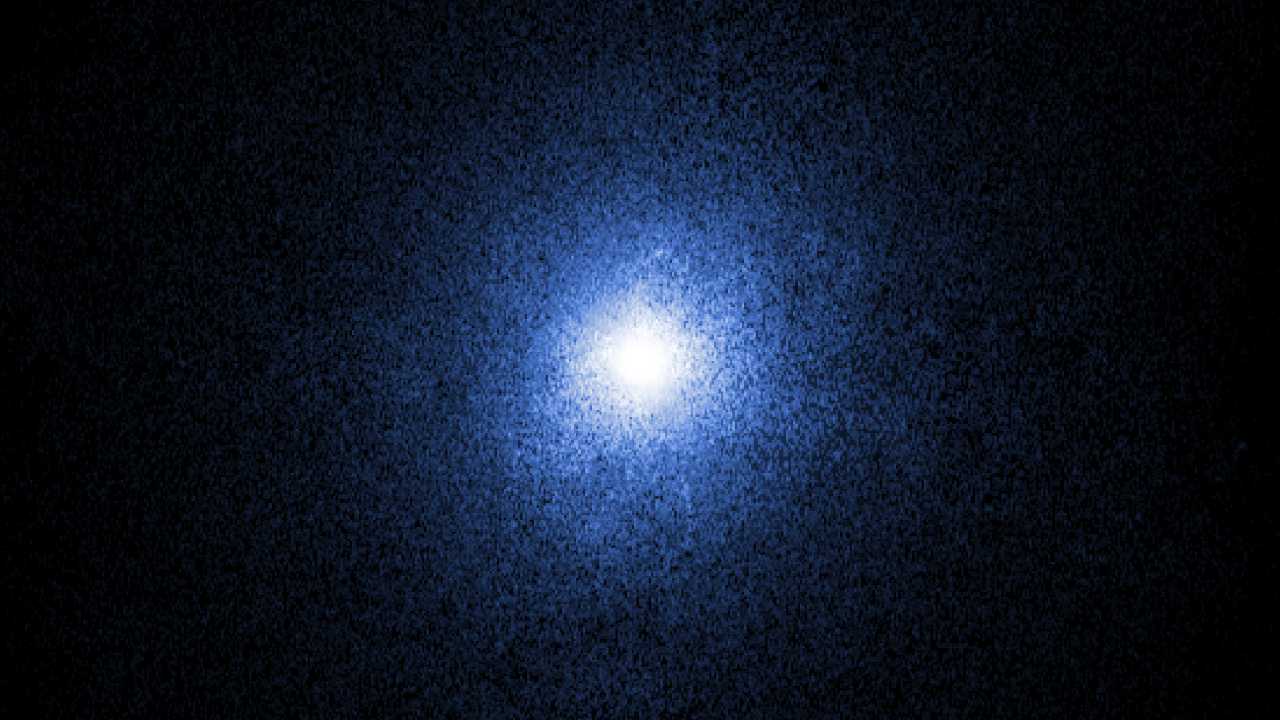
Cygnus X-1 is located near large active regions of star formation in the Milky Way, as seen in this image that spans some 700 light years across. In recent years, studies with data from the Chandra observatory and several other telescopes have determined the black hole's spin, mass, and distance with unprecedented accuracy. Image: NASA[/caption]Astronomers had determined that the stellar phenomenon was bigger than the mass of the Sun. They used a combination of more advanced telescopes and new techniques, including the continent-sized Very Long Baseline Array which is a continent-sized radio telescope that is made up of 10 dishes spread across the United States, to measure distances in space.Professor James Miller-Jones, the lead author from Curtin University said that viewing the same object from different locations allowed astronomers to calculate its distance, by measuring how far the object appeared to move relative to the background. The black hole and its giant partner star that is 22 times larger than the Sun, orbit each other every five and a half days.Xueshan Zhao is a co-author and a Ph.D. candidate studying at the National Astronomical Observatories—part of the Chinese Academy of Sciences (NAOC) in Beijing said that using the updated measurements for the black hole’s mass and its distance away from Earth, he could confirm that Cygnus X-1 was spinning close to the speed of light and faster than any other black hole found till date.

Careless Whispers: Scientists discover that plants can 'talk' to each other using smells
Life on Mars? European Space Agency’s Orbiter discovers ice water deposits at equator
Microsoft briefly overtakes Apple as the most valuable company, Apple back on top again
Even NASA is facing a tough time, starts layoffs following major budget cuts
ISRO, NASA's NISAR satellite to get ready by Jan-end, will monitor Earth's snow-covered regions