


First bacteria to colonize our gut affects how we fights chronic disease as adults
The adult gut microbiome is quite similar to the microbiome first introduced, the results show.

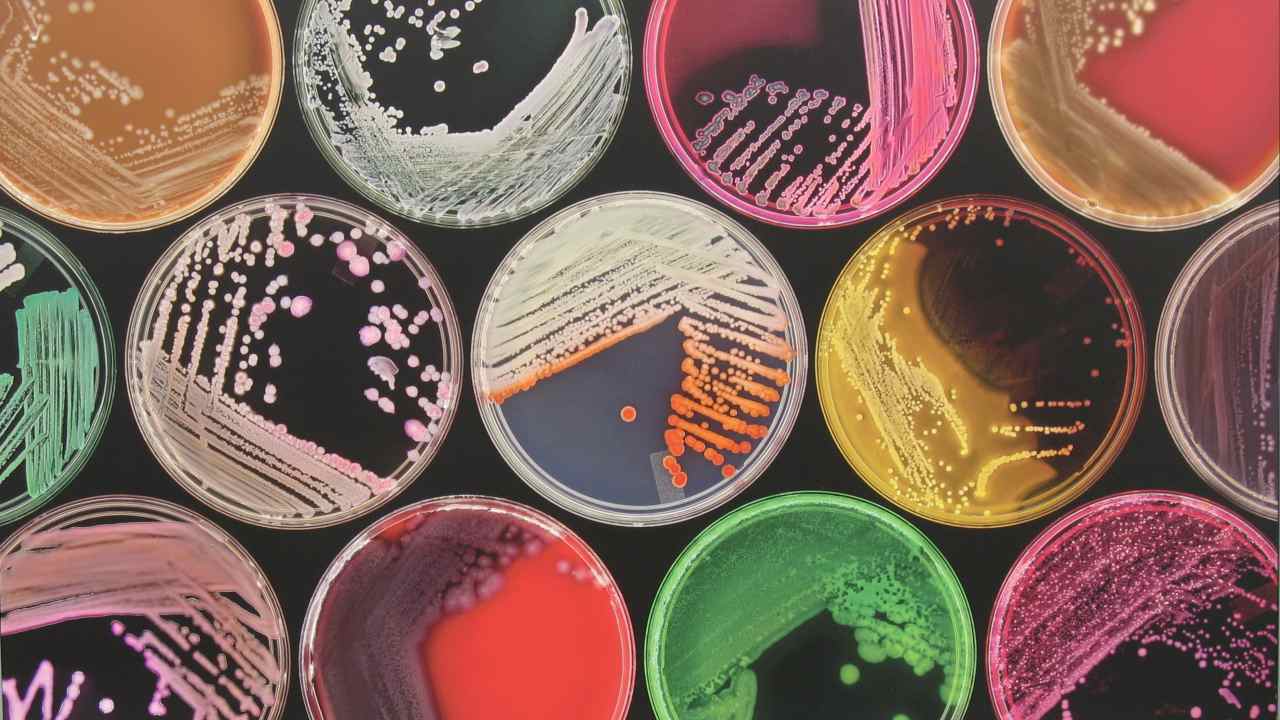
Representational image. Image courtesy: Geograph[/caption]In the study, published in the journal eLife, the team introduced distinct microbial communities, collected one at a time, from adult mice into the gastrointestinal tracts of young, genetically identical mice.The results showed that the microbiome in the adults was more similar to the microbiome introduced first.Even using a cocktail of four different bacteria, the researchers repeatedly found that the first microbes showed the highest level of persistence and the strongest influence on how the gut microbiome developed."Having long-term persistence of microbes when they colonise in the gut early in life means that a health-promoting biome could potentially be established by introducing beneficial bacteria straight after birth," Walter noted.Baby formulas fortified with probiotics already do this to a degree, but knowing more about how probiotics affect other members of the gut's microbial community could take it to the next level, he said.

Careless Whispers: Scientists discover that plants can 'talk' to each other using smells
Life on Mars? European Space Agency’s Orbiter discovers ice water deposits at equator
Microsoft briefly overtakes Apple as the most valuable company, Apple back on top again
Even NASA is facing a tough time, starts layoffs following major budget cuts
ISRO, NASA's NISAR satellite to get ready by Jan-end, will monitor Earth's snow-covered regions