


EU wants the controversial ritual of seasonal clock changes abolished
The ritual's irrelevant and unhealthy sides have been highlighted in protests in recent years

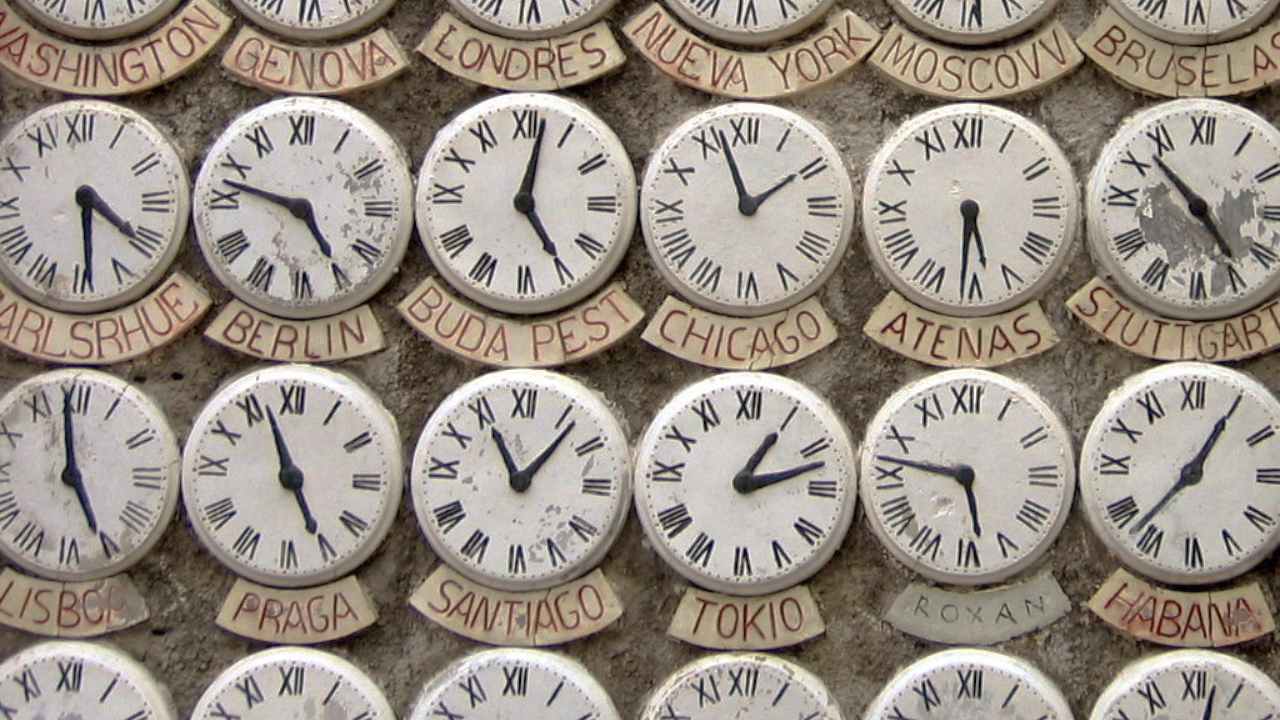
Representational image. Wikimedia Commons/Leoplus[/caption]Body clocksProtest movements have emerged around the world highlighting the negative impact of clock changes and arguing that with the progress of technology, the energy-saving ritual has become irrelevant.Critics say the changes impact on our health by playing havoc with the body clocks of children and the elderly in particular, and hitting hardest those who work outdoors.The environment is also a factor to take into consideration. Atmospheric pollution increases in the summer and traffic peaks coincide with maximum sunlight.The agricultural community also says clock changes are disruptive to farm animals.To change or not to change?During the US occupation of Japan after World War II clock changes were introduced in 1948 but abolished in 1952 after independence.China also floated seasonal clock changes in 1986 but the trial proved inconclusive and a single stable time was reestablished in 1991.Russia has gone back and forth, first introducing changes in 1917 and finally, after a number of experiments and protests, settling in 2014 on wintertime the whole year round.Belarus, Iceland and Argentina have ditched clock changes, as did Chile in 2015 although it rescinded the following year, leaving a world still divided on the question of tampering with time according to the season.

Careless Whispers: Scientists discover that plants can 'talk' to each other using smells
Life on Mars? European Space Agency’s Orbiter discovers ice water deposits at equator
Microsoft briefly overtakes Apple as the most valuable company, Apple back on top again
Even NASA is facing a tough time, starts layoffs following major budget cuts
ISRO, NASA's NISAR satellite to get ready by Jan-end, will monitor Earth's snow-covered regions