


ESA looks to recruit new astronauts while being more diverse, inclusive after 11 years
The agency also said the “time has come” to put disabled people into space as part of an initiative called the Parastronaut Feasibility Project.

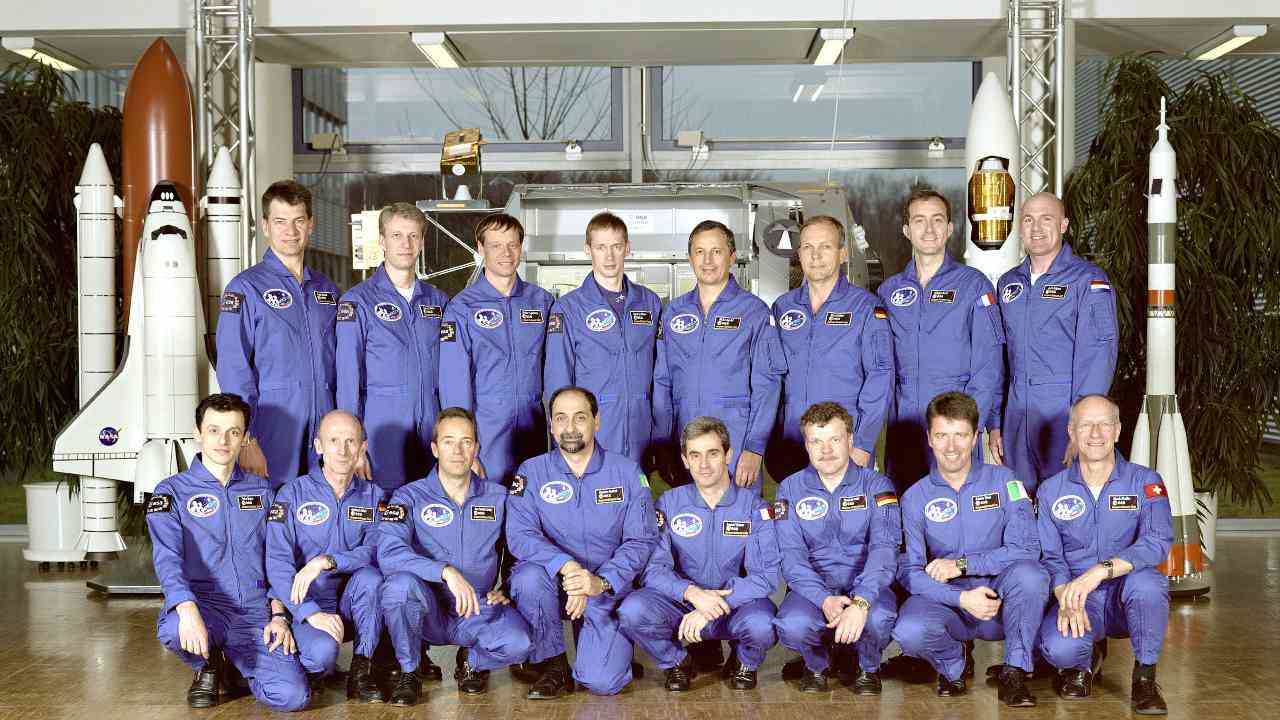
ESA's astronaut corps. Image credit: ESA[/caption]Only 65 of the more than 560 people who have ever gone into space have been women. Of those 65 women, 51 were American. ESA has sent only two women into space — Claudie Haigneré and Samantha Cristoforetti — and is now trying to redress the imbalance.The agency also said the “time has come” to put disabled people into space as part of an initiative called the Parastronaut Feasibility Project. According to ESA, it’s the first time that a space agency anywhere has opened the application process up to people with disabilities.“Representing all parts of our society is a concern that we take very seriously,” David Parker, the agency’s director of human and robotic exploration, said. “Diversity at ESA should not only address the origin, age, background or gender of our astronauts, but also perhaps physical disabilities.”The agency said that, based on categories set by the International Paralympic Committee, it will initially consider applications from individuals with lower limb deficiency below the knee or ankle, extreme differences in leg length, or below 130 centimetres in height.British astronaut Tim Peake welcomed the initiative, saying it “will hopefully change the landscape” so people from diverse backgrounds “will see that actually there is an opportunity here to become part of Europe’s new space pioneers.”The application process, agency officials say, will take some 18 months before a handful of astronauts are selected.

Careless Whispers: Scientists discover that plants can 'talk' to each other using smells
Life on Mars? European Space Agency’s Orbiter discovers ice water deposits at equator
Microsoft briefly overtakes Apple as the most valuable company, Apple back on top again
Even NASA is facing a tough time, starts layoffs following major budget cuts
ISRO, NASA's NISAR satellite to get ready by Jan-end, will monitor Earth's snow-covered regions