


Eat less meat, protect forests are some ways people can deal with global heating
The study looks at the impacts of a hotter planet & examines how human activities affect temperatures.


Land and resources underpinning food supplies are “under immense strain”[/caption]Beatriz Luraschi, international policy officer with Britain’s RSPB nature conservation charity, said globally there was a good understanding of how to switch energy systems to tackle climate change, but knowledge and policy on greener land use was lagging.Converting forests into land for crops and grazing, as well as plantations to produce commodities like palm oil, is “a really significant driver of climate change”, accounting for 15-20 percent of global emissions, she noted.Meanwhile, land and resources underpinning food supplies are “under immense strain” from rising temperatures, she added.The IPCC report is expected to underline how crop yields in dry areas would fall with more severe droughts and water stress, raising pressure on people to migrate and boosting food prices and the risk of hunger.“A really big part of the challenge is to raise this up the political agenda,” Luraschi said. Decision-makers needed to grasp that at least a third of solutions to climate change could come from better-planned use of land, she said.
[caption id="attachment_7123031" align="alignnone" width="1280"]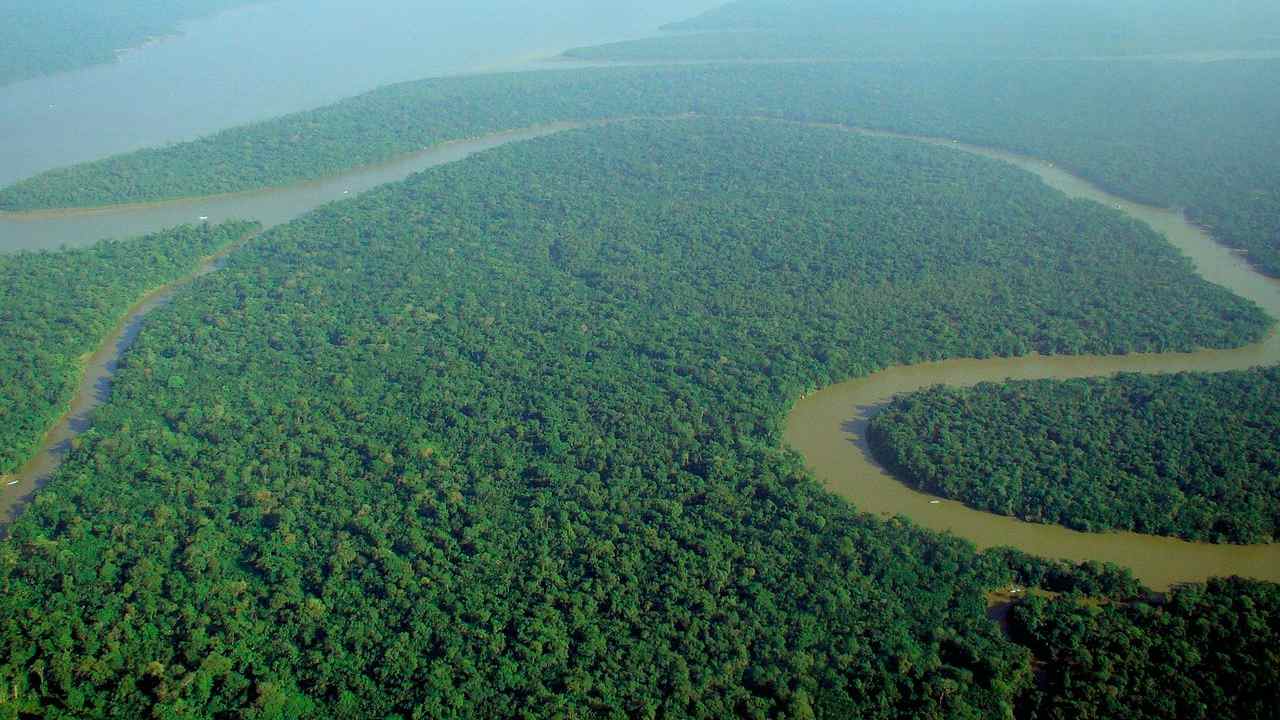
Deforestation rates in the Amazon had increased “dangerously” in the past three years. image credit: Wikimedia Commons/ Lubasi[/caption]
AMAZON UNDER THREAT
Teresa Anderson, the climate policy coordinator for development charity ActionAid International, told the Thomson Reuters Foundation the report should back eco-friendly farming methods, such as avoiding chemical fertilisers and keeping soils healthy.“We really need governments to... recognise the importance of agro-ecology in ensuring long-term food security and start shifting their policies to reflect that - for example by moving away from subsidies for fertilisers,” she said.Failing to use land sustainably is likely to be costly and make it harder to keep global warming to agreed limits of “well below” 2 degrees Celsius (3.6F) and ideally to 1.5C above pre-industrial times, the report is expected to say.Carlos Nobre, a senior scientist at the University of Sao Paulo, said deforestation rates in the Amazon had increased “dangerously” in the past three years, especially in the last 12 months.If that vital tropical ecosystem reaches a tipping point — which may be closer than realised — the region would heat up considerably, biodiversity would be harmed, and the world’s ability to stick to its warming goals would be jeopardised, he warned.In recent weeks, a major row has erupted in Brazil after right-wing President Jair Bolsonaro forced out the head of the country’s space research institute over data it produced showing a sharp rise in deforestation in the past two months.Nobre said many politicians in Latin America failed to appreciate the economic value of the benefits offered by tropical forests, from cooling and rainfall production to popular ‘superfood’ acai berries. “They only see the Amazon, the tropical forests, as a place to extract primary goods, (like) minerals,” he said. “We need politicians with a more comprehensive vision of the real potential of tropical forests,” he added.
Careless Whispers: Scientists discover that plants can 'talk' to each other using smells
Life on Mars? European Space Agency’s Orbiter discovers ice water deposits at equator
Microsoft briefly overtakes Apple as the most valuable company, Apple back on top again
Even NASA is facing a tough time, starts layoffs following major budget cuts
ISRO, NASA's NISAR satellite to get ready by Jan-end, will monitor Earth's snow-covered regions