


Earth has lost 28 trillion tonnes of ice between the years 1994 and 2017: study
The rate of loss has risen from 0.8 trillion tonnes per year in the 1990s to 1.3 trillion tonnes per year by 2017.

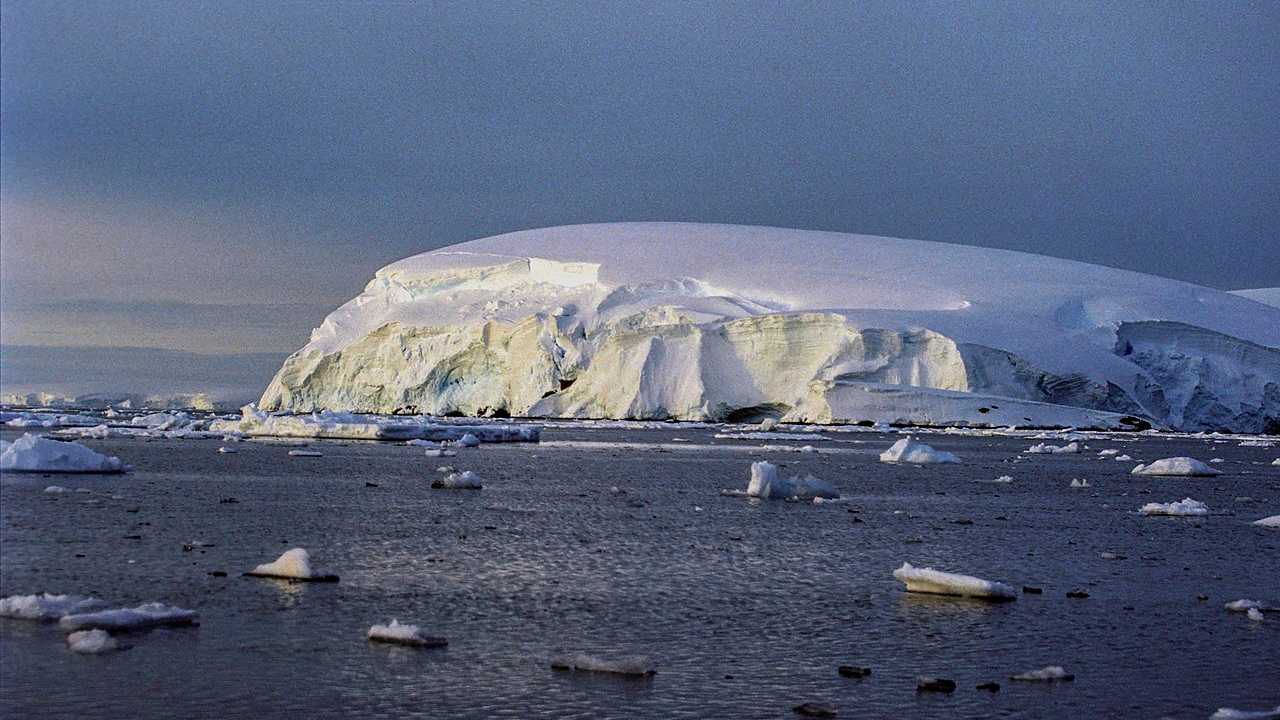
It surveyed 215,000 mountain glaciers around the globe, polar ice sheets in Greenland and Antarctica, ice shelves floating around Antarctica, and sea ice drifting in the Arctic and Southern Oceans. mage credit: Wikipedia[/caption]"The ice sheets are now following the worst-case climate warming scenarios set out by the Intergovernmental Panel on Climate Change (IPCC)," said Dr Thomas Slater, a research fellow at Leeds' Centre for Polar Observation and Modelling."Sea level rise on this scale will have very serious impacts on coastal communities this century."Input from United Nations' IPCC has been critical to forming international climate change strategies, including the 2015 Paris Agreement under which the majority of greenhouse gas emitting nations agreed to mitigate the impact of global warming.The universities' research, published Monday in the European Geosciences Union's journal The Cryosphere, was the first of its kind to use satellite data.It surveyed 215,000 mountain glaciers around the globe, polar ice sheets in Greenland and Antarctica, ice shelves floating around Antarctica, and sea ice drifting in the Arctic and Southern Oceans.The survey found the largest losses in the last three decades were from Arctic Sea ice and Antarctic ice shelves, both of which float on the polar oceans.While such ice loss does not directly contribute to sea rises, its destruction does stop the ice sheets reflecting solar radiation and thus indirectly contributes to rising sea levels."As the sea ice shrinks, more solar energy is being absorbed by the oceans and atmosphere, causing the Arctic to warm faster than anywhere else on the planet," Dr Isobel Lawrence said."Not only is this speeding up sea ice melt, it's also exacerbating the melting of glaciers and ice sheets which causes sea levels to rise," she added.

Careless Whispers: Scientists discover that plants can 'talk' to each other using smells
Life on Mars? European Space Agency’s Orbiter discovers ice water deposits at equator
Microsoft briefly overtakes Apple as the most valuable company, Apple back on top again
Even NASA is facing a tough time, starts layoffs following major budget cuts
ISRO, NASA's NISAR satellite to get ready by Jan-end, will monitor Earth's snow-covered regions