


Droughts in India were caused by atmospheric disturbances in the North Atlantic ocean
The IISc study said that these droughts were a consequence of a sudden and steep drop in rainfall in late August.

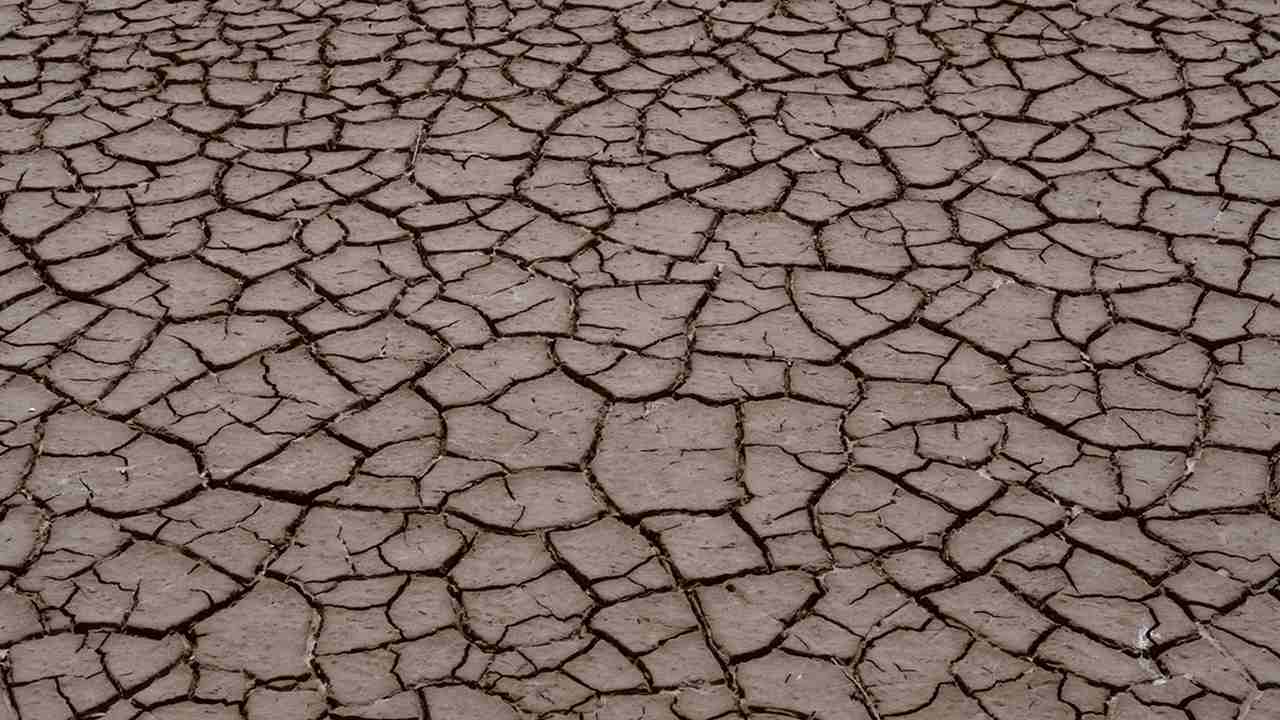
The research team looked closely at daily rainfall during both El Nio and non-El Nio drought years, and noticed stark differences in their patterns between June and September. Representational Image[/caption]But 10 out of 23 droughts that India faced in the past century have occurred during years when El Nio was absent.What, then, could have caused these droughts?The IISc study said that these droughts were a consequence of a sudden and steep drop in rainfall in late August.This drop was linked to an atmospheric disturbance in the midlatitude region over the North Atlantic Ocean, creating a pattern of atmospheric currents that swoop in over the subcontinent and "derail" the monsoon, Bengaluru-based IISc said."As early as the 1980s, people have looked at these droughts individually. But they have not collated and pooled them together, and deduced that these droughts may all have a different type of evolution than El Nio droughts, as well as a common cause, which is this midlatitude influence," V Venugopal, Associate Professor at CAOS and one of the senior authors of the paper, was quoted as saying in an IISc statement.The research team looked closely at daily rainfall during both El Nio and non-El Nio drought years, and noticed stark differences in their patterns between June and September, the statement said.The droughts that happen during an El Nio year follow a standard pattern. The rainfall deficit - a departure from a long-term average - sets in early around mid-June and becomes progressively worse. By mid-August, the deficit spreads across the country and there is no going back from a drought, it said.Surprisingly, the droughts during the non-El Nio years, when analysed together, also seemed to follow a common pattern, the study noted.First, there was a moderate slump in June. Then, during mid-July to mid-August - the peak of the season - the monsoon showed signs of recovery and the rainfall amount increased. However, around the third week of August, there was a sudden steep decline in rainfall, which resulted in drought conditions, it found."The question was: Why does the break occur this late in August? said Jai Sukhatme, Associate Professor at CAOS and another author. "We tried to see if we could trace it back to a forcing agent or system that influences the behaviour over India. We looked at the winds that were prevalent in these non-El Nio drought years."That was when the researchers noticed an unusual atmospheric disturbance in the midlatitudes. It emerged from winds in the upper atmosphere interacting with a deep cyclonic circulation above abnormally cold North Atlantic waters.The resulting wave of air currents, called a Rossby wave, curved down from the North Atlantic - squeezed in by the Tibetan plateau - and hit the Indian subcontinent around mid- August, suppressing rainfall and throwing off the monsoon that was trying to recover from the June slump.The wave's usual course is to go from west to east, but not towards the equator, explains Sukhatme. "This inward curving was the peculiar thing that we noticed during these particular years."The findings underscore the importance of also considering influences on the Indian monsoon from outside the tropics, which current forecast models focus heavily on."The Indian Ocean and Pacific Ocean seem to be at the forefront of all discussions surrounding Indian monsoon droughts," said Venugopal. "It is perhaps time to focus just as much on midlatitude influences, which might aid in getting a better handle on enhanced predictability of monsoon variability."

Careless Whispers: Scientists discover that plants can 'talk' to each other using smells
Life on Mars? European Space Agency’s Orbiter discovers ice water deposits at equator
Microsoft briefly overtakes Apple as the most valuable company, Apple back on top again
Even NASA is facing a tough time, starts layoffs following major budget cuts
ISRO, NASA's NISAR satellite to get ready by Jan-end, will monitor Earth's snow-covered regions