


Depression, stress dampen the efficacy of immune system, COVID-19 vaccines, study finds
Many COVID-19 vaccines already in circulation are up to 95 percent effective, provided other conditions including mental health are met.

Depression, stress and loneliness can weaken the body's immune system, and lower the effectiveness of certain vaccines, including the new COVID-19 preventives that are in development and the early stages of global distribution, scientists say. According to a report accepted for publication in the journal Perspectives on Psychological Science, simple interventions, including exercise and getting a good night's sleep in the 24 hours before vaccination, may maximise the vaccine's initial effectiveness. The researchers noted that even though rigorous testing has shown that the COVID-19 vaccines approved for distribution in the US are highly effective at producing a robust immune response, not everyone will immediately gain their full benefit.Environmental factors, as well as an individual's genetics and physical and mental health, can weaken the body's immune system, slowing the response to a vaccine, they said."In addition to the physical toll of COVID-19, the pandemic has an equally troubling mental health component, causing anxiety and depression, among many other related problems," said Annelise Madison, a researcher at The Ohio State University in the US."Emotional stressors like these can affect a person's immune system, impairing their ability to ward off infections," said Madison, lead author on the paper.The report sheds light on vaccine efficacy and how health behaviours and emotional stressors can alter the body's ability to develop an immune response.[caption id="attachment_9204601" align="alignnone" width="1280"]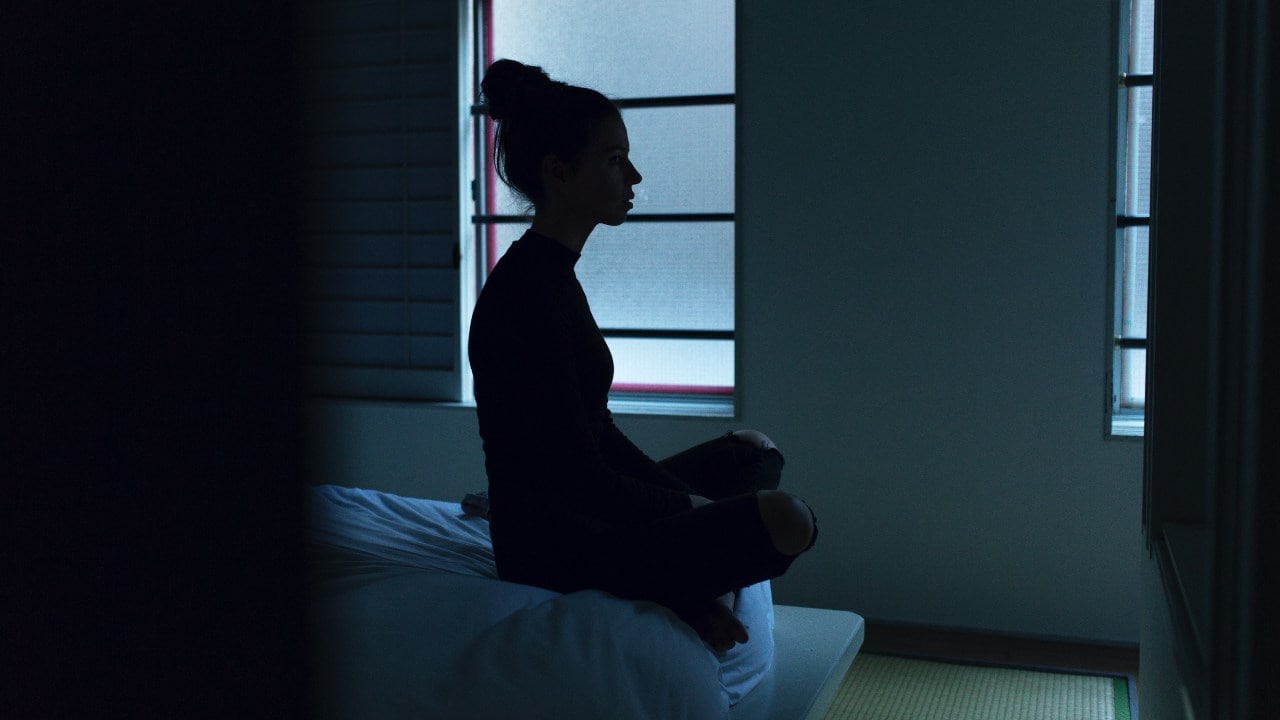 As mental health affects immunity, it will likely also affect how well people's bodies respond to the vaccine. Image: Ben Blennerhassett/Unsplash[/caption]Vaccines work by challenging the immune system. Within hours of a vaccination, there is an innate, general immune response on the cellular level as the body begins to recognise a potential biological threat.This frontline response by the immune system is eventually aided by the production of antibodies, which target specific pathogens.It is the continued production of antibodies that helps to determine how effective a vaccine is at conferring long-term protection."In our research, we focus most heavily on the antibody response, though it is just one facet of the adaptive immune system's response," said Janice Kiecolt-Glaser, director of the Institute for Behavioral Medicine Research at The Ohio State University, and senior author on the paper.According to the researchers, most COVID-19 vaccines already in circulation are approximately 95 per cent effective. However, psychological and behavioural factors can lengthen the amount of time it takes to develop immunity, and can shorten the duration of immunity, they said."The thing that excites me is that some of these factors are modifiable. It's possible to do some simple things to maximise the vaccine's initial effectiveness," said Kiecolt-Glaser.The researchers suggest that, based on prior research, one strategy is to engage in vigorous exercise and get a good night's sleep in the 24 hours before vaccination so that the immune system is operating at peak performance.This may help ensure that the best and strongest immune response happens as quickly as possible, they said."Prior research suggests that psychological and behavioural interventions can improve vaccine responsiveness. Even shorter-term interventions can be effective," said Madison.

Careless Whispers: Scientists discover that plants can 'talk' to each other using smells
Life on Mars? European Space Agency’s Orbiter discovers ice water deposits at equator
Microsoft briefly overtakes Apple as the most valuable company, Apple back on top again
Even NASA is facing a tough time, starts layoffs following major budget cuts
ISRO, NASA's NISAR satellite to get ready by Jan-end, will monitor Earth's snow-covered regions