


Declining levels of depleting chemicals prevent ozone hole from becoming larger
According to NASA, the annual ozone hole reached an average area coverage of 22.9 square km in 2018.

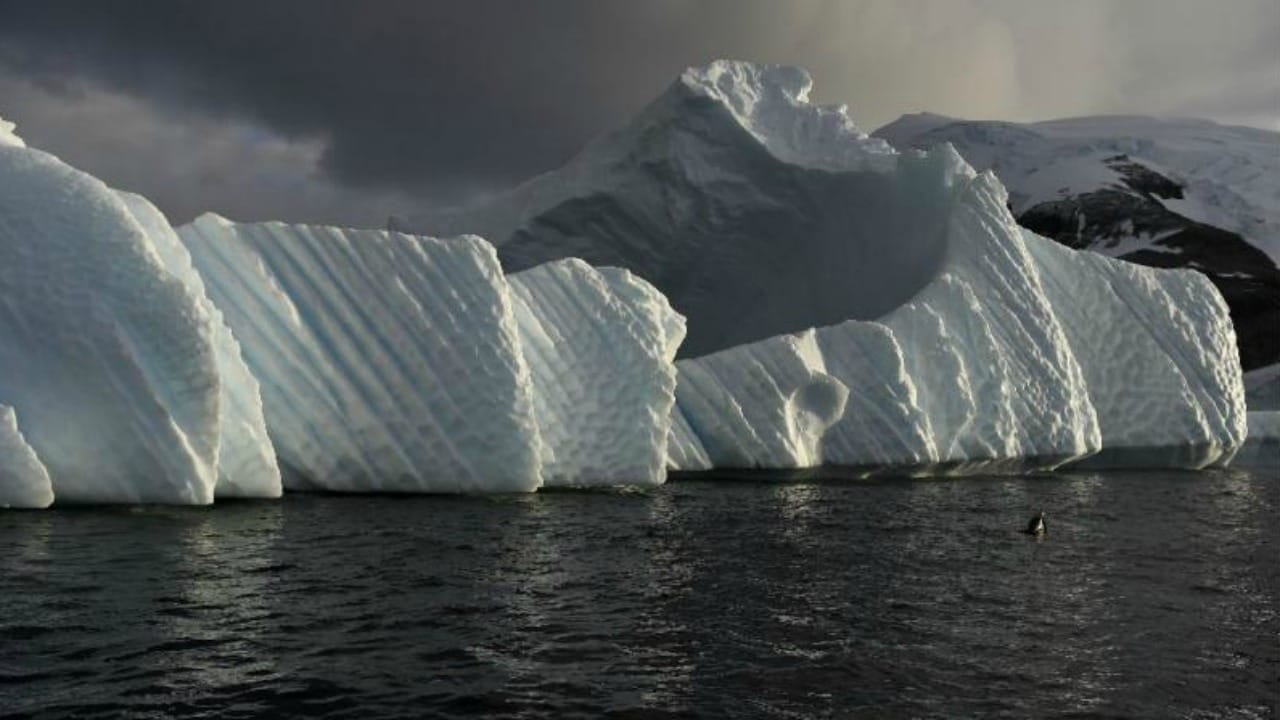
Representational image. AFP.[/caption]According to NASA, the annual ozone hole reached an average area coverage of 22.9 square km in 2018.NOAA scientists said colder temperatures in 2018 allowed for the near-complete elimination of ozone in a deep, 5 km layer over the South Pole. This layer is where the active chemical depletion of ozone occurs on polar stratospheric clouds."Even with this year's optimum conditions, ozone loss was less severe in the upper altitude layers, which is what we would expect given the declining chlorine concentrations we're seeing in the stratosphere," added NOAA scientist Bryan Johnson.Nations of the world began phasing out the use of ozone-depleting substances in 1987 under an international treaty known as the Montreal Protocol.The 2018 ozone hole was strongly influenced by a stable and cold Antarctic vortex — the stratospheric low-pressure system that flows clockwise in the atmosphere above Antarctica.In 2016 and 2017, warmer temperatures in September limited the formation of polar stratospheric clouds and slowed the ozone hole's growth. In 2017, the ozone hole reached a size of 19.7 square km before starting to recover.In 2016, the hole grew to 20.7 square km.However, the current ozone hole area is still large compared to the 1980s, when the depletion of the ozone layer above Antarctica was first detected. Atmospheric levels of man-made ozone-depleting substances increased up to the year 2000.Since then, they have slowly declined but remain high enough to produce significant ozone loss.

Careless Whispers: Scientists discover that plants can 'talk' to each other using smells
Life on Mars? European Space Agency’s Orbiter discovers ice water deposits at equator
Microsoft briefly overtakes Apple as the most valuable company, Apple back on top again
Even NASA is facing a tough time, starts layoffs following major budget cuts
ISRO, NASA's NISAR satellite to get ready by Jan-end, will monitor Earth's snow-covered regions