


Cremation ashes yield secrets about the possible builders of Stonehenge
For scientists trying to tease out data from burnt human remains, this opened up a gold mine.

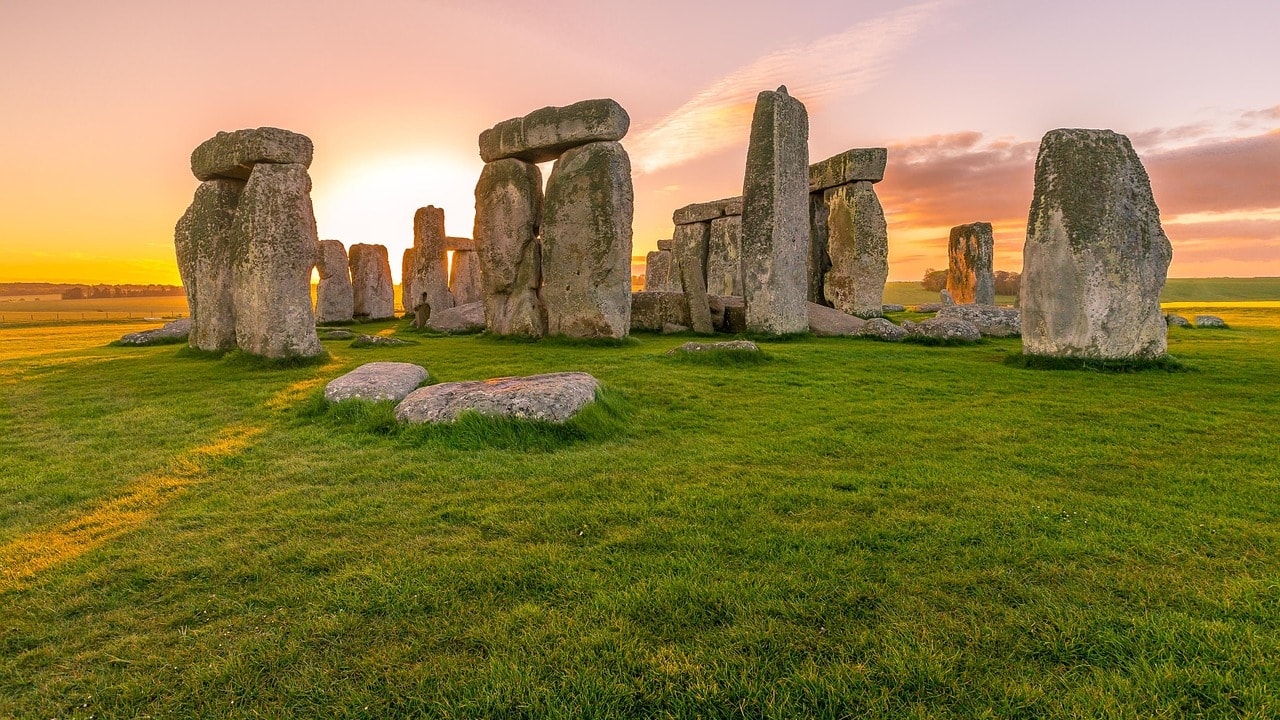
Representational image. Pixabay[/caption]"But all the inorganic matter survives, and there is a huge amount of information contained in the inorganic fraction of human remains," Snoeck explained.By measuring traces of strontium, he told AFP, "it is possible to evaluate the origin of the food we eat, especially the plants."From the forests of WalesPlants absorb strontium from the soil, and that strontium is then incorporated into our bones, reflecting the place where the plants grew.The researchers examined skull bone fragments from 25 people buried during an early phase of Stonehenge's history, around 3000 BC.Ten of them, they determined, had spent at least the last 10 years of their lives in a different region.Archeologists already knew that Stonehenge bluestone came from Wales, so when the strontium profile of these ten outsiders matched what is known of the region's flora, it seemed reasonable to assume they did as well.The scientists were also able to tell whether the wood used in funeral pyres was from the Wessex area around Stonehenge, or from trees typical of the forests in Wales.This enabled them to conclude that some of the people buried at the site had probably been cremated in western Britain before their ashes were transported.Archeologists who excavated the site in the early 1920s — before reburying the remains — reported that cremated matter had been deposited in organic containers such as leather bags, apparently brought from a distant place for internment.Much remains unknown about the pre-historic humans who erected Stonehenge, including the beliefs and rituals that animated their culture.But the new findings "suggest that people from the Preseli Mountains in West Wales not only supplied the bluestones used to build the stone circle, but moved with the stones and were buried there too," concluded John Pouncett, a co-author of the study and Spatial Technology Officer at Oxford's School or Archaeology.All told, there are between 150 and 240 cremation burials at Stonehenge, according to a recent study in the journal Antiquity.

Careless Whispers: Scientists discover that plants can 'talk' to each other using smells
Life on Mars? European Space Agency’s Orbiter discovers ice water deposits at equator
Microsoft briefly overtakes Apple as the most valuable company, Apple back on top again
Even NASA is facing a tough time, starts layoffs following major budget cuts
ISRO, NASA's NISAR satellite to get ready by Jan-end, will monitor Earth's snow-covered regions