


Climate change, shift in rainfall, temperature could impact crop production by 2030 finds NASA
Maize yields are expected to fall by around 24 percent, according to the data, while wheat production might rise by around 17 percent.

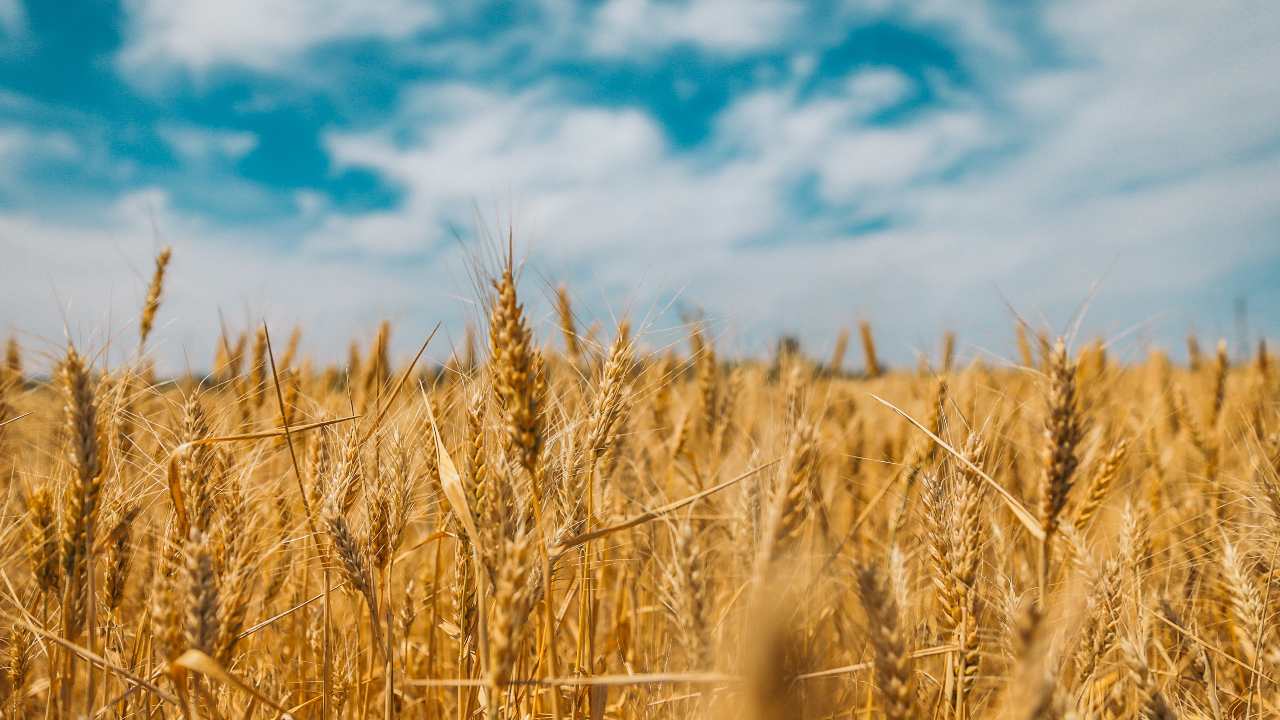
Rising global temperatures, heat waves affect crop growth and maturity along with rainfall patterns.[/caption]However, the growth of wheat might witness an elevation of around 17 percent in its production rate.The research team at NASA used two models in order to carry out the study and arrive at the result. The first model was the climate model simulations from the international Climate Model Intercomparison Project-Phase 6. The responses of CMIP6 models were recorded.The climate model was then used as an input for 12 state-of-the-art global crop models which were part of the Agricultural ModelIntercomparison and Improvement Project (AgMIP). The behaviour of each crop species was studied. Scientists also used various combinations of crop models and climate combinations in order to derive results.The research team looked at the changes in the crops and the effect of the climate on the crop yield. It was found that soybean and rice showed a decline in some regions but the overall decline was still not discernible. However, for maize and wheat, the climate effect experiments pointed at the results much more decisively.Along with temperature, high levels of carbon dioxide also increase the process of photosynthesis and water retention in crops. Wheat showed a positive effect on the growth of carbon dioxide in the atmosphere.However, rising global temperatures, heat waves also affect crop growth and maturity.Crop modeller and climate scientist at NASA’s Goddard Institute for Space Studies (GISS), Jonas Jagermeyr stated that a 20 percent decrease in the production of maize could have severe consequences and could impact the world.While higher temperature can affect the length of growth and accelerate crop maturity, scientists say that it rushes the growth stages of the crop and hence, by the end of the season, the plant will produce less total grain because it does not have enough energy. A faster growth decreases the crop yield and if the global temperatures keep rising, its interconnectedness with the food system will impact everyone on Earth.

Careless Whispers: Scientists discover that plants can 'talk' to each other using smells
Life on Mars? European Space Agency’s Orbiter discovers ice water deposits at equator
Microsoft briefly overtakes Apple as the most valuable company, Apple back on top again
Even NASA is facing a tough time, starts layoffs following major budget cuts
ISRO, NASA's NISAR satellite to get ready by Jan-end, will monitor Earth's snow-covered regions