


China tests three types of hypersonic aircraft missiles at the same time
The 'wide-speed-range vehicles' can fly from hypersonic velocity to lower than the speed of sound.

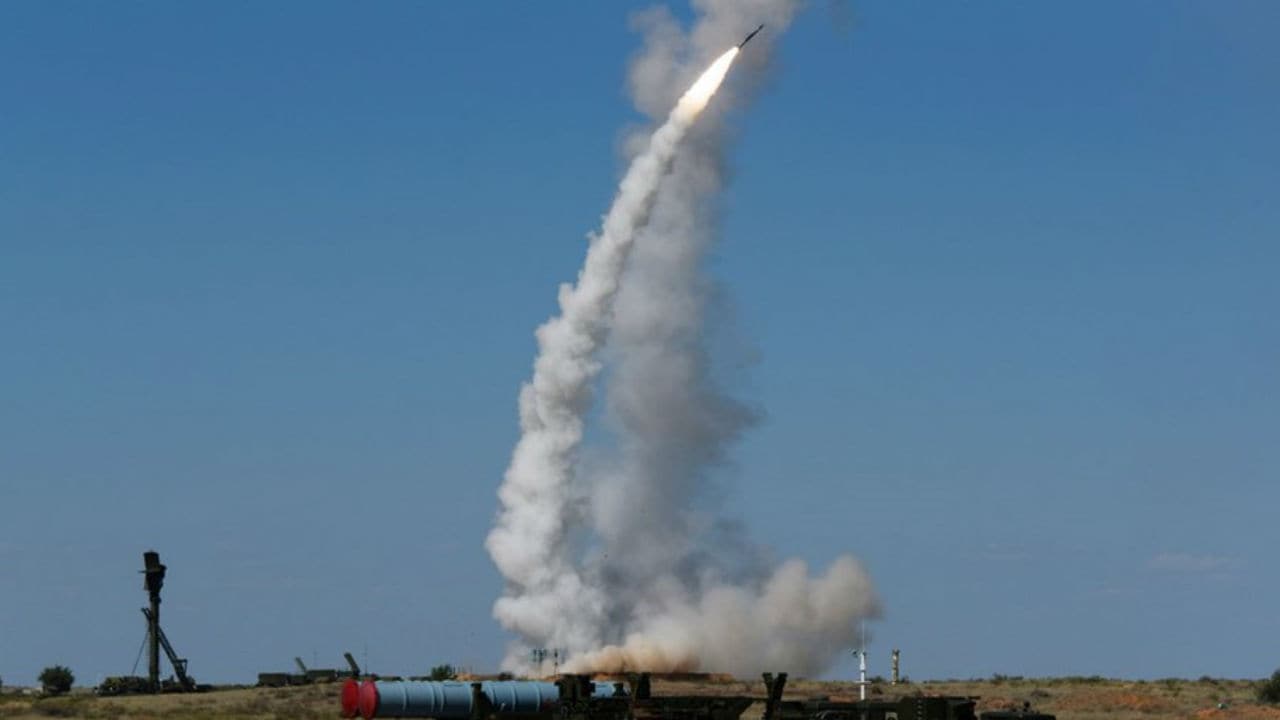
Representational image.[/caption]This was China's first test of this type of hypersonic aircraft, whose speed will be adjustable, meaning its scientists are working on another major aim, precision strike, towards an unstoppable nuclear-capable weapon, the South China Morning Post said.Last month, Chinese scientists conducted their first experimental flight of a hypersonic glider named Starry Sky 2 that was launched by a rocket and then flew on its own shockwave at Mach 6 (six times the speed of sound or 7,344km/h).Once fully developed, its sheer speed would be capable of penetrating any anti-missile defence system currently available.The wide-speed-range aircraft, meanwhile, will have additional capability to slow down and fly in a stable mode at a lower velocity, which allows it in the terminal stage to aim, adjust trajectory and position and strike targets more precisely, according to military observers."Their technologies can be inter-complementary," said military commentator Song Zhongping, based in Hong Kong. "They can be combined together and make a hypersonic missile."Researchers measured the respective aerodynamic features of three different design shapes and recorded their processes of falling, accelerating, breaking the sonic barrier, aerodynamic rebound, parachute opening, landing and retrieving while collecting data, CCTV said.Song said it was to compare and choose from the three designs. There will be further wind tunnel tests with larger or real-size models before finalising the aerodynamic configuration of the vehicle.

Careless Whispers: Scientists discover that plants can 'talk' to each other using smells
Life on Mars? European Space Agency’s Orbiter discovers ice water deposits at equator
Microsoft briefly overtakes Apple as the most valuable company, Apple back on top again
Even NASA is facing a tough time, starts layoffs following major budget cuts
ISRO, NASA's NISAR satellite to get ready by Jan-end, will monitor Earth's snow-covered regions