


Chandrayaan-2 rover, lander may have partially survived landing, says engineer who discovered Vikram lander debris
Subramanian said he was seeking an explanation of how the rover may have moved, and for ISRO's validation of his findings.

 Vikram lander's ejecta as seen be LRO's camera. Image: NASA[/caption]Based on his own investigation, Subramanian proposed that the rover’s movement in the images could be explained by a one-way lapse in communication between the lander and ground stations. While ISRO was unable to communicate with the lander even before its planned soft-landing, the lander may have relayed some of the many commands that ISRO was pinging to test communications and prompt a response from the lander-rover duo after its crash.If this was how events unfolded, ISRO may not have known that the communication was successful, Subramanian suggests.NASA has also shared that except for some regions, the South Pole is not bathed in sunlight throughout the year. This is because of the Moon’s tilt, and similar to the pattern of sunlight in the Earth's south pole, which leaves the poles either lit well or poorly for months at a time.This, along with the long shadows cast by structures in the lunar South Pole, are likely why NASA wasn't able to spot the lander debris in the LRO's 17 September and 18 November images, the space agency had said. Subramanian, however, claims the debris is clearly visible in LRO images from 4 January and 14 March 2020.Also read: How NASA's LRO found ISRO's Vikram lander with assistance from Chennai engineer[caption id="attachment_7306991" align="alignnone" width="1280"]
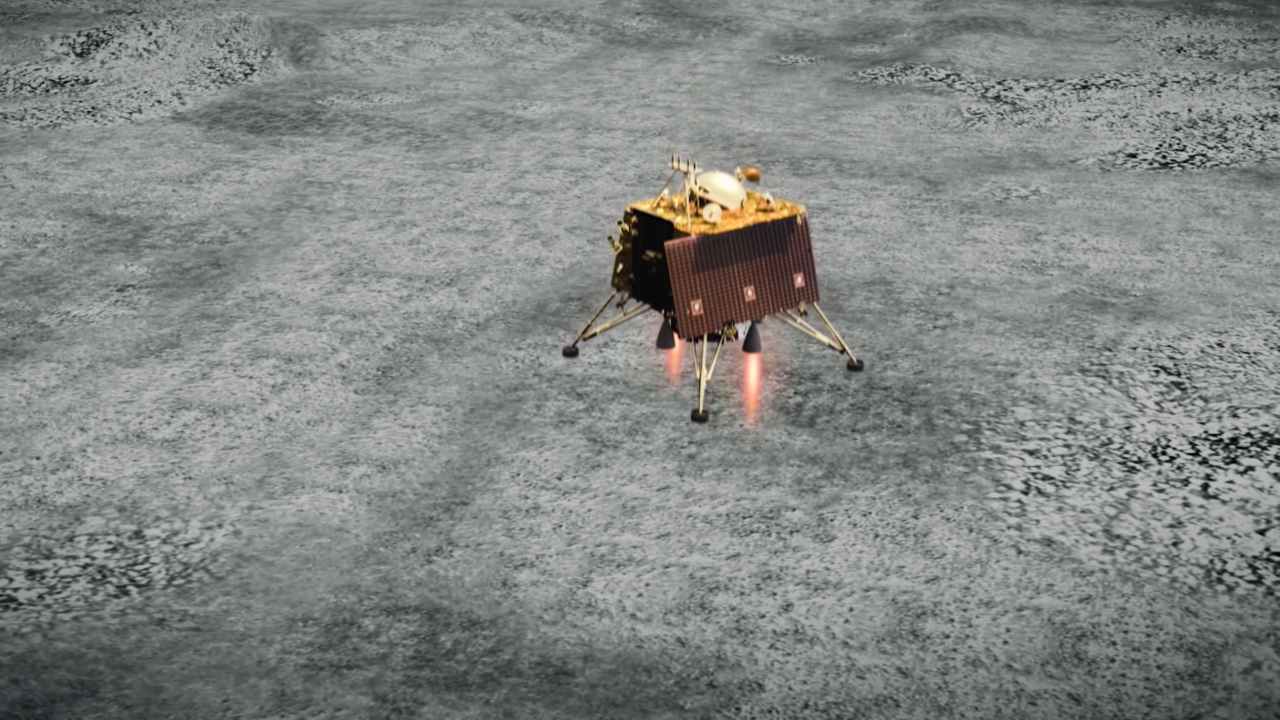 An illustration of Chandrayaan 2's lander Vikram. Image: ISRO[/caption]
ISRO's post-crash investigation
ISRO had said soon after the fateful hard-landing on 7 September, that ground stations had lost communication with Vikram (and the rover Praygan tucked inside it), minutes before its planned touchdown on the lunar surface.Since then, ISRO claimed to have been making "all possible efforts" to establish a link with the lander, but said it had temporarily suspended those operations by end of September after nightfall descended on the landing site."Now it's not possible [since] it's night time at our landing site...power may not be there", K Sivan told PTI on 1 October 2019. "We will make efforts afterwards [during day-time on lunar surface] also."ISRO had constituted a national level committee consisting of academics and agency experts to analyse the cause of the communication loss with the lander."The committee is seriously working on that, and their report will be available soon. I don't think it will take more than a month", the official said.In November 2019, ISRO spokesperson Vivek Singh said in an interview that the report's findings will be revealed in Parliament and likely not disclosed to the general public.“As of now, the report is unlikely to be made public, but the findings will come out in Parliament. I cannot say anything else apart from what is given in writing," Singh said, according to a Hindustan Times report.However, in a written update to the Parliament about the Chandrayaan-2 mission on 20 November, minister of state for the Department of Space Jitendra Singh, said that the Vikram lander had "hard landed" on the moon after a problem with its braking thrusters. This was the last official update from ISRO on the landing.

Careless Whispers: Scientists discover that plants can 'talk' to each other using smells
Life on Mars? European Space Agency’s Orbiter discovers ice water deposits at equator
Microsoft briefly overtakes Apple as the most valuable company, Apple back on top again
Even NASA is facing a tough time, starts layoffs following major budget cuts
ISRO, NASA's NISAR satellite to get ready by Jan-end, will monitor Earth's snow-covered regions