


Chandrayaan 2: ISRO wont give up trying to communicate with the crashed Vikram lander, says K.Sivan
However, some space experts believe regaining link with the lander now appears extremely difficult.

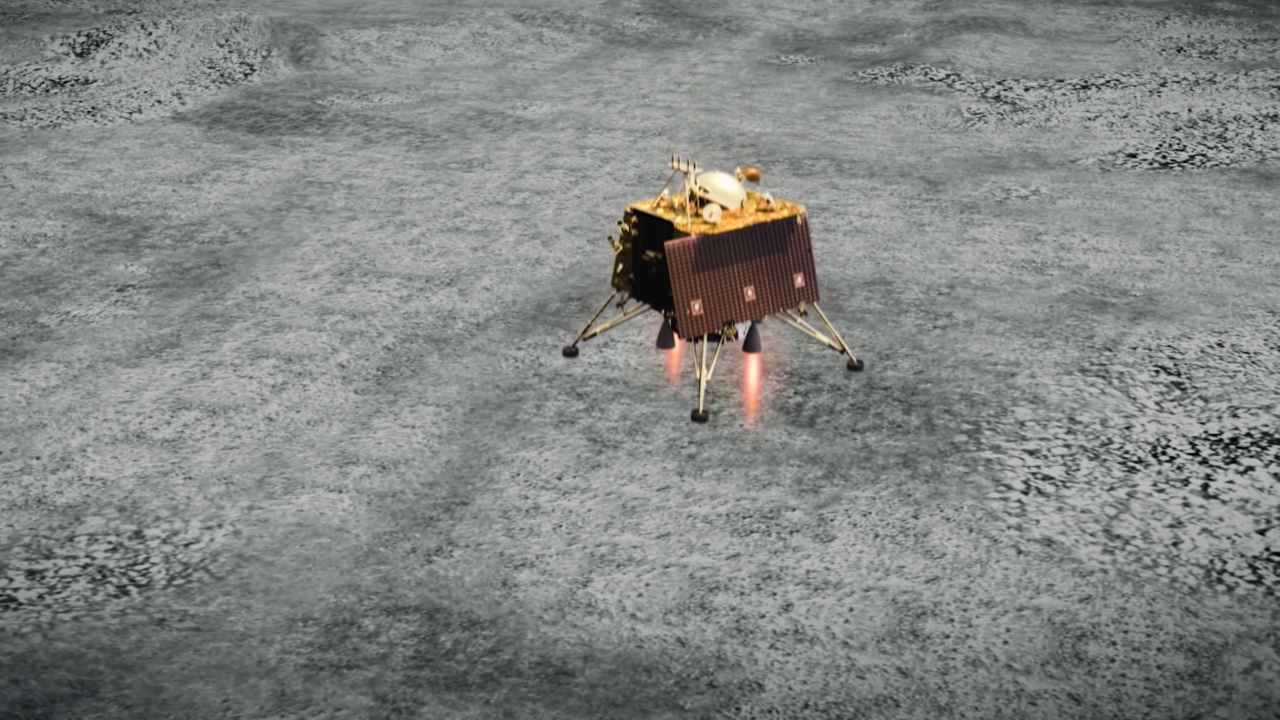
Illustration of Vikram lander. Image: ISRO.[/caption]"Now it's not possible, it's nighttime there. Maybe after this, probably we will start. It's night time at our landing site, power may not be there", the ISRO chairman K Sivan told PTI on Tuesday. "We will make efforts afterwards (during day-time on lunar surface) also," he said.
Complex Mission
The Chandrayaan-2 was a highly complex mission, which brought together an orbiter, lander and rover to explore the unexplored south pole of the Moon.The mission life of the lander and the rover will be one Lunar day which is equal to fourteen Earth days, ISRO had said prior to the launch.Some space experts believe regaining link with the lander now appears extremely difficult."I think finding link after so many days is going to be extremely difficult but there is nothing wrong in trying," an ISRO official said on condition of anonymity.Asked if the lander can withstand the severe cold conditions on the moon during night-time, this official said: "Not only cold, impact shock is something one has to worry about; the lander has come down at a high speed"."... the shock generated can damage many things inside, that way it's highly doubtful. Communication antenna which orientation... where it's looking... that way it's extremely difficult to establish contact", he said.
Orbiter Fine
Meanwhile, Sivan said the orbiter is fine. The ISRO said on 7 September the orbiter has already been placed in its intended orbit around the Moon and shall enrich our understanding of the moon's evolution and mapping of the minerals and water molecules in the Polar Regions, using its eight scientific instruments.[caption id="attachment_6953871" align="alignnone" width="1280"]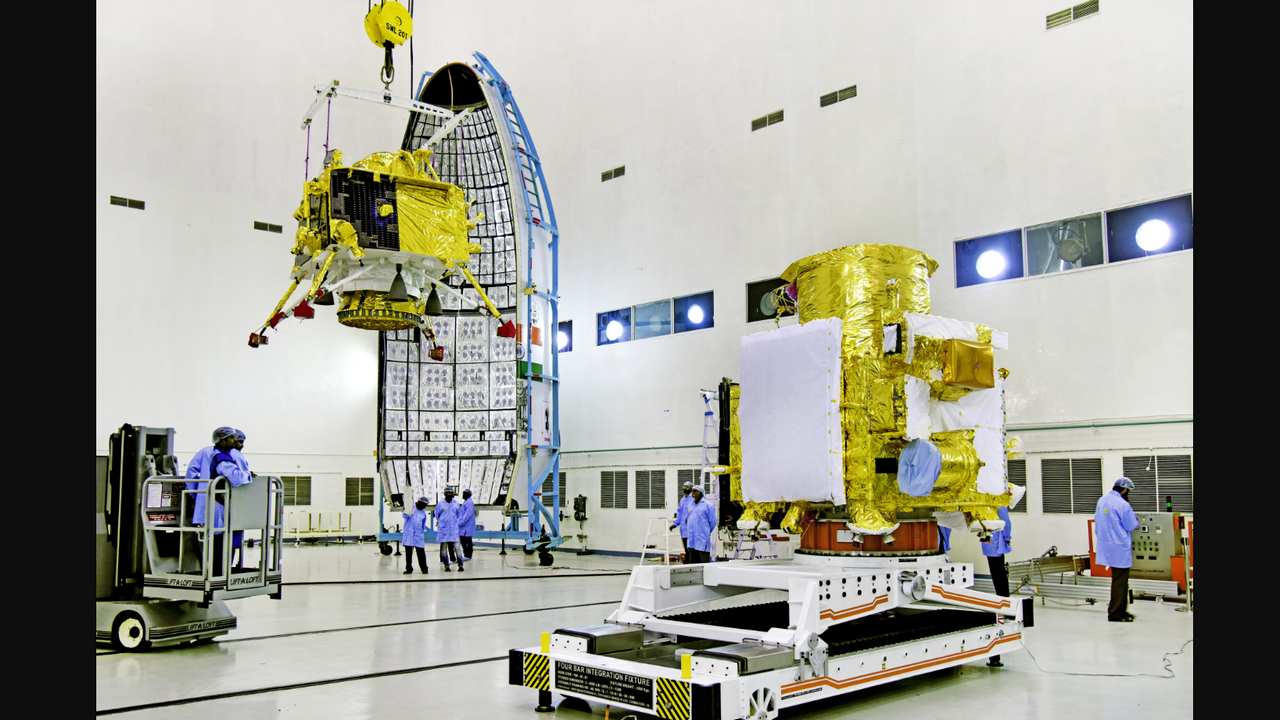
The lander and orbiter composite in the ISRO lab. image credit: Tech2[/caption]The orbiter camera is the highest resolution camera (0.3 metres) in any lunar mission so far and shall provide high-resolution images which will be immensely useful to the global scientific community, it had said."The precise launch and mission management has ensured a long life of almost seven years instead of the planned one year", the ISRO had said.The ISRO had constituted a national level committee consisting of academics and agency experts to analyse the cause of the communication loss with the lander."The committee is seriously working on that, and their report will be available soon. I don't think it will take more than a month", the official said.

Careless Whispers: Scientists discover that plants can 'talk' to each other using smells
Life on Mars? European Space Agency’s Orbiter discovers ice water deposits at equator
Microsoft briefly overtakes Apple as the most valuable company, Apple back on top again
Even NASA is facing a tough time, starts layoffs following major budget cuts
ISRO, NASA's NISAR satellite to get ready by Jan-end, will monitor Earth's snow-covered regions