


Certain bacteria can clump up, survive harsh conditions of space for many years, study suggests
Cell pellets of Deinococcus thicker than 0.5 mm can survive 15 to 45 years of UV radiation on the ISS, and 48 years in space, researchers said.

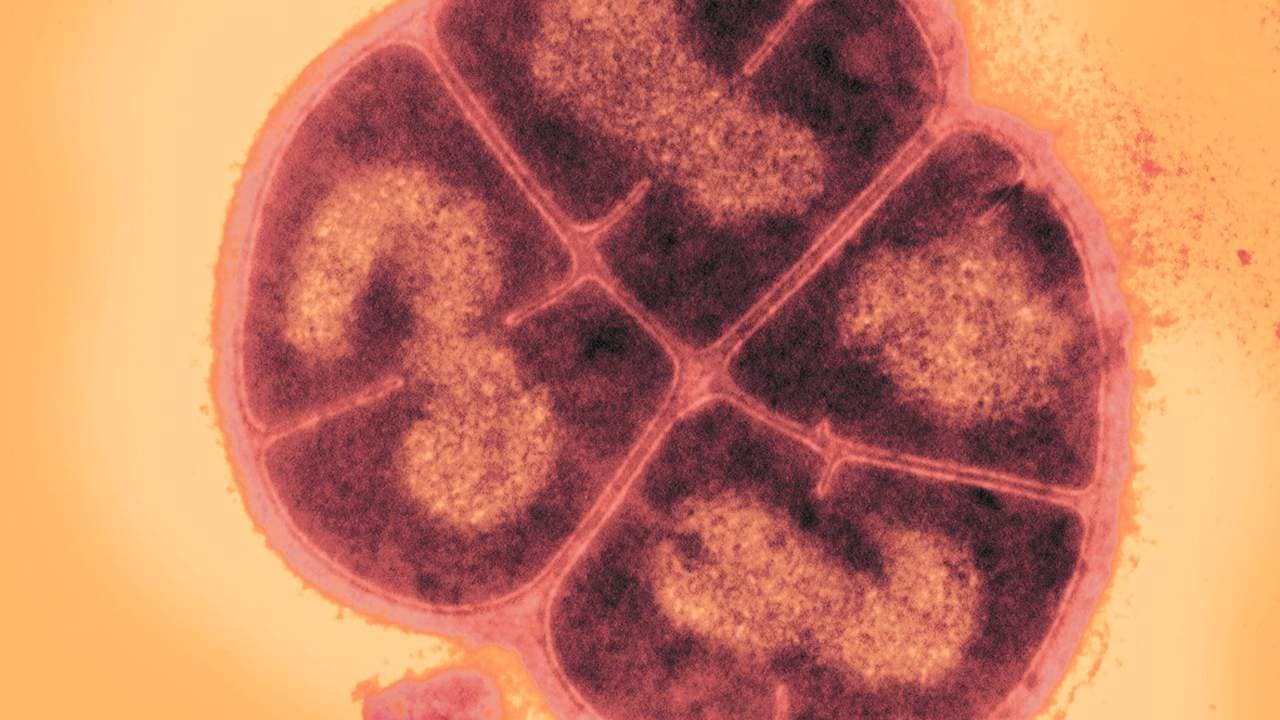
Deinococcus radiodurans. Image Credit: Micropia[/caption]For the mission, researchers prepared samples of the bacteria in pellets of various thicknesses and placed them in wells of aluminium plates, collecting data after one, two and three years. The bacteria were then tested to see how they fared.Study authors found that bacteria that were larger than 0.5 millimetres were able to survive partially, sustaining DNA damage. They saw that although bacteria on the surface of the colony died, a protective layer beneath it survived. As per study authors, collectively the results support the possibility of "microbial cell aggregates (pellets) as an ark for interplanetary transfer of microbes within several years."However, Deinococcus bacteria studied inside the space station did not fare so well – moisture and oxygen proved harmful to its survival.According to researchers, cell pellets with a thickness greater than 0.5 mm are expected to survive between 15 and 45 years of exposure to UV on ISS EF and 48 years exposure to space in the dark.As per researchers, "Deinococcal cell pellets in the sub-millimeter range would be sufficient to allow survival during an interplanetary journey from Earth to Mars or Mars to Earth."

Careless Whispers: Scientists discover that plants can 'talk' to each other using smells
Life on Mars? European Space Agency’s Orbiter discovers ice water deposits at equator
Microsoft briefly overtakes Apple as the most valuable company, Apple back on top again
Even NASA is facing a tough time, starts layoffs following major budget cuts
ISRO, NASA's NISAR satellite to get ready by Jan-end, will monitor Earth's snow-covered regions