


Century's longest lunar eclipse on 27 July: How is redness of the Moon measured
The appearance of the Moon during a total lunar eclipse can vary from one eclipse to the next.

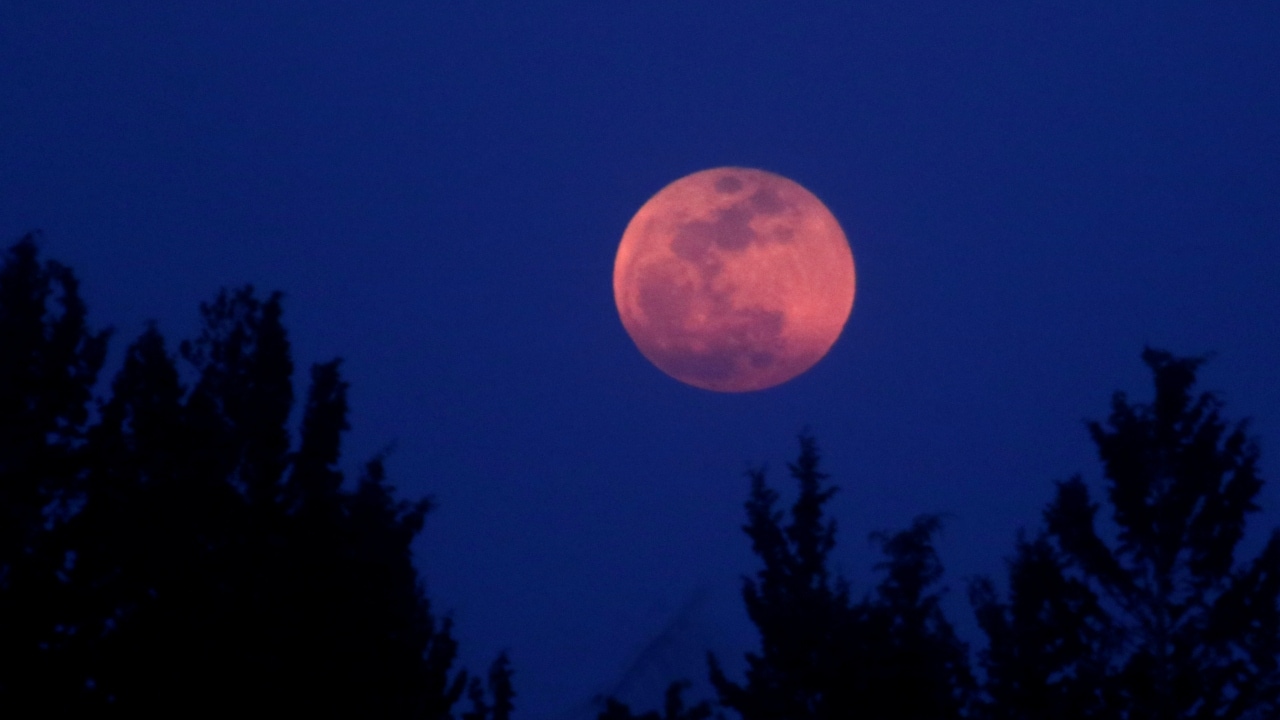
The 'Super Blue Blood Moon' on 31 January. Reuters[/caption]However, longer wavelengths (like yellows, oranges and reds), are refracted, or bent around the circumference of our planet and reach the Moon's surface while under Earth's shadow. This effect, which is known as Rayleigh scattering, gives the Moon its characteristic reddish-orange tinge during a lunar eclipse. Rayleigh scattering is the same phenomenon that explains the blue colour of the sky, and the red sunsets.How is redness measured?French astronomer A Danjon proposed a five-point scale to evaluate the visual appearance and brightness of the Moon during total lunar eclipses. Values for the letter 'L', which stands for various luminosities, are defined as follows:
- L = 0: Very dark eclipse Moon almost invisible, especially at mid-totality.
- L = 1: Dark eclipse, gray or brownish in colouration Details distinguishable only with difficulty.
- L = 2: Deep red or rust-colored eclipse Very dark central shadow, while outer edge of umbra is relatively bright.
- L = 3: Brick-red eclipse Umbral shadow usually has a bright or yellow rim.
- L = 4: Very bright copper-red or orange eclipse Umbral shadow has a bluish, very bright rim.

Careless Whispers: Scientists discover that plants can 'talk' to each other using smells
Life on Mars? European Space Agency’s Orbiter discovers ice water deposits at equator
Microsoft briefly overtakes Apple as the most valuable company, Apple back on top again
Even NASA is facing a tough time, starts layoffs following major budget cuts
ISRO, NASA's NISAR satellite to get ready by Jan-end, will monitor Earth's snow-covered regions