


Breakthrough in making hydrogen fuel from water offers hope of mass production
The study explores hydrogen peroxide, an oxidised form of water, as raw material for hydrogen fuel.

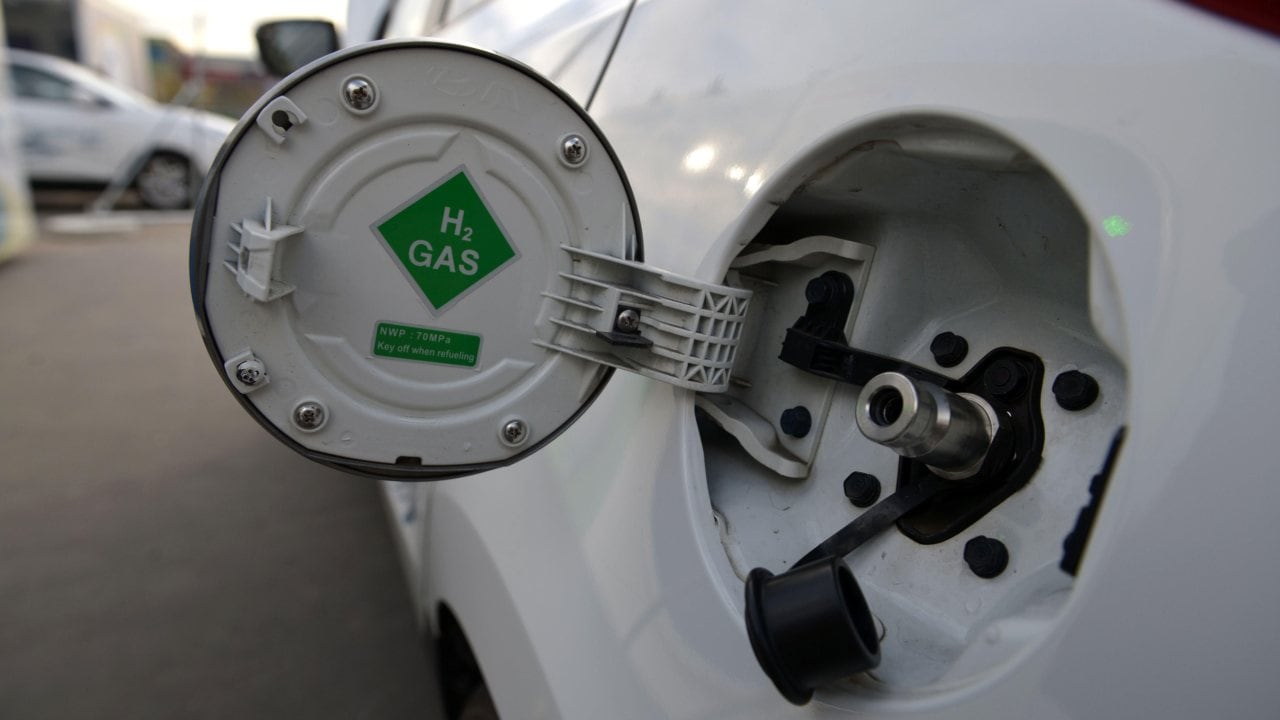
The key “missing link” uncovered in the study was splitting hydrogen peroxide (H2O2), an oxidised form of water, using iron oxide and photo-electrodes powered by solar energy.This, the researchers said, allows for an “ongoing, automatic conversion of water into hydrogen fuel” in ways that could be scaled up easily for mass-production."This discovery could have a significant impact on efforts to replace carbon-based fuels with more environmentally friendly hydrogen fuels," Dr Arik Yochelis, one of the study’s authors from the Ben-Gurion University of the Negev, said to the university press."Car manufacturers seek to develop hydrogen-powered vehicles that are considered efficient and environmentally friendly and unlike electric vehicles, allow for fast refuelling and extended mileage."The researchers credited part of their discovery to Professor Gerhard Ertl, who won the Nobel Prize for Chemistry in 2007 for early work on the photochemical reactions described in their study.The Nobel committee praised his work for the profound implications it could have in developing non-polluting fuel cells."Now, our discovery opens new strategies for photochemical processes," said Yochelis.

Careless Whispers: Scientists discover that plants can 'talk' to each other using smells
Life on Mars? European Space Agency’s Orbiter discovers ice water deposits at equator
Microsoft briefly overtakes Apple as the most valuable company, Apple back on top again
Even NASA is facing a tough time, starts layoffs following major budget cuts
ISRO, NASA's NISAR satellite to get ready by Jan-end, will monitor Earth's snow-covered regions