


Brain can regulate the body's pain levels of the body, amplifying or suppressing it
The protein kinase C-delta amplified pain, while neurons that express somatostatin suppressed the communication of pain.

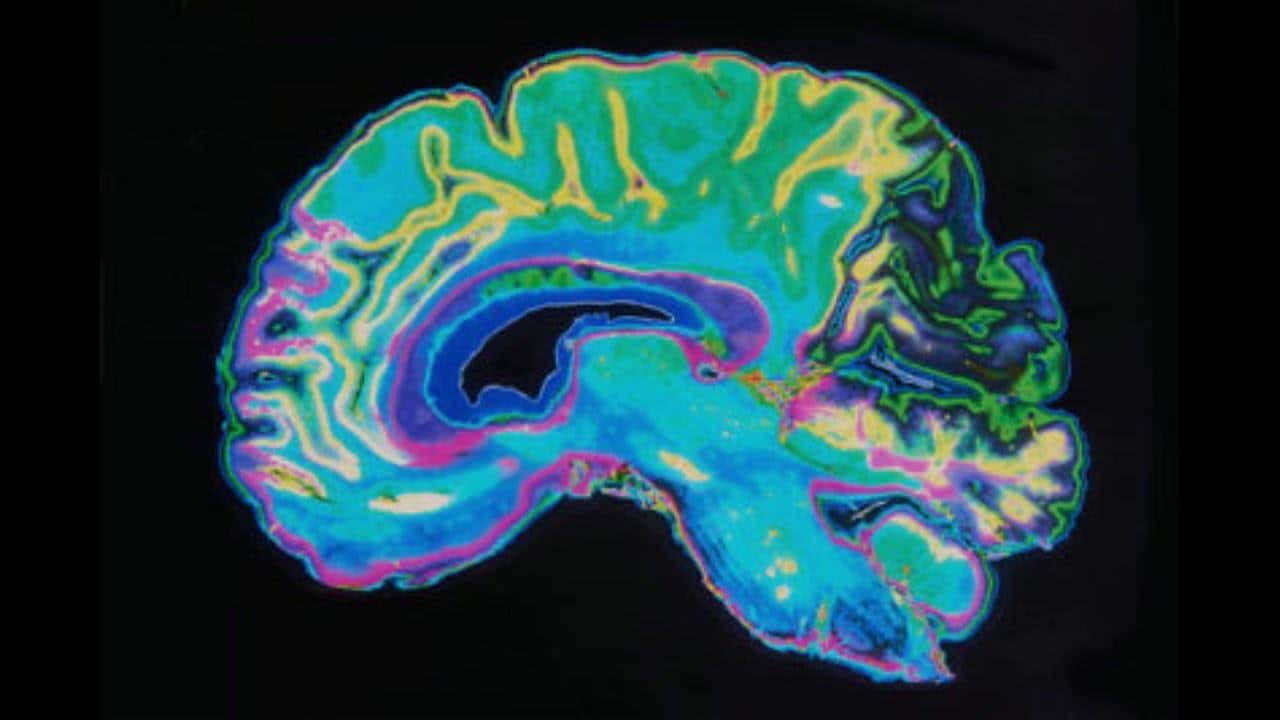
Many processes in the human brain remain a mystery to neuroscientists.[/caption]The central amygdala isn't completely responsible for pain itself: if it were removed entirely, then "the 'ouch' of things, or the protective pain, would remain intact," said Carrasquillo."It seems to be sitting there waiting for something to happen," for example responding to stress or anxiety that amplifies pain, or being forced to focus on a task that diverts your attention and reduces pain.Experiencing pain can be a vital warning to seek help, for example in a person experiencing appendicitis or a heart attack.People who are born with insensitivity to pain, meanwhile, often do not realize the severity of injuries and are at greater risk of early death.But not all pain is useful. According to a 2012 survey, about 11 percent of US adults have pain every day and more than 17 percent have severe levels of pain.Often this leads to dependence on potent painkillers like opioids, or attempting to self-medicate through counterfeit or illicit drugs which are increasingly laced with deadly fentanyl.By better understanding the brain mechanisms responsible for pain modulation, researchers hope to eventually find better cures: potentially ones that target only those forms of pain that are "bad" and not useful."The healthy response is you get pain, it tells you something is wrong, it heals, and the pain goes away," said Carrasquillo. "In chronic pain, that doesn't happen, the system gets stuck. If we can identify what makes the system gets stuck, then we can reverse it."

Careless Whispers: Scientists discover that plants can 'talk' to each other using smells
Life on Mars? European Space Agency’s Orbiter discovers ice water deposits at equator
Microsoft briefly overtakes Apple as the most valuable company, Apple back on top again
Even NASA is facing a tough time, starts layoffs following major budget cuts
ISRO, NASA's NISAR satellite to get ready by Jan-end, will monitor Earth's snow-covered regions