


Bones of herbivorous dinosaur show it lived with malignant cancer, only to die in a flood
The bone of the dinosaur was discovered in Alberta in 1989 and could be dated back to 76 million years ago.

Scientists have discovered a massive malignant tumour in the leg bone of a 76 million years old dinosaur. This is the first known case of osteosarcoma, a type of primary bone malignancy, found in a dinosaur.
The fossils of the Centrosaurus Apertus, a herbivore dinosaur, revealed that the giant being was suffering from a huge tumour in its hind leg. Moreover, the cancer was malignant in nature, meaning that cancerous cells might have developed at other parts of the dinosaur’s body as well. The research was published in the journal The Lancet Oncology.[caption id="attachment_8675731" align="alignnone" width="1280"]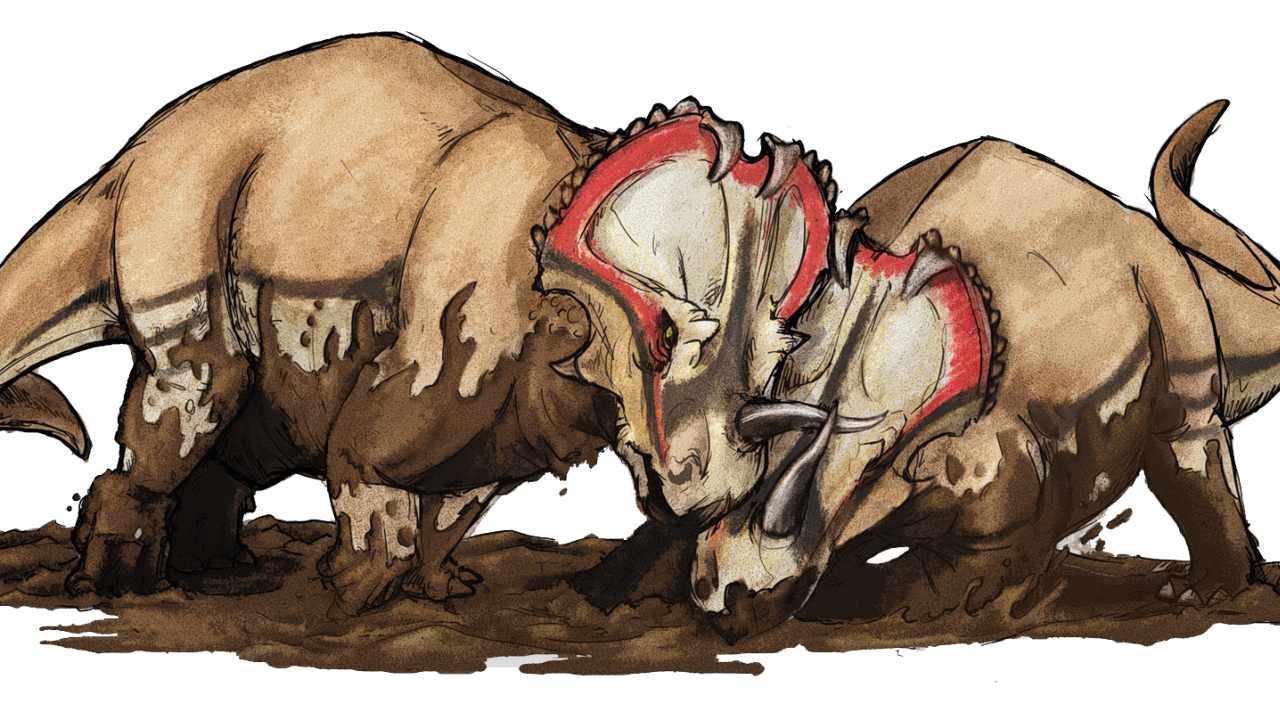
researchers believe that the Centrosaurus Apertus are herbivores dinosaurs that lived in herds. Image credit: Wikipedia[/caption]The fibula or the lower leg bone of the dinosaur was discovered from the Dinosaur Provincial Park in Alberta, Canada, in 1989, CNN reported. However, scientists thought the malformed part of the leg was due to some injury the animal might have received and not a dangerous tumour.
Dr Mark Crowther, the co-author of the study, said in a statement, “Diagnosis of aggressive cancer like this in dinosaurs has been elusive and requires medical expertise and multiple levels of analysis to properly identify.”
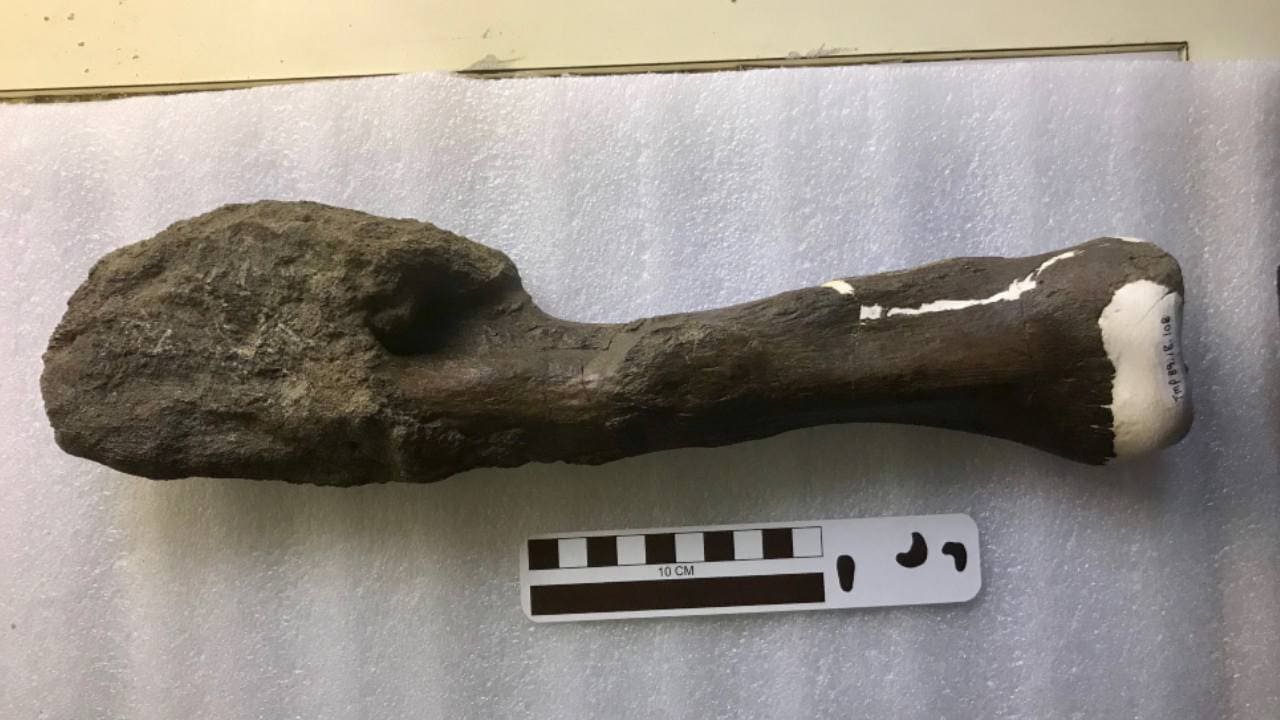
The badly malformed end of this Centrosaurus apertus fossil was originally thought to represent a healing fracture -- but researchers have now determined it was a malignant tumour. Image credit: Danielle Dufault, Royal Ontario Museum[/caption]The researchers believe that since the herbivores dinosaurs lived in herds, the 'group existence' might've helped the diseased dinosaur have a comparatively better life.
The site the bones were discovered is also interesting - the cancerous bones were found along with the bones of several other dinosaurs of the same species.
Scientists are of the opinion that many members of the herd might've died together, probably in a flood. Hence, despite surviving in the wild with a damaged hind leg, the dinosaur finally succumbed to a natural calamity.
 More from Science
Careless Whispers: Scientists discover that plants can 'talk' to each other using smells
Life on Mars? European Space Agency’s Orbiter discovers ice water deposits at equator
Microsoft briefly overtakes Apple as the most valuable company, Apple back on top again
Even NASA is facing a tough time, starts layoffs following major budget cuts
ISRO, NASA's NISAR satellite to get ready by Jan-end, will monitor Earth's snow-covered regions