


Biplab Deb claims ducks 'automatically' raise oxygen levels, beauty of ponds
Deb announced that 50,000 Indian ducks will be distributed among fisherman in the area.

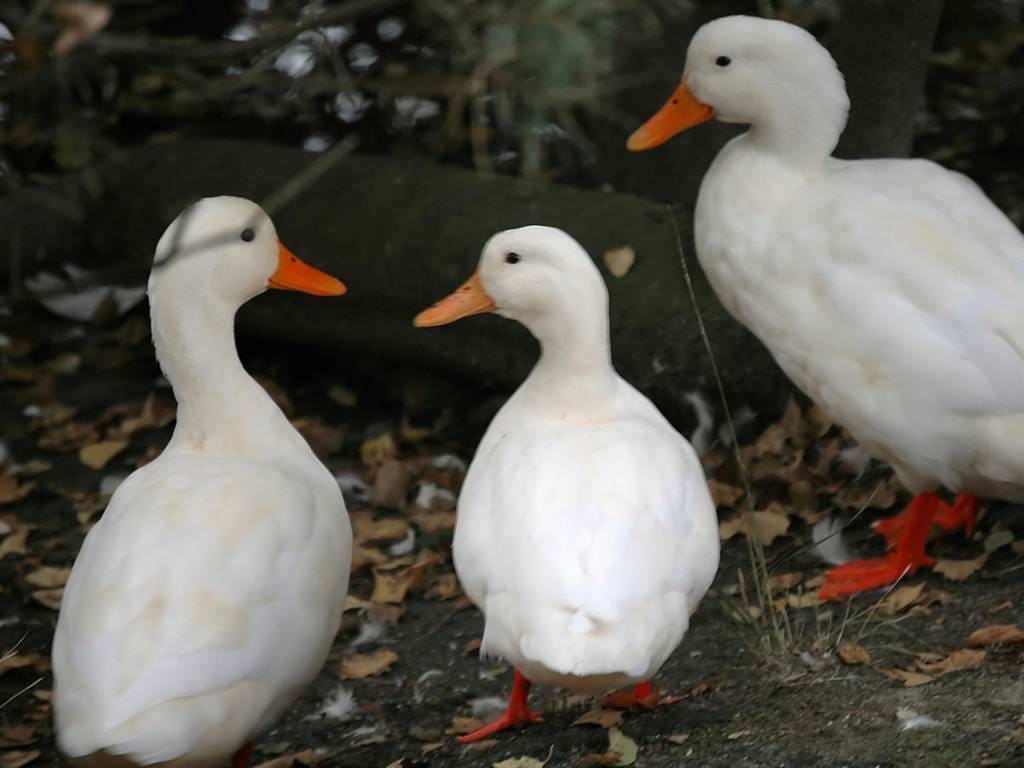
Representational image. Flickr[/caption]“When ducks swim in water, the oxygen level automatically increases in the water body,” Deb is quoted to have said to Express. “Fish in the water will get more oxygen. They also benefit from the bird droppings. Thus, pisciculture will benefit and fish will grow faster, that too in a completely organic way.”He added when speaking to press that duck-rearing would not only boost the rural economy of Tripura, but also beautify the area around Neermahal by ridding the water of algal bloom commonly seen in low-oxygen water environments.As bizarre as his claim might be, it appears to be backed by a credible scientific report. A specialized agency of the United National called the Food and Agriculture Organization (FAO) has a report that reads “Ducks aerate the water while swimming; thus, they have been called ‘biological aerators'.With reference to the FAO report, a professor of Zoology at a college in Calcutta said to TOI, “The paddling movement of ducks can help a nominal amount of atmospheric oxygen get dissolved in water,” and that the movement of ducks could help the oxygen disperse and dissolve better.After the series of gaffes — from internet and man-made satellites from the time of the Mahabharata to falsely claiming that Rabindranath Tagore turning away A Nobel in Literature in a protest against British rule — Deb has been at the receiving end of fire time and again for spouting unfounded claims.Perhaps we should chalk this one out to just probability, then?

Careless Whispers: Scientists discover that plants can 'talk' to each other using smells
Life on Mars? European Space Agency’s Orbiter discovers ice water deposits at equator
Microsoft briefly overtakes Apple as the most valuable company, Apple back on top again
Even NASA is facing a tough time, starts layoffs following major budget cuts
ISRO, NASA's NISAR satellite to get ready by Jan-end, will monitor Earth's snow-covered regions