


Ban transferring elephants to 'cruel' zoos after they are captured, is enforced
Zimbabwe has captured and exported more than 100 baby elephants to Chinese zoos since 2012.

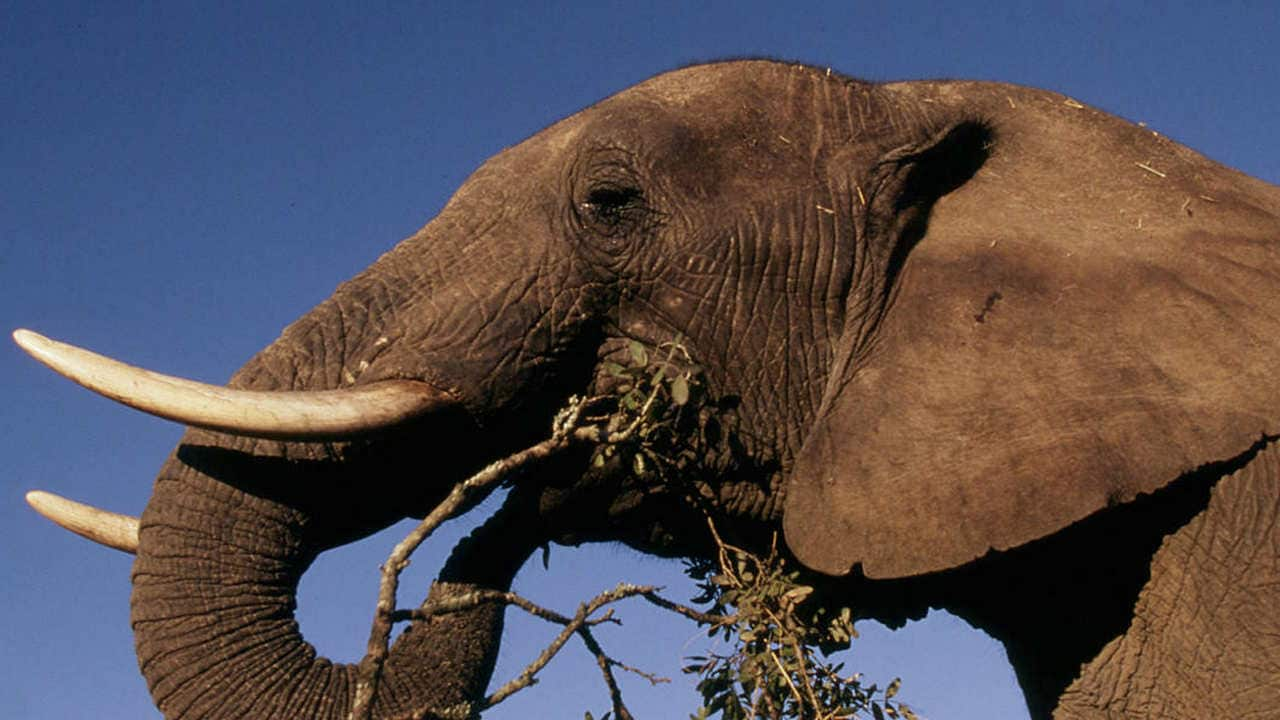
An African elephant feeding on a bush. Image credit: WWF[/caption]"This decision will save countless elephants from being ripped away from their families in the wild and forced to spend their lifetimes imprisoned in substandard conditions at zoos," Iris Ho, a senior wildlife specialist with Humane Society International (HSI), said in a statement.Specifically, the countries voted to limit trade in live wild African elephants only to conservation in their natural habitats, effectively ending the practice of capturing elephants and sending them to zoos and entertainment venus around the world.While elephants in western, central and eastern Africa have long been listed among the species in need of most protection under CITES, and thus banned from all trade, some trade has been permitted in southern Africa, where elephant populations are healthier.Zimbabwe has for instance captured and exported more than 100 baby elephants to Chinese zoos since 2012, according to HSI."The preliminary decision is a remarkable recognition that elephants don't belong in the entertainment industry," Cassandra Koenen, who heads the wildlife division at World Animal Protection, said in a statement. "It's a huge step in the right direction."

Careless Whispers: Scientists discover that plants can 'talk' to each other using smells
Life on Mars? European Space Agency’s Orbiter discovers ice water deposits at equator
Microsoft briefly overtakes Apple as the most valuable company, Apple back on top again
Even NASA is facing a tough time, starts layoffs following major budget cuts
ISRO, NASA's NISAR satellite to get ready by Jan-end, will monitor Earth's snow-covered regions