


AstroSat's first images capture a supernova that's over 10,000 light-years away
Tycho supernova, the remnant of which Astrosat captured, holds a special place in our history.

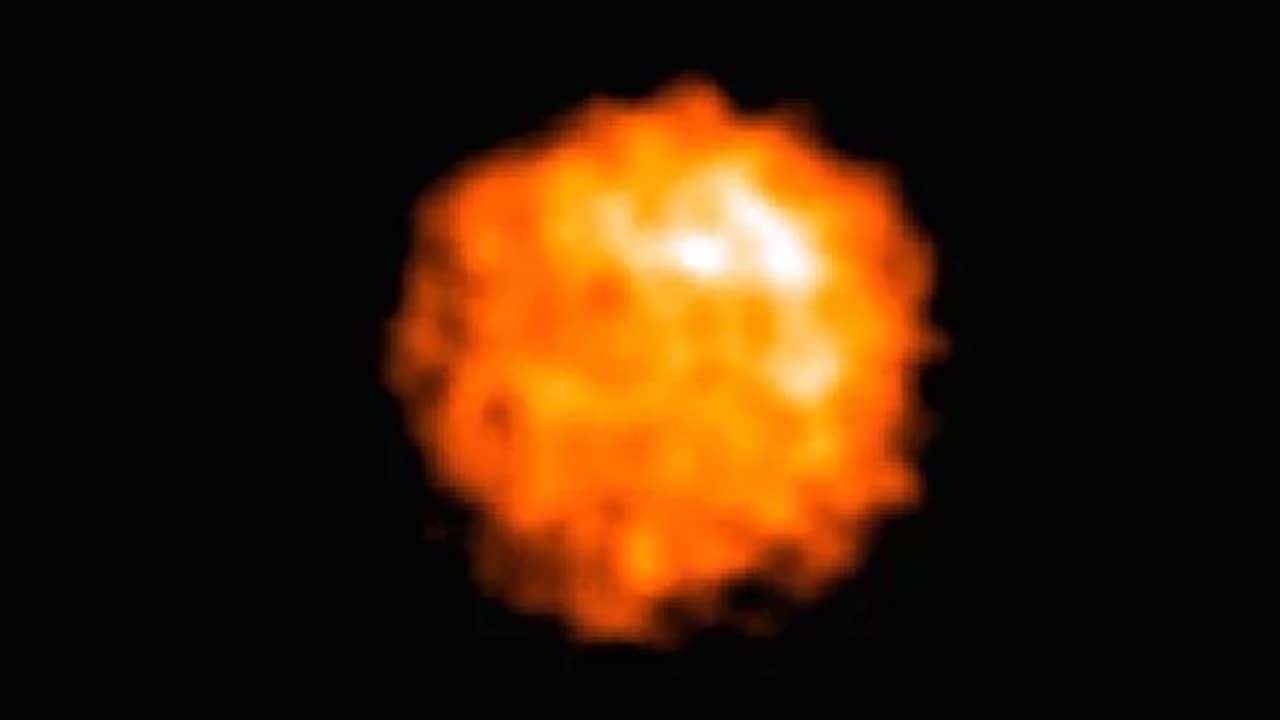
The SN 1572 Tycho Supernova remnant captured by AstroSat. Image courtesy: ISRO[/caption]The Tycho supernova also holds a special place in the history of astronomy. It was first seen in Earth’s skies in 1572 when multiple astronomers in Europe and China independently observed and discovered the supernova, ISRO reports. The supernova appeared as bright as Venus in the night sky at its peak – challenging the popular notion at the time that the sky and stars in it were unchanging.Years after its discovery, astronomers named the supernova ‘Tycho Brahe’, after the scientist who studied it in the greatest detail. The results of his work were published in a paper that was, quite dramatically, titled ‘Concerning the Star, new and never before seen in the life or memory of anyone’, complete with a star chart.But his observations and findings ended in 1574, after which the supernova seemed to have disappeared. With better telescopes, scientists have resumed studying Tycho and the stars involved.It is still rare to see a remnant of a supernova though, the study published in Current Science as an early release, says.Both the stars that caused the Tycho Brahe supernova remain unconfirmed, and perhaps Astrosat’s findings in years to come could get us closer to some much-needed answers.

Careless Whispers: Scientists discover that plants can 'talk' to each other using smells
Life on Mars? European Space Agency’s Orbiter discovers ice water deposits at equator
Microsoft briefly overtakes Apple as the most valuable company, Apple back on top again
Even NASA is facing a tough time, starts layoffs following major budget cuts
ISRO, NASA's NISAR satellite to get ready by Jan-end, will monitor Earth's snow-covered regions