


Asteroid wider than a pair of football fields to fly by Earth at a fair distance on 14 September
The near-earth object with its massive size and close proximity, however, has no chance of hitting our homeworld, assured NASA.

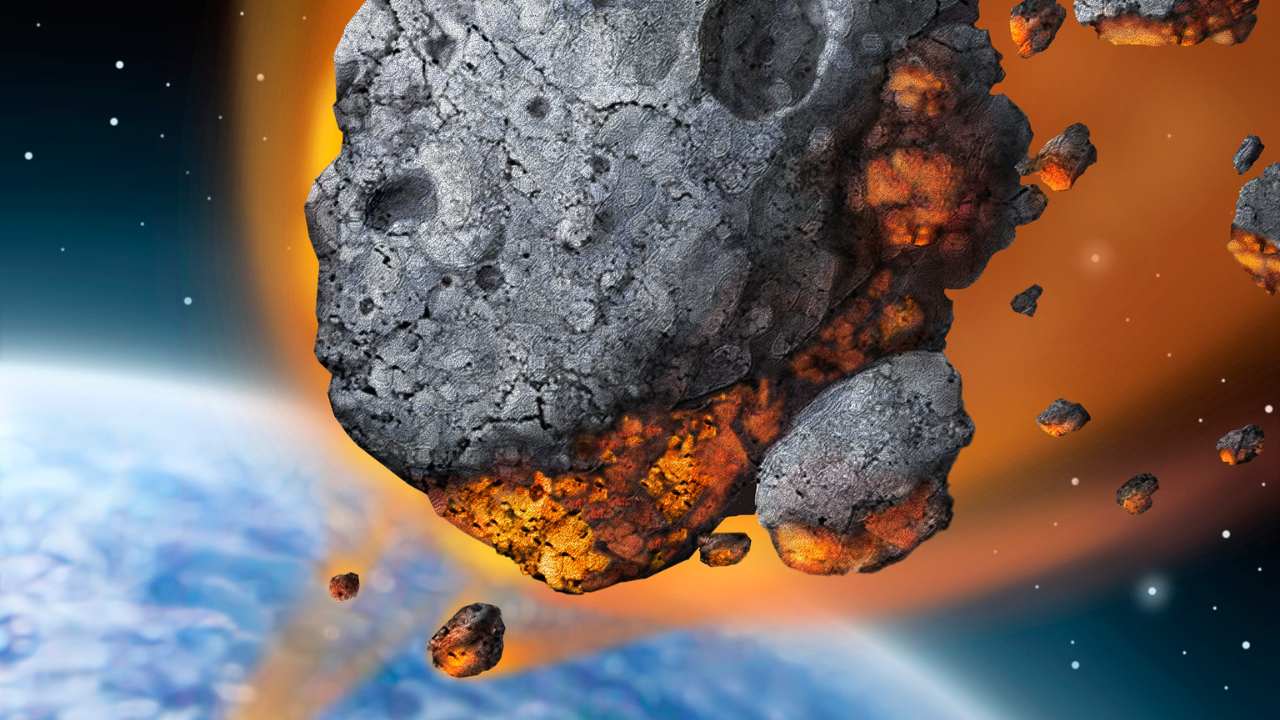
Known as 2020 QL2, the asteroid is over 393 feet in diameter which is wider than two professional American football fields put together. Image credit: State Farm/Flickr[/caption]The near-Earth object (NEO) with its massive size and proximity, however, has no chance of hitting our homeworld, assured the space agency. NASA defines a NEO as a space object that has a perihelion distance less than 1.3 astronomical units (au). Here, perihelion is the point where the Earth is closest to the sun.Although comets can also be near-Earth objects, NASA says that the majority of the NEOs are asteroids. On the other hand, Potentially Hazardous Asteroids (PHAs) are those that have the Earth Minimum Orbit Intersection Distance (MOID) of 0.05 au (or 7.4 million kilometres) or less and measure more than 460 feet in diameter.This asteroid will pass by our planet about 15 days after another potentially hazardous asteroid called '2011 ES4' had flown past our planet. The space rock had come as close as 1.2 lakh kilometre from Earth and NASA had said that it was the closest approach of an asteroid of its size in the ten years to come. The asteroid was between 22 to 50 metres wide and had passed by us on 1 September.

Careless Whispers: Scientists discover that plants can 'talk' to each other using smells
Life on Mars? European Space Agency’s Orbiter discovers ice water deposits at equator
Microsoft briefly overtakes Apple as the most valuable company, Apple back on top again
Even NASA is facing a tough time, starts layoffs following major budget cuts
ISRO, NASA's NISAR satellite to get ready by Jan-end, will monitor Earth's snow-covered regions