


Are consumers willing to pay more for climate-friendly products?
Simple economies of scale impact price - demand for such products remains low, the price is but more demand means more production and lower unit price costs.

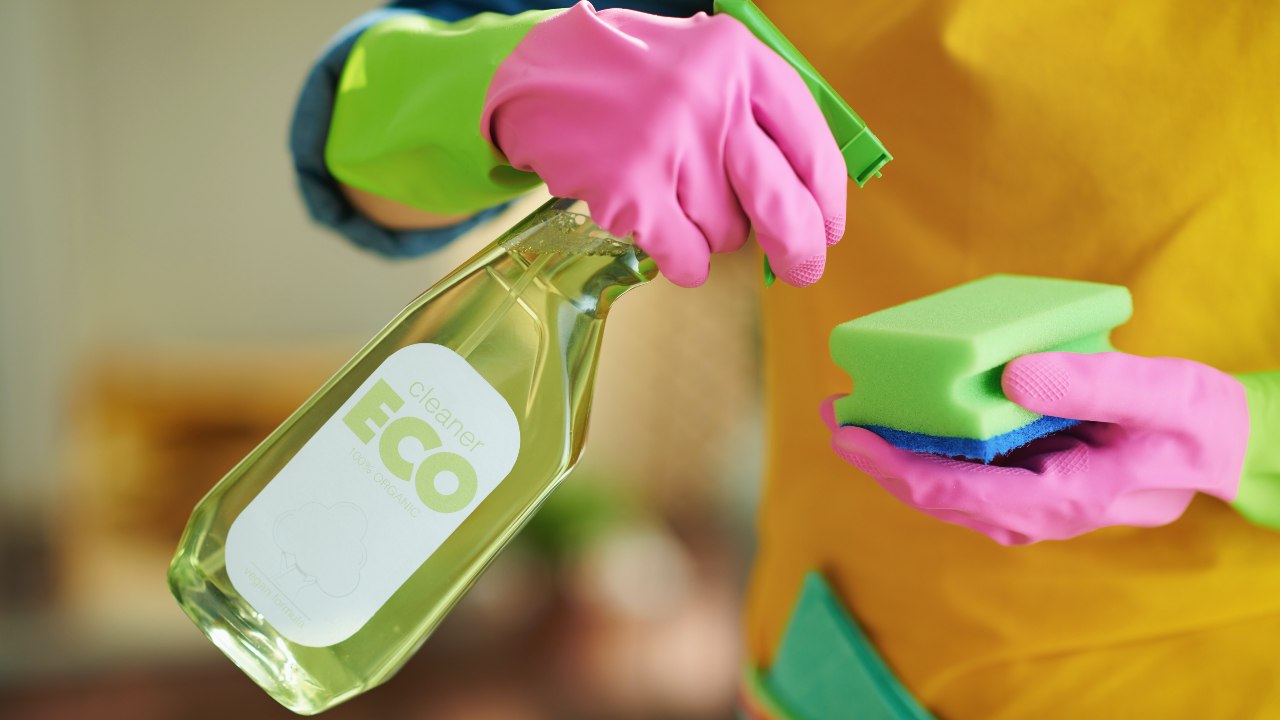
An international study of 20,000 customers by grocery brand giant Unilever identified one in three (33 percent) people were choosing to buy from brands they believe are doing environmental good. Shutterstock/Alliance Images[/caption]
Green, eco-friendly, climate-friendly products — confused?
Colloquially, use of the word “green” is applied broadly to almost everything related to benefiting the environment, from production and transportation to architecture and even fashion.Eco-friendly isn’t quite so broad and defines products or practices that do not harm the Earth’s environment.Climate-friendly defines products that reduce damage specifically to the climate.All these terms are used in labelling to make us feel good if we buy products claimed to minimise harm to the planet and the environment.Some brands are even moving beyond simply eco-friendly and now seek to claim their products are climate-neutralOn Earth Day 2020, the organisation Climate Neutral — an independent non-profit organisation working to decrease global carbon emissions — confirmed 103 brands had completed its certification process in 2020 and 50 other brands were still in the process.[caption id="attachment_8872661" align="alignnone" width="1280"]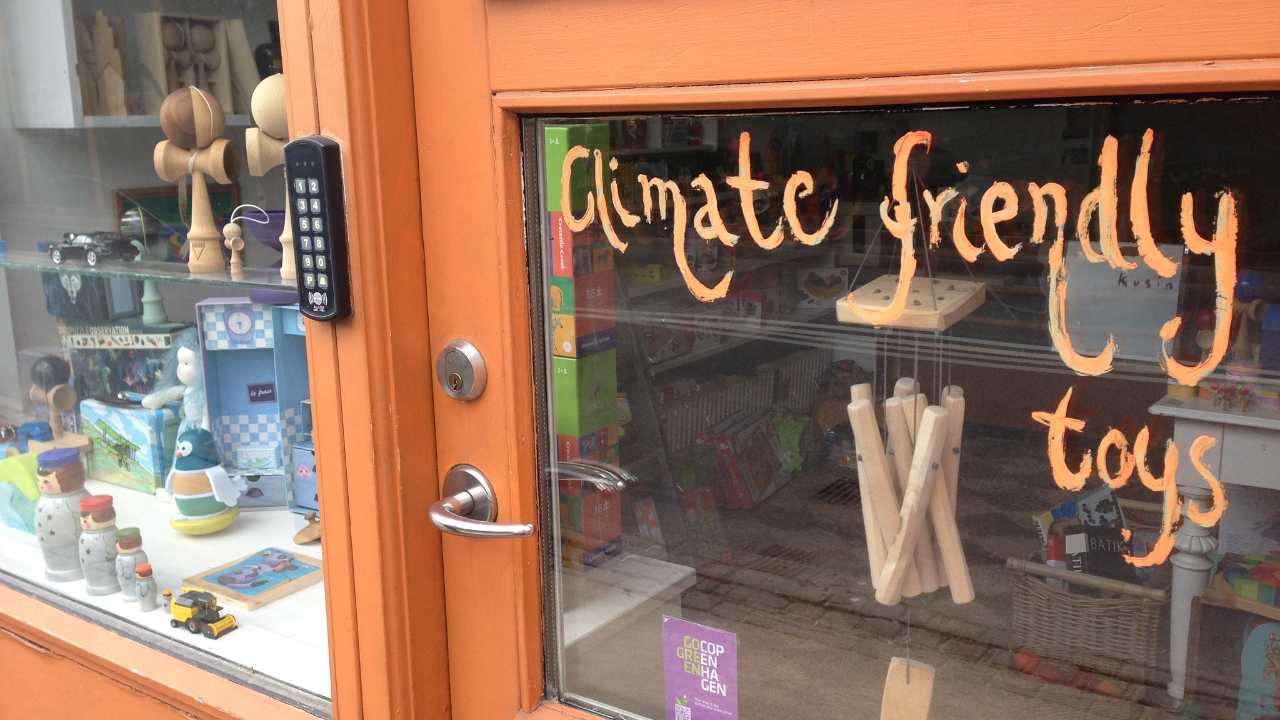
Even toys can get the climate-friendly treatment. Flickr/Justin Hall, CC BY[/caption]
Who says it’s up to standard?
A willingness to pay for eco-friendly products
For years, researchers have examined climate-oriented consumption to see if it wins people’s support.Reports such as Nielsen Insights suggest the majority (73 percent) of consumers would change their consumption habits to reduce their impact on the environment, and almost half (46 percent) would switch to environmentally friendly products.But the results should be interpreted cautiously. As US psychologist Icek Ajzen wrote: Actions, then, are controlled by intentions, but not all intentions are carried out …Consumer concern about the environment does not readily translate into the purchase of environmentally friendly products. Commercial research says 46 percent of consumers are more inclined to buy a product if it is eco-friendly. But nearly 60 percent are unwilling to pay more money for that eco-friendly product.Academic research has consistently identified this gap between purchase intentions and behaviours. Hence, despite environmental concern and the positive attitude of customers towards sustainability and green products, it’s estimated the market share of green products will reach only 25 percent of store sales by 2021.Ultimately, the research that evaluates consumers’ willingness to pay more for green products has been mixed.For example, one study found Spanish consumers were willing to pay 22–37 percent more for green products, but Japanese consumers were only willing to pay 8–22 percent more for green products.
Why green products cost more
From procuring raw materials to shipping the final product, almost all steps of the manufacturing and production process of eco-friendly products cost more than traditional products.There are several reasons for this. Sustainable materials cost more to grow and manufacture, reputable third-party certifications add further costs and using organic materials is more expensive than alternatives such as mass-produced chemicals.Simple economies of scale also impact on price. While the demand for such products remains low, the price remains high. More demand would mean more production and lower unit price costs.As economists say, as price lowers, our willingness and ability to buy an item increase.
 More from Science
The nudge to change behaviour
 Gary Mortimer, Professor of Marketing and Consumer Behaviour, Queensland University of TechnologyThis article is republished from The Conversation under a Creative Commons license. Read the original article.
Careless Whispers: Scientists discover that plants can 'talk' to each other using smells
Life on Mars? European Space Agency’s Orbiter discovers ice water deposits at equator
Microsoft briefly overtakes Apple as the most valuable company, Apple back on top again
Even NASA is facing a tough time, starts layoffs following major budget cuts
ISRO, NASA's NISAR satellite to get ready by Jan-end, will monitor Earth's snow-covered regions