


Antarctica is losing six times more ice now than it was in the 1980s: Study
Antarctica's ice melting increased by 280 percent in the last sixteen years according to the study.

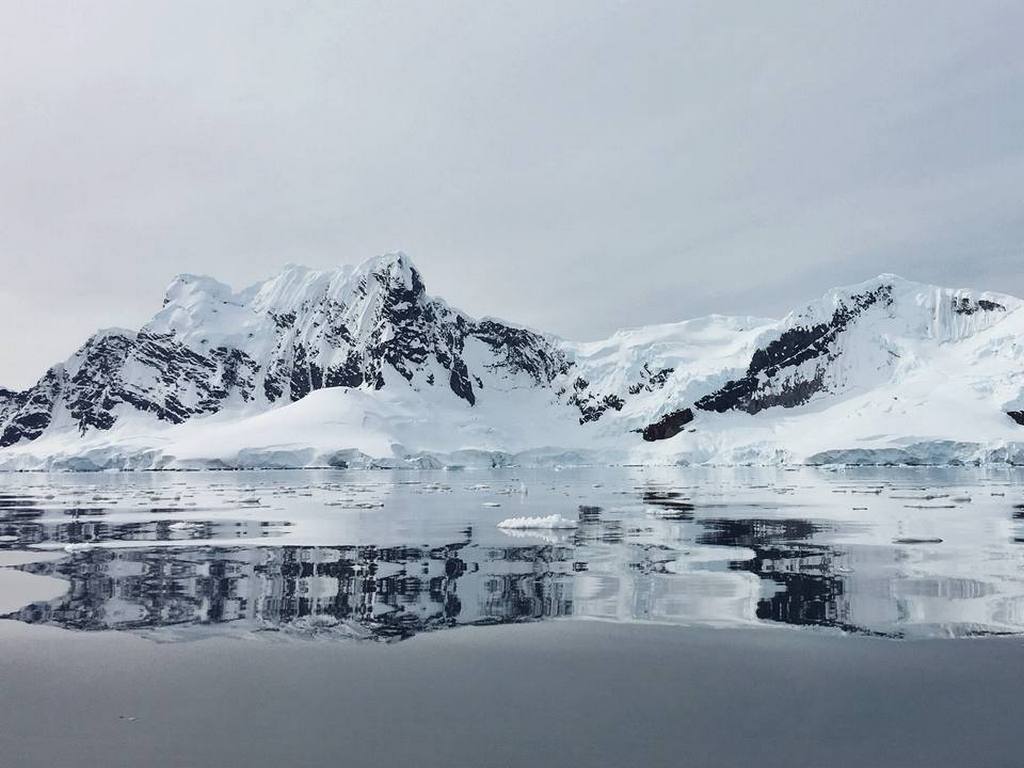
Representational Image.[/caption]Scientists used aerial photographs, satellite measurements and computer models to track how fast the southern-most continent has been melting since 1979 in 176 individual basins. They found the ice loss to be accelerating dramatically — a key indicator of human-caused climate change.Eric Rignot, a University of California, Irvine, ice scientist, was the lead author on the new study in Monday’s Proceedings of the National Academy of Sciences. He said the big difference is that his satellite-based study found East Antarctica, which used to be considered stable, is losing 56 billion tons (51 billion metric tons) of ice a year. Last year’s study, which took several teams’ work into consideration, found little to no loss in East Antarctica recently and gains in the past."That's just the tip of the iceberg, so to speak," said Eric Rignot. "As the Antarctic ice sheet continues to melt away, we expect multi-meter sea level rise from Antarctica in the coming centuries."Melting in West Antarctica and the Antarctica Peninsula account for about four-fifths of the ice loss. East Antarctica’s melting “increases the risk of multiple meter (more than 10 feet) sea level rise over the next century or so,” Rignot said.Richard Alley, a Pennsylvania State University scientist not involved in Rignot’s study, called it “really good science.”With inputs from The Associated Press

Careless Whispers: Scientists discover that plants can 'talk' to each other using smells
Life on Mars? European Space Agency’s Orbiter discovers ice water deposits at equator
Microsoft briefly overtakes Apple as the most valuable company, Apple back on top again
Even NASA is facing a tough time, starts layoffs following major budget cuts
ISRO, NASA's NISAR satellite to get ready by Jan-end, will monitor Earth's snow-covered regions