


All fun and games: NASA releases video game that can help save the world's coral reefs
While the player are playing the games, they will be teaching Ames's Pleiades supercomputer that will map out the world's corals.

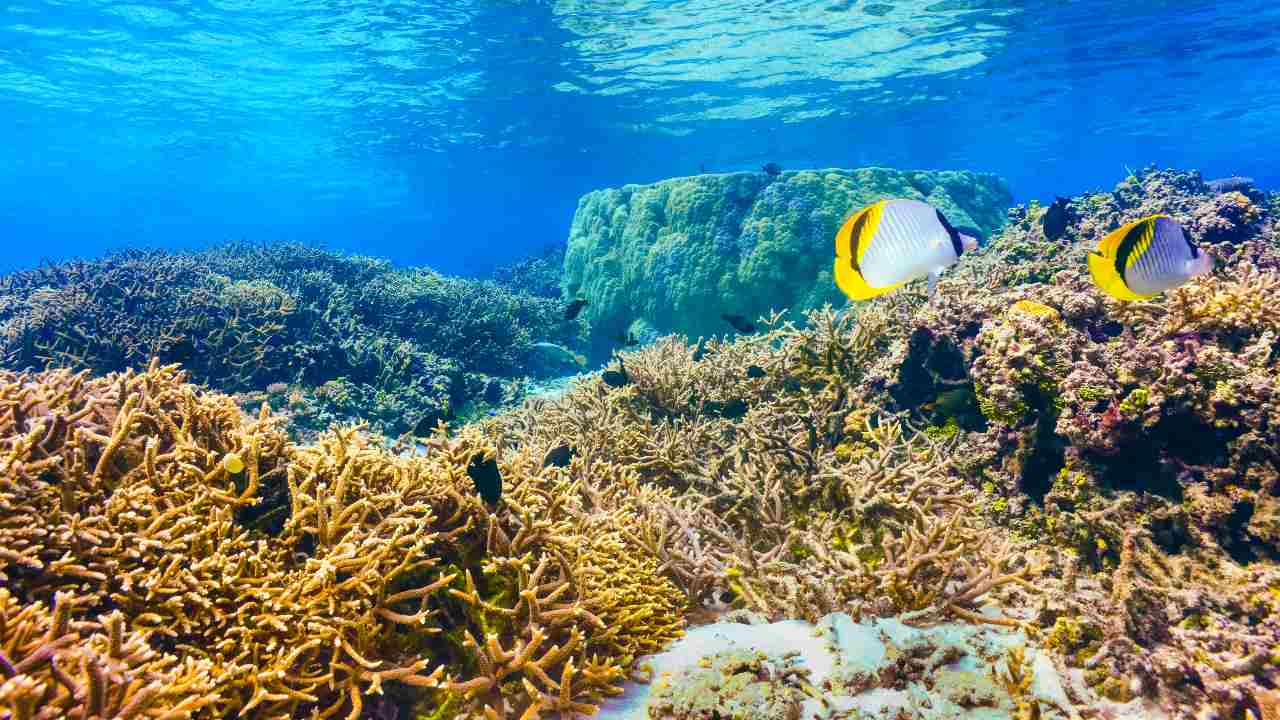
A coral reef in American Samoa, one of the locations where researchers from the Laboratory for Advanced Sensing went on deployment to collect data using fluid-lensing instruments.
Credits: NASA/Ames Research Center/Ved Chirayath[/caption]NASA, with its ingenuity and access to various instruments, has stepped in and has created a game that could possibly help the corals.NeMO-Net or the Neural Multi-Modal Observation and Training Network is a video game, developed by NASA’s Ames Research Center in California's Silicon Valley.The game is a fun spin that allows NASA to build a map of all the coral reefs in the ocean while allowing citizen scientists to have fun and get involved.[caption id="attachment_8282331" align="alignnone" width="1280"]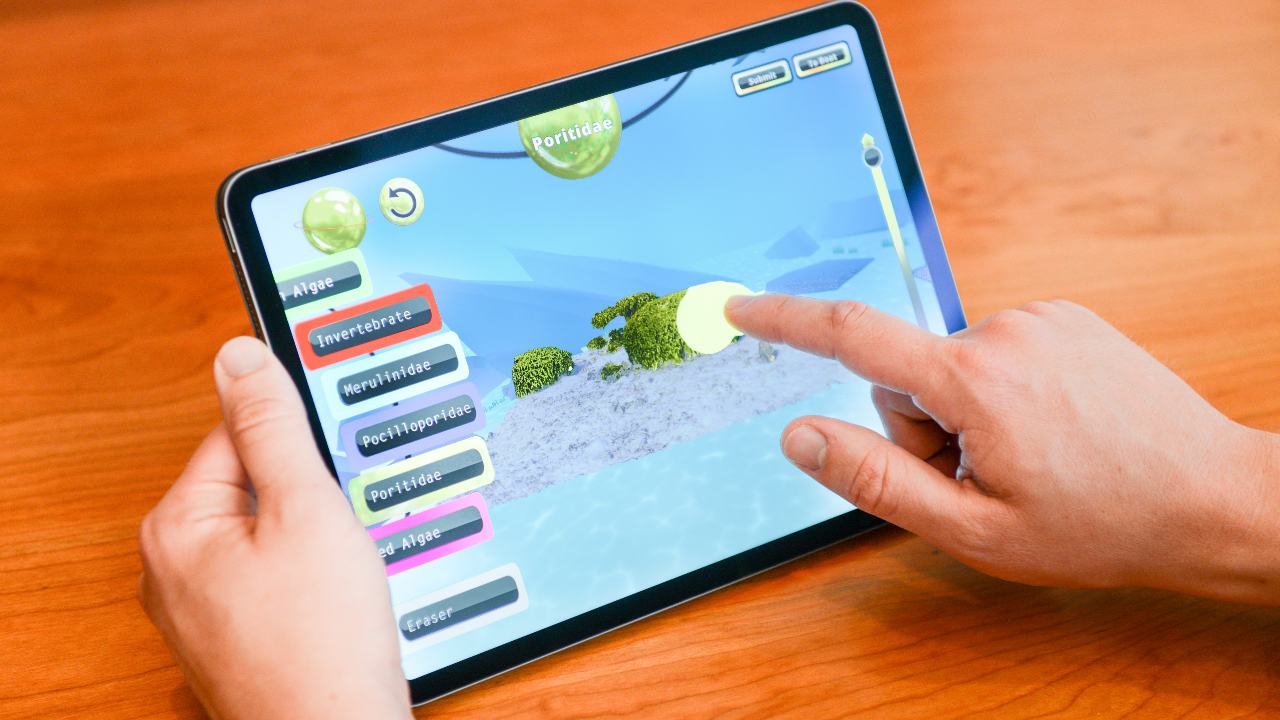
A player classifying real NASA imagery of coral in the NeMO-Net game on a tablet from the comfort of home.
Credits: NASA/Ames Research Center/Ved Chirayath[/caption]In the game, players will learn about the coral reefs using NASA data while identifying them when they come across these corals during their 'dives' The games use 3D images from NASA's fluid lensing cameras that have collected images from Puerto Rico, Guam, American Samoa, and other parts of the world. The players travel the ocean in their own research vessel, the Nautilus.A Nautilus is a marine mollusc that has survived unchanged for the past hundreds of millions of years and is considered living fossils.It is also a fictional submarine captained by Nemo featured in Jules Verne's novels Twenty Thousand Leagues Under the Sea (1870) and The Mysterious Island (1874).According to a press release, the player can "track their progress, earn badges, read through the game's field guide, and access educational videos about life on the seafloor."[caption id="attachment_8282341" align="alignnone" width="1280"]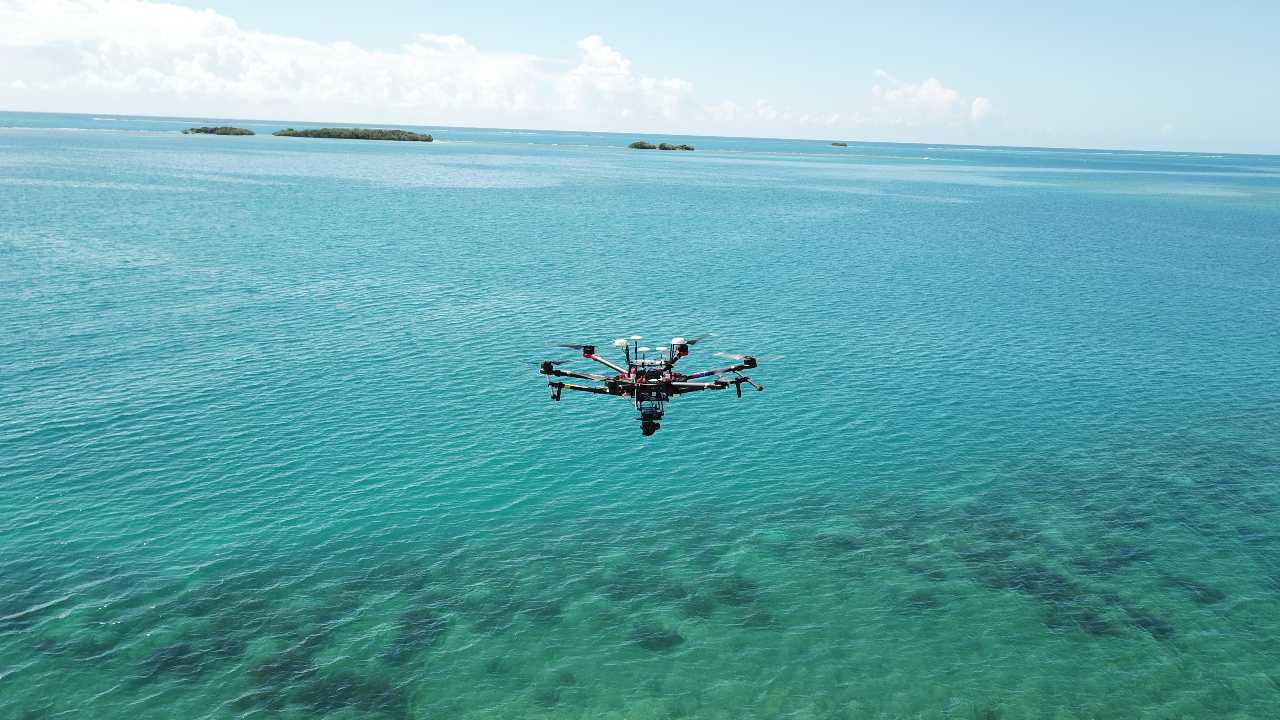
Mapping the ocean floors using fluid lensiing camera. Image credit: NASA[/caption]It's not all fun and games though for the people at Ames. With more people playing these games and teaching the Pleiades supercomputer the patterns, the more it will learn to classify the corals on its own.According to the NASA statement, "Once it has been able to accurately classify corals from low-resolution data included in the game, the supercomputer will be able to map out the world's corals at an unprecedented resolution. With that map, scientists will better understand what is happening to corals and find ways to preserve them."NeMO-Net is available on the Apple App Store for iOS devices and Mac computers. They will be releasing the game for Android systems as well.

Careless Whispers: Scientists discover that plants can 'talk' to each other using smells
Life on Mars? European Space Agency’s Orbiter discovers ice water deposits at equator
Microsoft briefly overtakes Apple as the most valuable company, Apple back on top again
Even NASA is facing a tough time, starts layoffs following major budget cuts
ISRO, NASA's NISAR satellite to get ready by Jan-end, will monitor Earth's snow-covered regions