


After phosphine, Indian researchers now discover amino acid glycine in Venus' atmosphere
There are some 500 known amino acids, only 20% of which are encoded for, in living organisms. Glycine is the simplest amino acid.

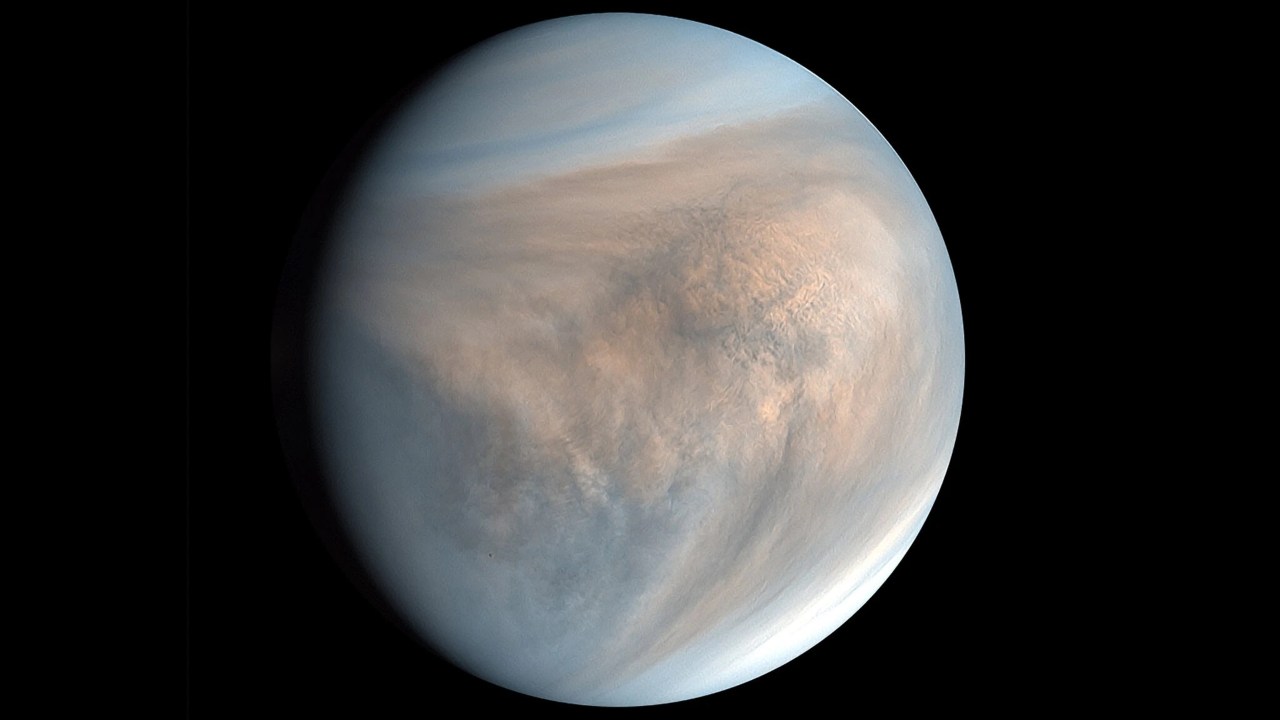
Venus. Image Credit: PLANET-C/JAXA[/caption]While there are about 500 known amino acids, only 20 percent are present in the genetic code of which glycine is the simplest form. The results of the study is at the pre-print site Arxiv.org.This is not the first time that researchers found a biosignature on Venus. Researchers reported finding phosphine in the upper atmosphere of Venus in mid-September.Also read: Phosphine found in the Venus atmosphere, could be signs of 'aerial life' in planet's cloudsScientists at MIT, Cardiff University, and elsewhere, led by Jane Greaves of Cardiff University, detected in Venus’ atmosphere a spectral fingerprint, or light-based signature, of phosphine. The researchers made the discovery using Hawaii’s James Clerk Maxwell Telescope (JCMT), and the Atacama Large Millimeter Array (ALMA) observatory in Chile.

Careless Whispers: Scientists discover that plants can 'talk' to each other using smells
Life on Mars? European Space Agency’s Orbiter discovers ice water deposits at equator
Microsoft briefly overtakes Apple as the most valuable company, Apple back on top again
Even NASA is facing a tough time, starts layoffs following major budget cuts
ISRO, NASA's NISAR satellite to get ready by Jan-end, will monitor Earth's snow-covered regions