
Advertisement


Sections
Will consider IP68, dustproof, waterproof support for future Redmi phones: Xiaomi VP Lu Weibing
IP68 means that the device will have no ingress of dust at all and can be immersed in up to 1.5 meters of freshwater for up to 30 minutes.

The vice president of Xiaomi Group and general manager of Redmi, Lu Weibing, has announced that the company will consider using IP68 for future Redmi smartphones.Weibing posted this on Weibo saying:![Representational Image (Redmi 8A Dual)]() Representational Image (Redmi 8A Dual)[/caption]However, Redmi fans seemed to disagree with Weibing and demanded that the future Redmi phones feature IP68.For the uninitiated, the Ingress Protection 53 or IP53 means that a device will be protected from limited dust ingress and water falling as a spray at any angle up to 60 degrees from the vertical. On the other hand, IP68 means that the device will have no ingress of dust at all and can be immersed in up to 1.5 meters of freshwater for up to 30 minutes.In simpler words, while IP53 rated smartphones (like the Redmi K30) are protected from slight dust and water splashes, unlike th devices with IP68 rating, they can not be used for under-water photography or any other such activities.
Representational Image (Redmi 8A Dual)[/caption]However, Redmi fans seemed to disagree with Weibing and demanded that the future Redmi phones feature IP68.For the uninitiated, the Ingress Protection 53 or IP53 means that a device will be protected from limited dust ingress and water falling as a spray at any angle up to 60 degrees from the vertical. On the other hand, IP68 means that the device will have no ingress of dust at all and can be immersed in up to 1.5 meters of freshwater for up to 30 minutes.In simpler words, while IP53 rated smartphones (like the Redmi K30) are protected from slight dust and water splashes, unlike th devices with IP68 rating, they can not be used for under-water photography or any other such activities.
Since everyone likes IP68 so much, we will also consider it for future products.This comes after the Redmi general manager shared a post on Weibo this weekend about Redmi K30 Pro supporting IP53 (dust resistance), which the company feels is enough to cope with splashes as well, in turn, not seeing the need for IP68 rating at all.[caption id="attachment_8029391" align="alignnone" width="1280"]
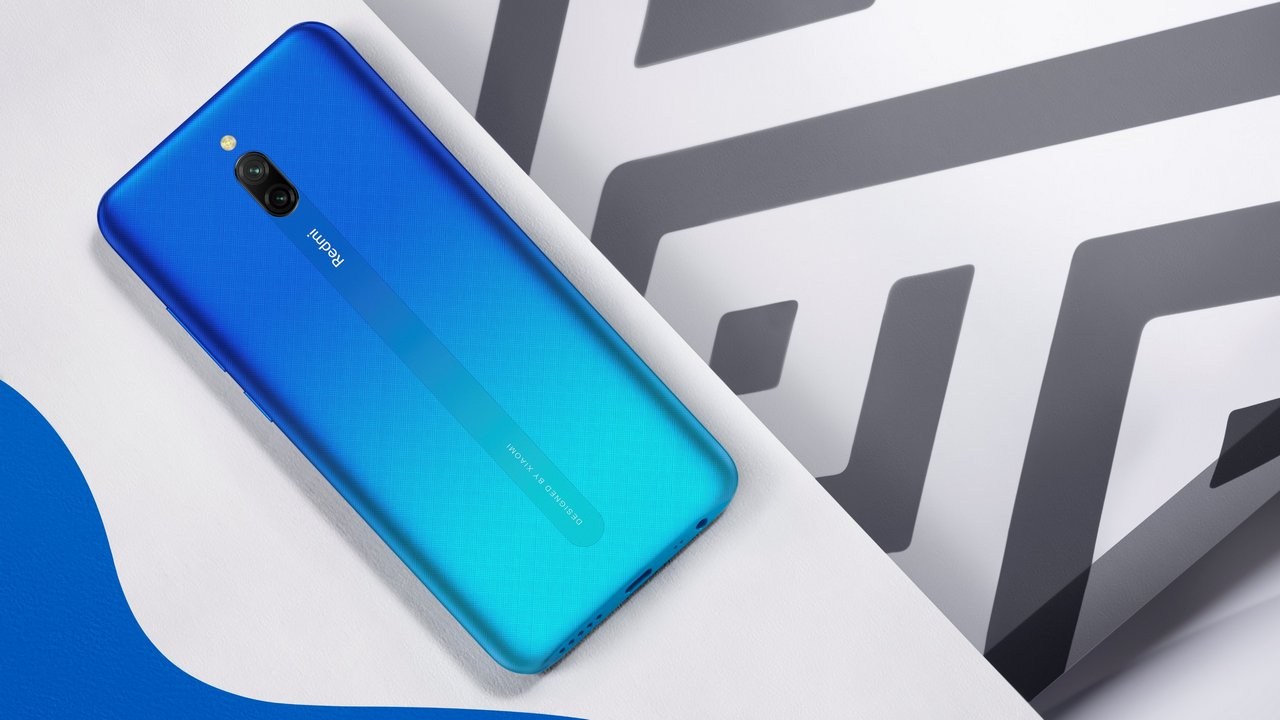 Representational Image (Redmi 8A Dual)[/caption]However, Redmi fans seemed to disagree with Weibing and demanded that the future Redmi phones feature IP68.For the uninitiated, the Ingress Protection 53 or IP53 means that a device will be protected from limited dust ingress and water falling as a spray at any angle up to 60 degrees from the vertical. On the other hand, IP68 means that the device will have no ingress of dust at all and can be immersed in up to 1.5 meters of freshwater for up to 30 minutes.In simpler words, while IP53 rated smartphones (like the Redmi K30) are protected from slight dust and water splashes, unlike th devices with IP68 rating, they can not be used for under-water photography or any other such activities.
First Published:Apr 13, 2020, 13:19:43 IST
Advertisement
Advertisement

Why AI notetakers are raising serious privacy and security concerns
AI notetakers promise effortless meeting summaries, but experts warn they could expose confidential conversations, corporate secrets and personal voiceprints. As businesses increasingly adopt AI-powered meeting assistants, questions over data storage, privacy, consent and legal risks are becoming impossible to ignore
5 min read
China's low-cost AI models are changing the global AI race. Here's why Silicon Valley is worried
As Chinese firms continue to improve performance while keeping prices low, the AI race is no longer just about building the smartest model—it is increasingly becoming a battle over who can deliver the best value
2 min read
China's Kimi K3 challenges US AI leaders with frontier-level performance at lower cost
Chinese artificial intelligence startup Moonshot AI has unveiled its latest open-weight AI model, Kimi K3, with early results suggesting it could compete with some of the world's most advanced AI systems developed by leading US companies
2 min read
How did Instagram run ads promoting child abuse in India?
India has issued a notice to Meta after an investigation alleged that Instagram displayed paid advertisements promoting child sexual abuse material. MeitY ordered Meta to remove such Instagram ads and explain within seven days how they were approved
8 min read
Why has India halted WhatsApp’s username feature before launch?
India has halted WhatsApp’s planned username feature, citing concerns about cybercrime, impersonation, and law enforcement challenges. As Meta races to address security concerns, here’s why MeitY has paused the rollout, what the feature does, and how it could influence privacy and online safety in India
3 min read
Advertisement
Advertisement