


Vivo unveils under-the-display fingerprint sensor at CES 2018; here's how it works
Synaptics' Clear ID and its piece of tech works only alongside OLED screens, wherein it uses the gaps between the pixels for scanning the fingerprint.

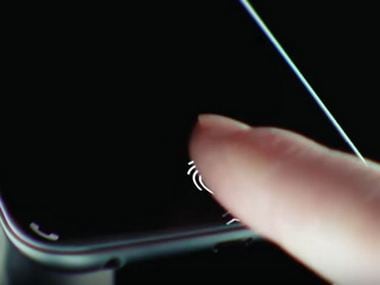
Under the display fingerprint sensor. Vivo[/caption]At CES 2018, however, we witnessed the first smartphone in the world to have a fingerprint sensor under the screen. This was made by the Chinese smartphone maker Vivo and it was also shown in action live at the event.Reports say that Vivo has partnered with Synaptics to use the latter's technology for a fingerprint reader that sits under the display. This Vivo phone sported an all-screen design and The Verge was able to test Synaptics’s Clear ID fingerprint sensor in a hands-on. So how does it work?According to a report by BGR, Vivo has used an ultrasonic sensor beneath the phone's display. Once pressure is applied on the screen at the exact spot where required ultrasonic signals travel through the OLED screen to create a 3D map of the fingerprint under the display. Since this process uses capacitive sensors, wet fingers won't be able to unlock the device. The location of the sensor is in the same spot that most front-facing physical fingerprint scanners are located.The Verge claims that the sensor works just as intended like a normal fingerprint reader while registering a new fingerprint or unlocking the device. They also claimed that the sensor was slower than a regular standalone sensor, but over time the technology has the scope to improve.

Why AI notetakers are raising serious privacy and security concerns
China's low-cost AI models are changing the global AI race. Here's why Silicon Valley is worried
China's Kimi K3 challenges US AI leaders with frontier-level performance at lower cost
How did Instagram run ads promoting child abuse in India?
Why has India halted WhatsApp’s username feature before launch?