


Vivo to focus on mid and premium devices in the Indian smartphone market
Features like in-display fingerprint scanning and an AI-powered camera will help the company differentiate its products in the premium segment.

Chinese handset maker Vivo said that it will operate across various price points with a focus on mid and premium devices in the hyper-competitive Indian smartphone market.[caption id="attachment_4486003" align="alignleft" width="380"]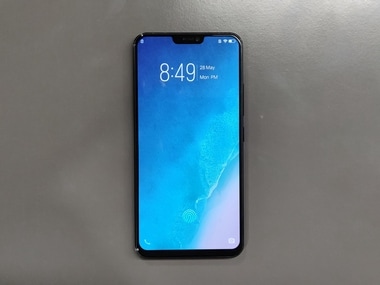 The Vivo X21. Image: tech2/Sheldon Pinto[/caption]Vivo, which competes with the likes of Samsung, Xiaomi and Oppo in India, had launched its latest flagship device—Vivo X21—featuring in-display fingerprint scanning technology."India is a strategic market and we have our eyes set here... We want to be present across price points, be it Rs 10,000-20,000 or the premium category (Rs 30,000 and above). We have expanded our presence in retail and strengthened after sales to ensure good customer experience," Vivo India director (Brand Strategy) Nipun Marya said.He added that the company will not introduce too many devices in the sub-Rs 10,000 category.Marya said features like in-display fingerprint scanning and an AI-powered camera will help the company differentiate its products in the premium segment.The premium category is estimated to account for less than 10 percent of the Indian market in terms of shipment. The value contribution, however, is higher. The segment is also growing at a strong pace in India, which is among the largest smartphone markets globally.

Why AI notetakers are raising serious privacy and security concerns
China's low-cost AI models are changing the global AI race. Here's why Silicon Valley is worried
China's Kimi K3 challenges US AI leaders with frontier-level performance at lower cost
How did Instagram run ads promoting child abuse in India?
Why has India halted WhatsApp’s username feature before launch?