


US-made Moto X cost less than Samsung Galaxy S4 to build
Research firm IHS Suppli has done a tear-down of Motorola's new Moto X phone and said that the phone doesn't cost more to make simply because it's assembled in the US and not in Asia like other smartphones.

Research firm IHS Supplihas done a tear-down of Motorola's new Moto X phone and said that the phone doesn't cost more to make simply because it's assembled in the US and not in Asia like other smartphones.
The report states, the Moto X-Motorola may have overturned this truism, building a smartphone assembled in the United States but with a combined bill of materials (BOM) and manufacturing cost in the same range as market-leading products made in Asia.
"With the Moto X, Motorola is reaping the public-relations and customisation upsides of producing a smartphone in the United States, while maintaining competitive hardware costs," said Andrew Rassweiler, senior director, cost benchmarking services for IHS. "The Moto X's electronic components are comparable to other cutting-edge smartphones on the market today.
 More from News Analysis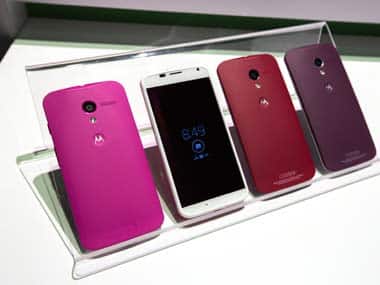
Moto X cost less to build than Samsung Galaxy S4. Reuters[/caption]
The Moto X is the first smartphone to carry the "Made in the USA" designation. Labour costs are higher in the US compared with Asian factories, where phones are typically made.
But researchers at IHS say that overall cost for parts and labour for the Moto X is cheaper than Samsung Galaxy S4, by about 5 percent. IHS says the Moto X is just 9 percent more expensive to make than that for Apple's iPhone 5.
As previously reported, labour is a small part of a phone's overall cost. IHS estimates the labour cost at $12 per phone for the Moto X, bringing the overall production cost to $226.
The report also highlights that that the Moto X makes very efficient use of its battery by managing the power consumption of its apps processor and display.
The Moto X went on sale last Friday in the US.
With inputs from Associated Press

Why AI notetakers are raising serious privacy and security concerns
China's low-cost AI models are changing the global AI race. Here's why Silicon Valley is worried
China's Kimi K3 challenges US AI leaders with frontier-level performance at lower cost
How did Instagram run ads promoting child abuse in India?
Why has India halted WhatsApp’s username feature before launch?