


US FCC faces loads of tough questions from court on 2017 net neutrality repeal
The FCC repeal was a win for providers like AT&T but was opposed by internet giants Facebook, Google.

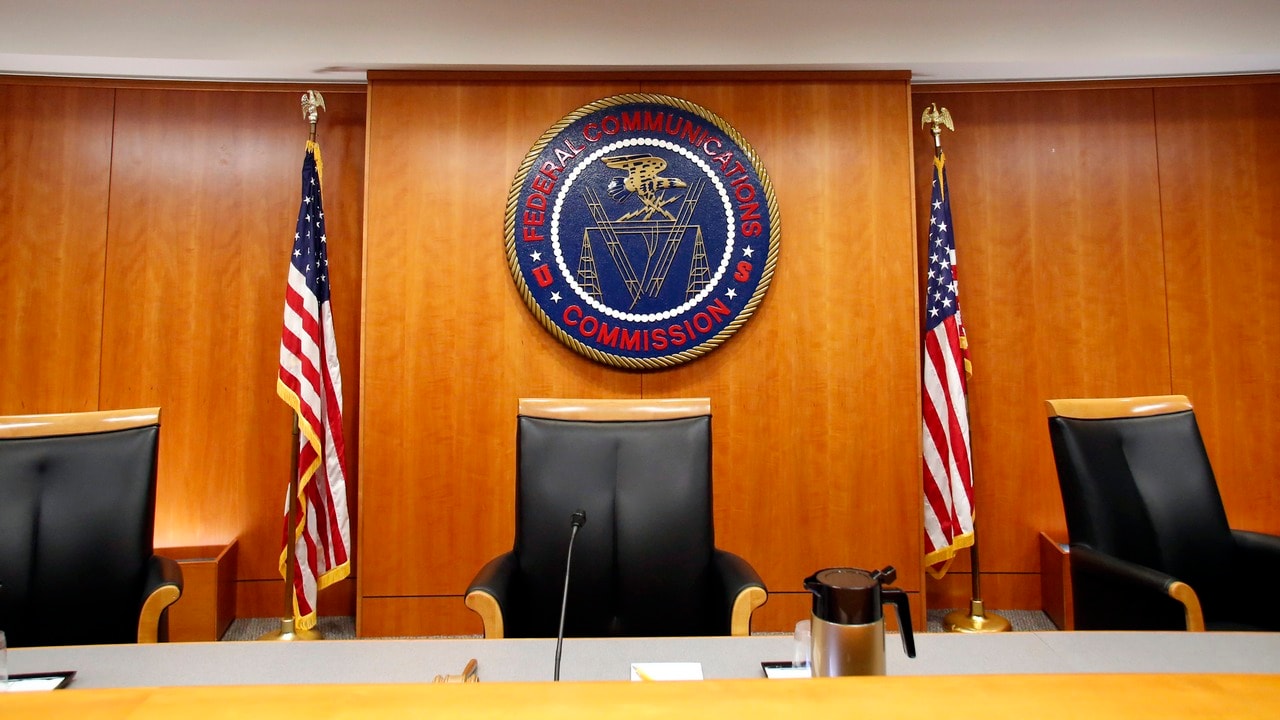
Federal Communications Commission (FCC) hearing room. Reuters[/caption]“We are creating rules that are built to last,” FCC general counsel Tom Johnson told the US Court of Appeals for the District of Columbia.Judge Patricia Millett repeatedly pressed Johnson over the FCC’s legal basis for treating telephone calls differently than internet traffic and asked if the FCC had properly considered the public safety impacts.Millett raised the example of police needing to send urgent photos or video of a suspect that could be delayed if some internet traffic was prioritized.“We can’t anticipate all harms,” Johnson said. As he sought to play down the concern Millett interjected: “There’s no evidence because they haven’t done it yet.”In its 2017 decision the Republican-led FCC voted 3-2 along party lines to reverse the net neutrality rules. The agency gave providers sweeping power to recast how users access the internet but said they must disclose any changes in users’ internet access.The appeals panel is made up of Judges Millet and Robert Wilkins, two appointees of Democratic former President Barack Obama, and Stephen Williams, an appointee of Republican Ronald Reagan.Challenge from States, CompaniesA group of 22 state attorneys general and the District of Columbia asked the appeals court to reinstate the Obama-era internet rules and to block the FCC’s effort to pre-empt states from imposing their own rules guaranteeing an open internet.Several internet companies are also part of the legal challenge, including Mozilla, Vimeo and Etsy, as well as numerous media and technology advocacy groups and major cities, including New York and San Francisco.The challengers also got difficult questions about their legal rationale for seeking reinstatement of the rules.Kevin Russell, a lawyer for the challengers, said hypothetically an internet provider could now block the Daily Caller website or graphic animal abuse videos as long as they disclosed it.“We never get a straight answer from the commission whether it thinks blocking and throttling must always be prohibited” or only if it applies to punish a competitor, Russell said, arguing that the FCC failed to engage in a reasoned analysis and did not properly assess consumer complaints.Johnson conceded that providers could block or throttle traffic under the FCC rules but said it was unlikely. He said the Federal Trade Commission could take action against anticompetitive conduct.Millett suggested that under the rules that providers would be free to block pro-Nazi websites or other objectionable content without facing antitrust issues.The FCC repeal was a win for providers like Comcast, AT&T and Verizon Communications, but was opposed by internet companies like Facebook, Amazon.com and Alphabet.Major providers have not made any changes in how Americans access the internet since the repeal.In October, California agreed not to enforce its own state net neutrality law until the appeals court’s decision on the 2017 repeal, and any potential review by the US Supreme Court.A decision is expected by this summer.

Why AI notetakers are raising serious privacy and security concerns
China's low-cost AI models are changing the global AI race. Here's why Silicon Valley is worried
China's Kimi K3 challenges US AI leaders with frontier-level performance at lower cost
How did Instagram run ads promoting child abuse in India?
Why has India halted WhatsApp’s username feature before launch?