
Advertisement


Sections
The secrets of macro photography: Capturing the world of tiny things can reap big rewards
Macro photography is quite common in other categories as well: be it wildlife, products, abstract or stuff along similar lines for interesting compositions.

In this article, we’ll divulge a little into a category I consider more fun than the other categories in photography.[caption id="attachment_4301907" align="alignleft" width="380"]![Macro Photography]() Macro Photography[/caption] Macro photography can be extremely rewarding, useful as an important tool in documentation and has a few other uses. Some people even go on to extreme levels and start using their DSLR as a digital microscope, but that’s a topic for another time. For now, let’s have a glance at what macro photography is and a few tricks to get started.What Is Macro Photography?It’s simple, really: capturing small objects up-close, with a lot of detail, is macro photography. The name macro comes from the fact that small objects are being reproduced up-close. Macro photography is quite common in all other categories as well: be it wildlife, products, abstract or stuff along similar lines, there’s always a situation where you can implement macro photography and get an interesting composition.I personally find working with tiny wildlife, like insects and snakes, etc, to be the most rewarding. There’s a lot of detail one can infer from subjects like the ones I’ve mentioned.
Macro Photography[/caption] Macro photography can be extremely rewarding, useful as an important tool in documentation and has a few other uses. Some people even go on to extreme levels and start using their DSLR as a digital microscope, but that’s a topic for another time. For now, let’s have a glance at what macro photography is and a few tricks to get started.What Is Macro Photography?It’s simple, really: capturing small objects up-close, with a lot of detail, is macro photography. The name macro comes from the fact that small objects are being reproduced up-close. Macro photography is quite common in all other categories as well: be it wildlife, products, abstract or stuff along similar lines, there’s always a situation where you can implement macro photography and get an interesting composition.I personally find working with tiny wildlife, like insects and snakes, etc, to be the most rewarding. There’s a lot of detail one can infer from subjects like the ones I’ve mentioned.![Macro Photography 16x9]() Some Basic Terminology:Macro photography and the eventual output of a photo comes down to a few things: the size of the sensor, the lens being used and their reproduction ratio. Macro photography has always mainly been about reproduction ratio. But what is this?Suppose you had a 35mm sensor or film. The ratio of the subject’s size on the sensor to the actual subject itself is called the reproduction ratio. In most ideal cases, this should be 1:1. That is to say, the size of the subject in real life and the size on the sensor are the same. This is generally referred to as true macro, and 1:1 lenses are a thing. However, most cameras generally offer a 1:2 or even 1:4 macro setting.Taking Macro Photos On Your Device: Here are a few more things to keep in mind when shooting macro:
Some Basic Terminology:Macro photography and the eventual output of a photo comes down to a few things: the size of the sensor, the lens being used and their reproduction ratio. Macro photography has always mainly been about reproduction ratio. But what is this?Suppose you had a 35mm sensor or film. The ratio of the subject’s size on the sensor to the actual subject itself is called the reproduction ratio. In most ideal cases, this should be 1:1. That is to say, the size of the subject in real life and the size on the sensor are the same. This is generally referred to as true macro, and 1:1 lenses are a thing. However, most cameras generally offer a 1:2 or even 1:4 macro setting.Taking Macro Photos On Your Device: Here are a few more things to keep in mind when shooting macro:![Macro Photography 3 16x9]() With that in mind, here are a few tips on shooting with various devices:
With that in mind, here are a few tips on shooting with various devices:
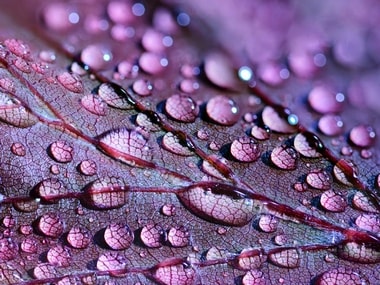 Macro Photography[/caption] Macro photography can be extremely rewarding, useful as an important tool in documentation and has a few other uses. Some people even go on to extreme levels and start using their DSLR as a digital microscope, but that’s a topic for another time. For now, let’s have a glance at what macro photography is and a few tricks to get started.What Is Macro Photography?It’s simple, really: capturing small objects up-close, with a lot of detail, is macro photography. The name macro comes from the fact that small objects are being reproduced up-close. Macro photography is quite common in all other categories as well: be it wildlife, products, abstract or stuff along similar lines, there’s always a situation where you can implement macro photography and get an interesting composition.I personally find working with tiny wildlife, like insects and snakes, etc, to be the most rewarding. There’s a lot of detail one can infer from subjects like the ones I’ve mentioned.
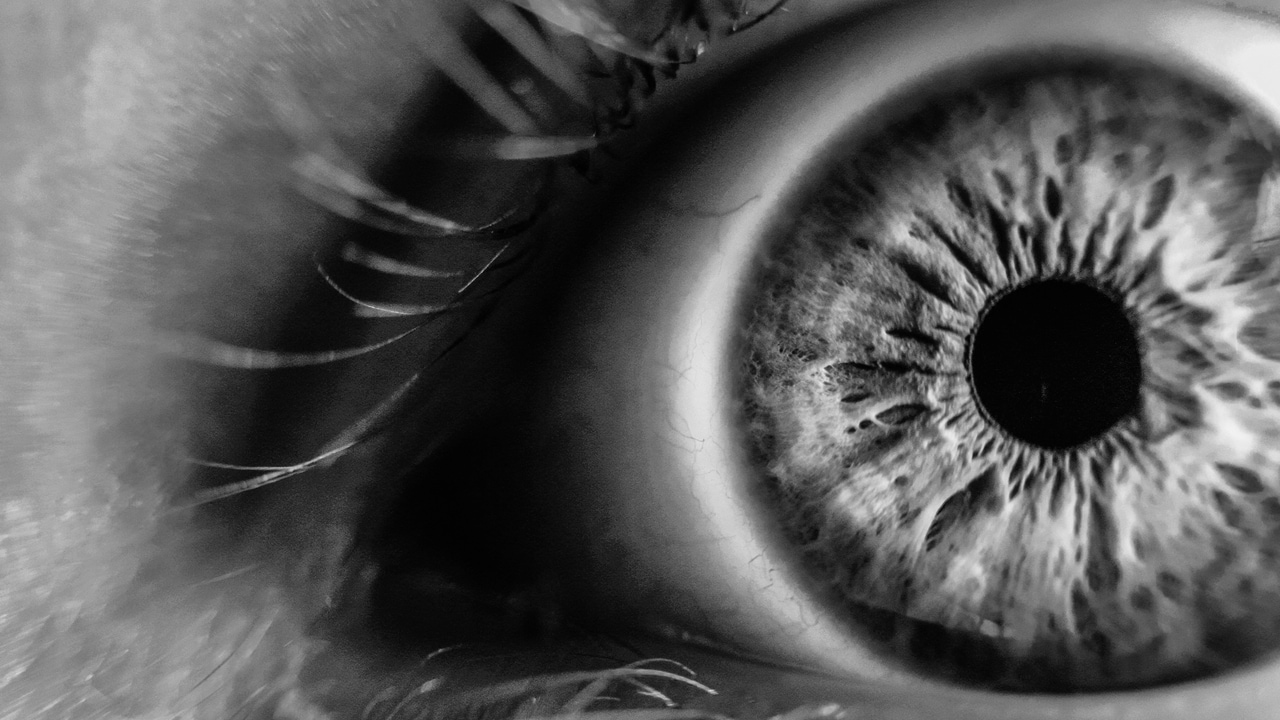 Some Basic Terminology:Macro photography and the eventual output of a photo comes down to a few things: the size of the sensor, the lens being used and their reproduction ratio. Macro photography has always mainly been about reproduction ratio. But what is this?Suppose you had a 35mm sensor or film. The ratio of the subject’s size on the sensor to the actual subject itself is called the reproduction ratio. In most ideal cases, this should be 1:1. That is to say, the size of the subject in real life and the size on the sensor are the same. This is generally referred to as true macro, and 1:1 lenses are a thing. However, most cameras generally offer a 1:2 or even 1:4 macro setting.Taking Macro Photos On Your Device: Here are a few more things to keep in mind when shooting macro:
- Closest focusing distance: the closest distance from your camera lens at which the subject is in focus. In some lenses, it may be a few mm, while other lenses(like a kit lens in a DSLR) can go up to a few cm.
- Lighting: lighting is crucial in macro photography. When you’re shooting up close, there tends to be a lot of wash-out that occurs, and light loss. If you’re shooting indoors, you’ll almost always need a separate light source. While some photographers are content with flash, others go one step further and get lighting solutions like a ring light that’s specifically meant for macro shots.
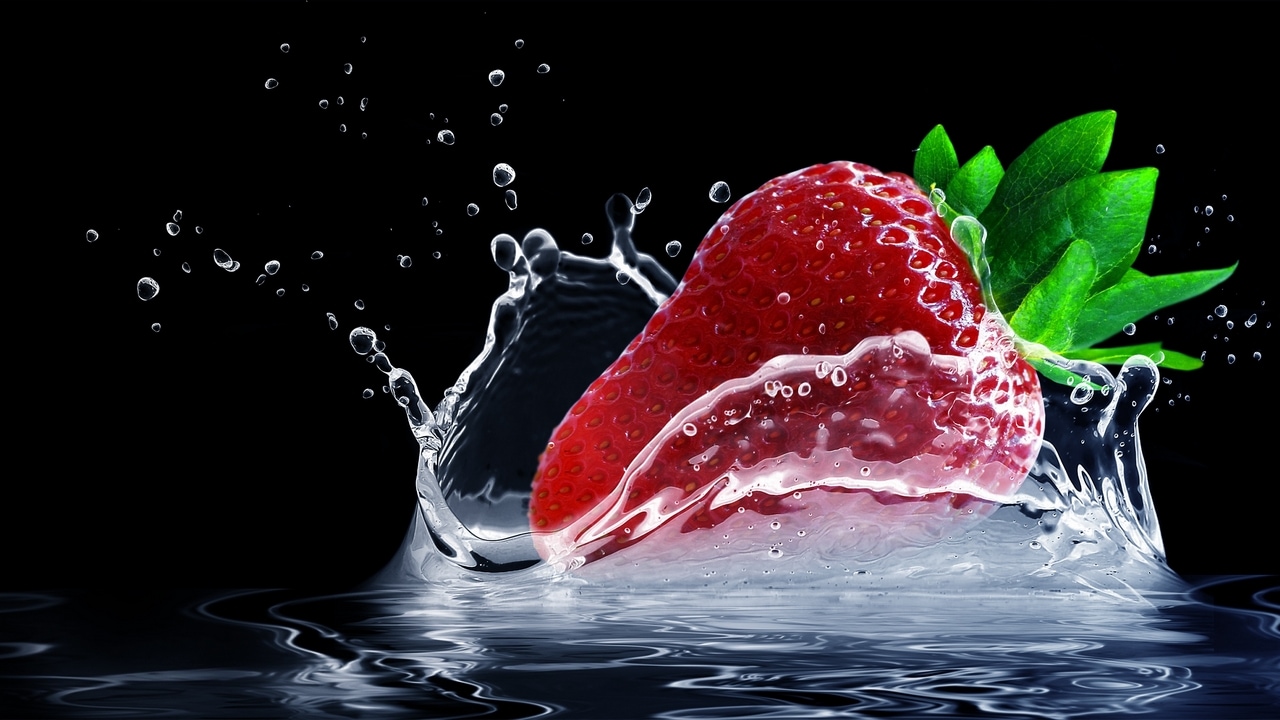 With that in mind, here are a few tips on shooting with various devices:
- Smartphone: taking macro shots with a smartphone can be tricky, but it’s possible. An advantage that smartphone users have is that it doesn’t take much to get up close to a subject with a smartphone. Some phones have a *true* macro mode where the lens is actually a close focusing lens by default, and you can get really close to the subject.In case your phone doesn’t have a macro mode, improvise: a lot of photographers use *hacks* like placing a close focusing lens in front of the camera lens, and in some cases, even using water droplets as makeshift lenses.
- Point and shoot: Again, most point-and-shoot cameras have a macro mode. The newer ones even come with an advanced macro mode where the tube of the lens extends out to give a 1:3 or 1:2 reproduction ratio.
- DSLR: As you’d expect with DSLRs, it’s not all that cheap to buy equipment for macro photography. Especially if you’re buying dedicated equipment like macro lenses and ring lights. However, that’s not to say photos aren’t possible with basic equipment. Hacks like reverse lens photography, using extension tubes and placing close-focusing lenses in front of your main lens are all easy DIY hacks that don’t cost much at all(some are free!) that also teach you a thing or two about your camera.
First Published:Jan 14, 2018, 10:44:53 IST
Advertisement
Advertisement

Why AI notetakers are raising serious privacy and security concerns
AI notetakers promise effortless meeting summaries, but experts warn they could expose confidential conversations, corporate secrets and personal voiceprints. As businesses increasingly adopt AI-powered meeting assistants, questions over data storage, privacy, consent and legal risks are becoming impossible to ignore
5 min read
China's low-cost AI models are changing the global AI race. Here's why Silicon Valley is worried
As Chinese firms continue to improve performance while keeping prices low, the AI race is no longer just about building the smartest model—it is increasingly becoming a battle over who can deliver the best value
2 min read
China's Kimi K3 challenges US AI leaders with frontier-level performance at lower cost
Chinese artificial intelligence startup Moonshot AI has unveiled its latest open-weight AI model, Kimi K3, with early results suggesting it could compete with some of the world's most advanced AI systems developed by leading US companies
2 min read
How did Instagram run ads promoting child abuse in India?
India has issued a notice to Meta after an investigation alleged that Instagram displayed paid advertisements promoting child sexual abuse material. MeitY ordered Meta to remove such Instagram ads and explain within seven days how they were approved
8 min read
Why has India halted WhatsApp’s username feature before launch?
India has halted WhatsApp’s planned username feature, citing concerns about cybercrime, impersonation, and law enforcement challenges. As Meta races to address security concerns, here’s why MeitY has paused the rollout, what the feature does, and how it could influence privacy and online safety in India
3 min read
Advertisement
Advertisement