
Advertisement


Sections
Tesla CEO Elon Musk sued by US SEC for fraud and issuing 'misleading' statements
SEC said Musk issued "false and misleading" statements and failed to properly notify regulators.

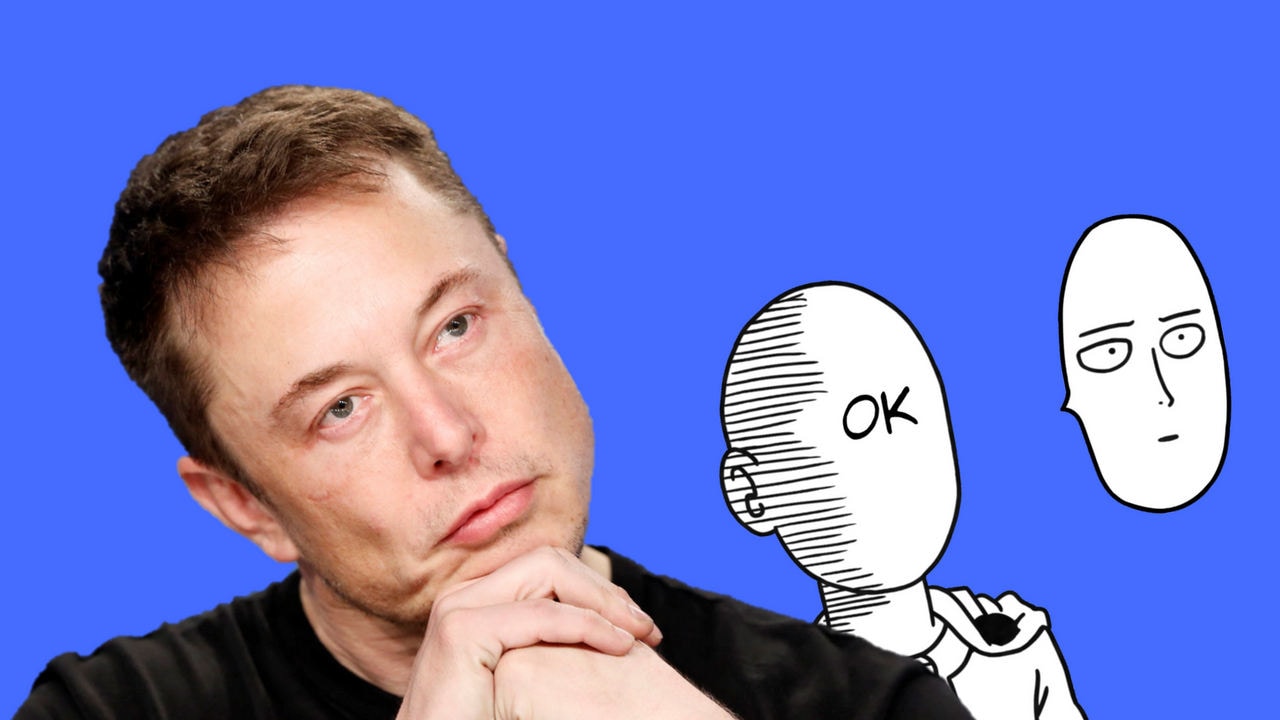
The Securities and Exchange Commission on Thursday presented charges against the founder of Tesla Inc., Elon Musk, accusing him of fraud after last month he announced on Twitter that he was planning to take the automaker private.The SEC, which filed its lawsuit in a New York court, says that Musk issued "false and misleading" statements and failed to properly notify regulators of important company events, Efe reported.After news broke of the SEC suit, shares of Tesla plunged 10.63 percent in after-market trading and are currently about 30 percent below the highest value they reached last year of $387.46.[caption id="attachment_4932231" align="alignnone" width="1280"]![Elon Musk. Image: Tech2]() Elon Musk. Image: Tech2[/caption]The accusations come less than two months after Musk posted his tweet on 7 August announcing that he was considering taking Tesla private at a price of $420 per share and claiming that he had found guaranteed financing for the deal."Am considering taking Tesla private at $420. Funding secured," tweeted Musk.After the unusual announcement, Tesla shares rose precipitously in price in just minutes, climbing more than 7 percent and closing the trading session 11 percent higher.After the initial tweet, Musk posted subsequent tweets and reemphasized his intention to take the firm private, and the SEC cited those additional tweets in its complaint as additional misleading statements.The SEC contends that Musk did not ask Tesla shareholders to approve the key terms of taking the firm private.The SEC says in its complaint that "Musk knew that he (1) had not agreed upon any terms for a going-private transaction with the Fund or any other funding source; (2) had no further substantive communications with representatives of the Fund beyond their 30 to 45 minute meeting on July 31; (3) had never discussed a going-private transaction at a share price of $420 with any potential funding source."Under current US law, company officials are responsible for erroneous statements they make regarding their firms or omitting information needed by investors or shareholders to make an informed decision about their interests in the firm.The SEC does permit the use of social networks by firms to disseminate information under the condition that the decision to do so be communicated to shareholders.
Elon Musk. Image: Tech2[/caption]The accusations come less than two months after Musk posted his tweet on 7 August announcing that he was considering taking Tesla private at a price of $420 per share and claiming that he had found guaranteed financing for the deal."Am considering taking Tesla private at $420. Funding secured," tweeted Musk.After the unusual announcement, Tesla shares rose precipitously in price in just minutes, climbing more than 7 percent and closing the trading session 11 percent higher.After the initial tweet, Musk posted subsequent tweets and reemphasized his intention to take the firm private, and the SEC cited those additional tweets in its complaint as additional misleading statements.The SEC contends that Musk did not ask Tesla shareholders to approve the key terms of taking the firm private.The SEC says in its complaint that "Musk knew that he (1) had not agreed upon any terms for a going-private transaction with the Fund or any other funding source; (2) had no further substantive communications with representatives of the Fund beyond their 30 to 45 minute meeting on July 31; (3) had never discussed a going-private transaction at a share price of $420 with any potential funding source."Under current US law, company officials are responsible for erroneous statements they make regarding their firms or omitting information needed by investors or shareholders to make an informed decision about their interests in the firm.The SEC does permit the use of social networks by firms to disseminate information under the condition that the decision to do so be communicated to shareholders.
 Elon Musk. Image: Tech2[/caption]The accusations come less than two months after Musk posted his tweet on 7 August announcing that he was considering taking Tesla private at a price of $420 per share and claiming that he had found guaranteed financing for the deal."Am considering taking Tesla private at $420. Funding secured," tweeted Musk.After the unusual announcement, Tesla shares rose precipitously in price in just minutes, climbing more than 7 percent and closing the trading session 11 percent higher.After the initial tweet, Musk posted subsequent tweets and reemphasized his intention to take the firm private, and the SEC cited those additional tweets in its complaint as additional misleading statements.The SEC contends that Musk did not ask Tesla shareholders to approve the key terms of taking the firm private.The SEC says in its complaint that "Musk knew that he (1) had not agreed upon any terms for a going-private transaction with the Fund or any other funding source; (2) had no further substantive communications with representatives of the Fund beyond their 30 to 45 minute meeting on July 31; (3) had never discussed a going-private transaction at a share price of $420 with any potential funding source."Under current US law, company officials are responsible for erroneous statements they make regarding their firms or omitting information needed by investors or shareholders to make an informed decision about their interests in the firm.The SEC does permit the use of social networks by firms to disseminate information under the condition that the decision to do so be communicated to shareholders.
First Published:Sep 28, 2018, 07:51:41 IST
Advertisement
Advertisement

Why AI notetakers are raising serious privacy and security concerns
AI notetakers promise effortless meeting summaries, but experts warn they could expose confidential conversations, corporate secrets and personal voiceprints. As businesses increasingly adopt AI-powered meeting assistants, questions over data storage, privacy, consent and legal risks are becoming impossible to ignore
5 min read
China's low-cost AI models are changing the global AI race. Here's why Silicon Valley is worried
As Chinese firms continue to improve performance while keeping prices low, the AI race is no longer just about building the smartest model—it is increasingly becoming a battle over who can deliver the best value
2 min read
China's Kimi K3 challenges US AI leaders with frontier-level performance at lower cost
Chinese artificial intelligence startup Moonshot AI has unveiled its latest open-weight AI model, Kimi K3, with early results suggesting it could compete with some of the world's most advanced AI systems developed by leading US companies
2 min read
How did Instagram run ads promoting child abuse in India?
India has issued a notice to Meta after an investigation alleged that Instagram displayed paid advertisements promoting child sexual abuse material. MeitY ordered Meta to remove such Instagram ads and explain within seven days how they were approved
8 min read
Why has India halted WhatsApp’s username feature before launch?
India has halted WhatsApp’s planned username feature, citing concerns about cybercrime, impersonation, and law enforcement challenges. As Meta races to address security concerns, here’s why MeitY has paused the rollout, what the feature does, and how it could influence privacy and online safety in India
3 min read
Advertisement
Advertisement