


Sundar Pichai accused of meeting Pentagon officials over an AI drone system
Google had decided not to renew the project with the US Defence Department after it expires in 2019.

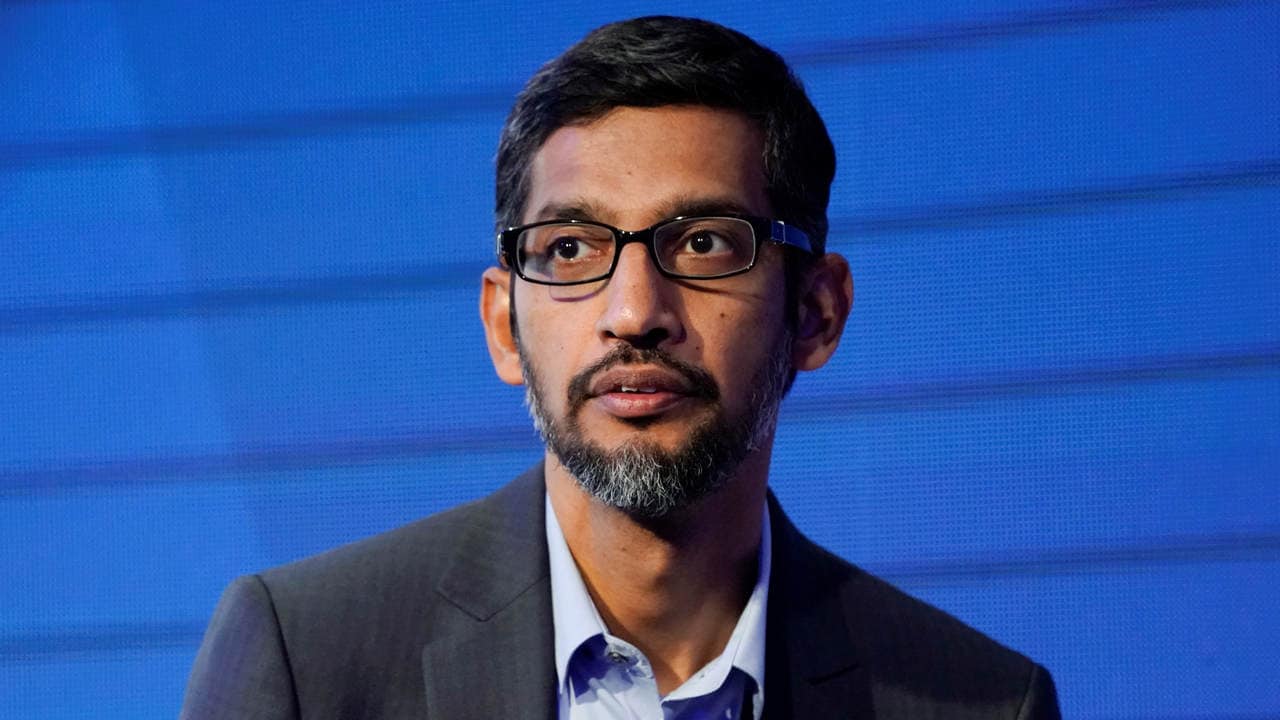
Sundar Pichai, Chief Executive Officer of Google. Image: Reuters[/caption]Google did not make any comment on this report.After facing backlash over its involvement in the Pentagon project "Maven", Pichai in June emphasised that the company will not work on technologies that cause or are likely to cause overall harm.About 4,000 Google employees had signed a petition demanding "a clear policy stating that neither Google nor its contractors will ever build warfare technology".Following the anger, Google decided not to renew the project with the US Defence Department after it expires in 2019."We will not design or deploy AI in weapons or other technologies whose principal purpose or implementation is to cause or directly facilitate injury to people," Pichai had said.We will not pursue AI in "technologies that gather or use information for surveillance violating internationally accepted norms," the Indian-born CEO added.Pichai noted that "while we are not developing AI for use in weapons, we will continue our work with governments and the military in many other areas like cybersecurity, training, military recruitment, veterans' health care, and search and rescue".Pichai last week met Republican lawmakers and agreed to testify before the House Judiciary Committee in November to allay concerns over privacy issues and the tech giant's entry into the Chinese market.

Why AI notetakers are raising serious privacy and security concerns
China's low-cost AI models are changing the global AI race. Here's why Silicon Valley is worried
China's Kimi K3 challenges US AI leaders with frontier-level performance at lower cost
How did Instagram run ads promoting child abuse in India?
Why has India halted WhatsApp’s username feature before launch?