


Sri Lanka lifts ban on social media imposed after Easter Sunday bombings
The ban on social media platforms had been applied in the immediate aftermath of the attacks.

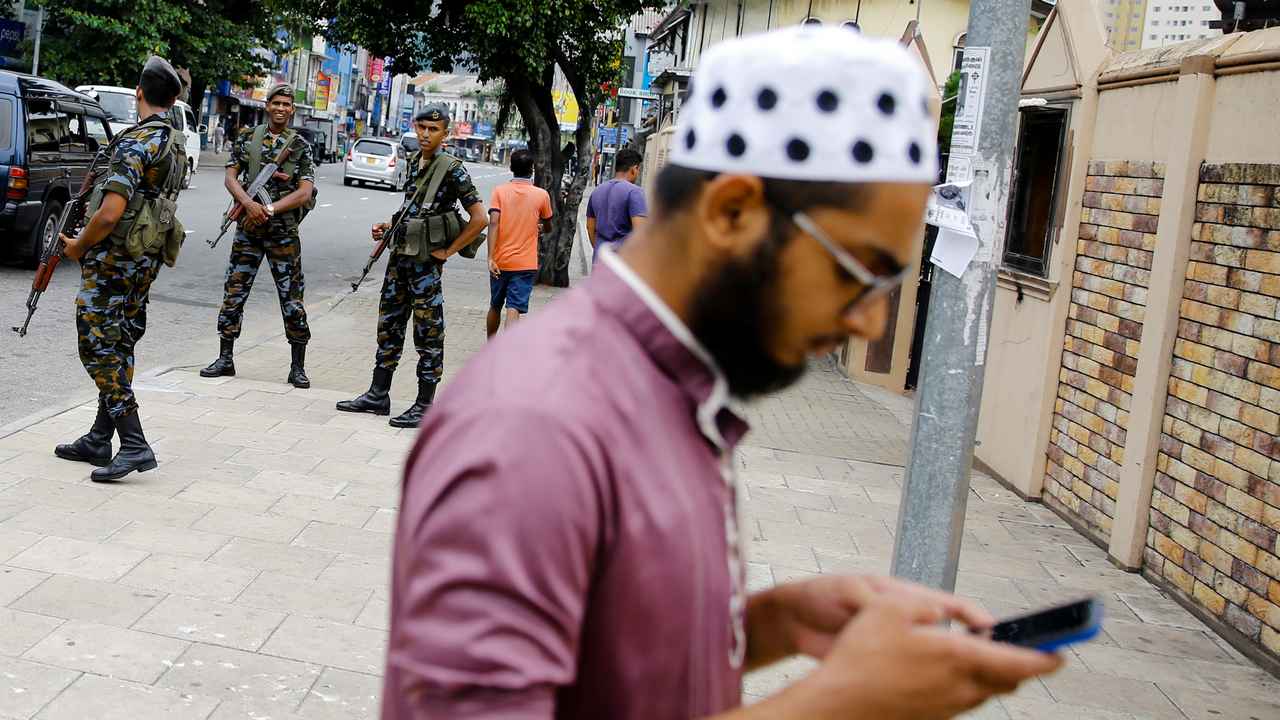
Security forces patrol a street in Colombo, days after a string of suicide bomb attacks across the island on Easter Sunday. Reuters[/caption]"The decision to ban social media was taken immediately after the attacks. Now after analysing (the situation), the government is of the view that it can be lifted," Kaluwewa told Efe."Further, we have to look at returning to normalcy and this decision (to revoke the ban) was connected to that as well."However, he warned that "whoever shares misinformation has to take responsibility for whatever they share"."Under the emergency regulations which are in force, the spreading of misinformation can be addressed and action can be taken against those who share such matter," Kaluwewa added.Immediately after the bombings, authorities declared a state of emergency on the island and blocked social media services and messaging apps such as Facebook, WhatsApp, Viber, and Snapchat, arguing that such platforms were being used to spread misinformation and rumours across cyberspace to trigger violence.

Why AI notetakers are raising serious privacy and security concerns
China's low-cost AI models are changing the global AI race. Here's why Silicon Valley is worried
China's Kimi K3 challenges US AI leaders with frontier-level performance at lower cost
How did Instagram run ads promoting child abuse in India?
Why has India halted WhatsApp’s username feature before launch?