


Researchers to use VR to predict who is more likely to undergo cybersickness
Cybersickness involves nausea that can last for hours after participating in VR applications.

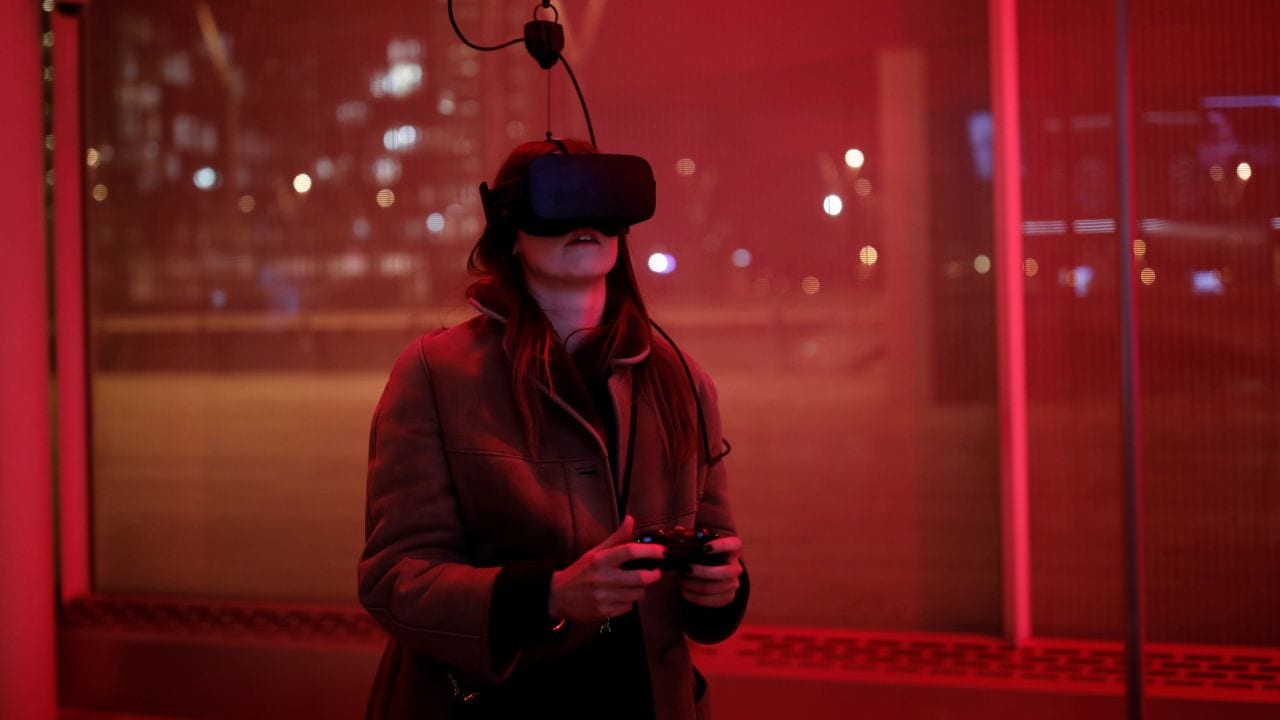
Representational image. Reuters[/caption]"Despite decreased costs and significant benefits offered by VR, a large number of users are unable to use the technology for more than a brief period because it can make them feel sick," said lead author Seamas Weech from the varsity."Our results show that this is partly due to differences in how individuals use vision to control their balance. By refining our predictive model, we will be able to rapidly assess an individual's tolerance for virtual reality and tailor their experience accordingly," Weech added.For the study, published in the Journal of Neurophysiology, the researchers collected several sensorimotor measures, such as balance control and self-motion sensitivity, from a small group of healthy participants aged 18-30.The researchers then exposed the participants to VR with the aim of predicting the severity of motion sickness.Using a regression model, they significantly predicted how much cybersickness participants experienced after being exposed to a zero-gravity space simulator in VR."Knowing who might suffer from cybersickness, and why, allows us to develop targeted interventions to help reduce, or even prevent, the onset of symptoms," said senior author Michael Barnett-Cowan, Professor at the varsity."Considering this technology is in a growth phase with industries such as gaming, design, medicine and automotive starting to use it, understanding who is negatively impacted and how to help them is crucial," he added.

Why AI notetakers are raising serious privacy and security concerns
China's low-cost AI models are changing the global AI race. Here's why Silicon Valley is worried
China's Kimi K3 challenges US AI leaders with frontier-level performance at lower cost
How did Instagram run ads promoting child abuse in India?
Why has India halted WhatsApp’s username feature before launch?