


Researchers create "golden potato" that can reduce diseases in developing nations
Potato is the most consumed plant food worldwide after rice, wheat and corn.

Researchers have engineered a potato in a lab that has the potential to reduce malnutrition and diseases in developing nations. The potatoes contain a higher amount of vitamins A and E than regular potatoes, and are yellow in colour, because of which they are referred to as "golden potatoes". A 150 gram serving of the golden potato to a child can deliver up to 45 percent of the daily recommended intake of vitamin A and 34 percent of the recommended intake of vitamin E. The same amount can deliver 15 percent of the daily recommended intake of vitamin A and 17 percent of the recommended intake of vitamin E to women of reproductive age.[caption id="attachment_4216027" align="alignleft" width="380"]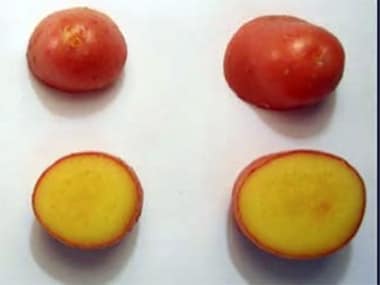 Image: Ohio State University[/caption]Study author Mark Failla says, "More than 800,000 people depend on the potato as their main source of energy and many of these individuals are not consuming adequate amounts of these vital nutrients. These golden tubers have far more vitamin A and vitamin E than white potatoes, and that could make a significant difference in certain populations where deficiencies – and related diseases – are common."The researchers were trying to engineer a potato that primarily provided more vitamin A, but were pleasantly surprised when the resulting vegetable also contained a high amount of vitamin E. The study has been published in PLOS ONE.Potato is the most consumed plant food worldwide after rice, wheat and corn. Vitamin A deficiency is the leading cause of preventable blindness in children, and vitamin E protects the nerves, muscles and the immune system. As a staple part of the diet in developing nations, where residents depend on starchy foodstuff for sustenance, the golden potato has the potential to prevent death and diseases.

Why AI notetakers are raising serious privacy and security concerns
China's low-cost AI models are changing the global AI race. Here's why Silicon Valley is worried
China's Kimi K3 challenges US AI leaders with frontier-level performance at lower cost
How did Instagram run ads promoting child abuse in India?
Why has India halted WhatsApp’s username feature before launch?