


Realme, Honor, Poco and more: Smartphone sub brands are the latest fad, but why?
One odd common trait among these rising sub-brands like Poco, Honor or Realme is that they’re all Chinese

The smartphone business is sinking.For the fifth consecutive quarter, global sales plummeted in Q4 2018. Reports suggest these results portend further declines and analysts expect this year to be no different.But if a few recent trends are any indication, phone makers have trained their sights on putting an end to the slump. Companies have begun to aggressively explore several new, experimental avenues to spark interest again and more importantly, convince users to upgrade. And one of them, as it turns out, is splitting product lineups into sub-brands.
The rise of the sub-brand
[caption id="attachment_6345361" align="alignnone" width="1200"]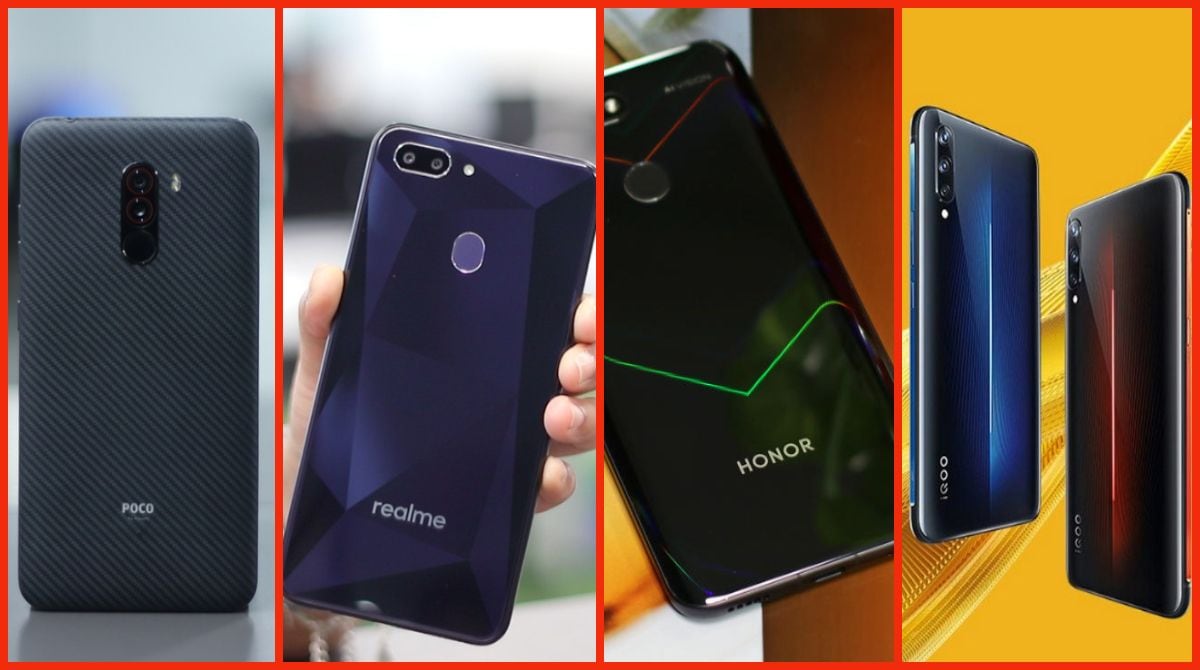
Poco, Realme, honor, iQOO, the sub-brands of Xiaomi, Oppo, Huawei and Vivo.[/caption]In the last few years, smartphone sub-brands have emerged in droves. Despite speculations, though, it’s been a rather successful pivot for many. Oppo has managed to climb back on the leaderboards in India with Realme. Huawei’s Honor has remained one of the most consistent presences in the budget segment for nearly half a decade. Xiaomi’s Poco has bagged numerous accolades ever since its introduction in 2018.On the surface, however, it’s difficult to perceive the ins and outs of sub-brands. After all, it seems like a valid argument to ask why a well-established company would not leverage its existing brand name and instead, spend resources to build a new one from scratch?It gets even more complex when you consider the fact that the smartphone market is no stranger to such dual-brand strategies. A host of manufacturers have tried their hand at the approach in the past without much luck. Remember when Lenovo sold phones both under the Lenovo and Moto names? Or when Micromax and Yu were the talks of the town.
Smartphone sub-brands: Why now and why at all?
The game of perception
That’s not all. Sub-brands can also be meant to break predetermined stigmas instead of safeguarding the head.Vivo, for instance, isn’t normally associated with the high-end. Hence, the company went ahead and announced its first sub-brand called iQOO. It will bring premium flagships under iQOO and essentially try to make a mark where it couldn’t otherwise. Xiaomi’s Poco is roughly the same story, but the gap isn’t as wide as what Vivo is attempting for.One odd common trait among these rising sub-brands like Poco, Honor or Oppo’s now independent Realme is that they’re all Chinese.A shrinking base surely impacts all the players, right? The question remains then, why haven’t the others like Samsung — which lost the pole position in the second biggest smartphone market after years of reign — not jumped on the sub-brand bandwagon yet?The reason for that is rather straightforward. Veteran brands such as Samsung don’t require constant refreshers to revitalise their presence. A bunch of flops won’t severely tarnish their names. I’m sure we can recall the Galaxy Note 7 debacle, right? Yes, it was an embarrassment for Samsung, but not for long. The Galaxy S8/S8+ followed by Note 8 undid all the damage suffered post the Note 7 recall.[caption id="attachment_4072271" align="alignnone" width="1280"]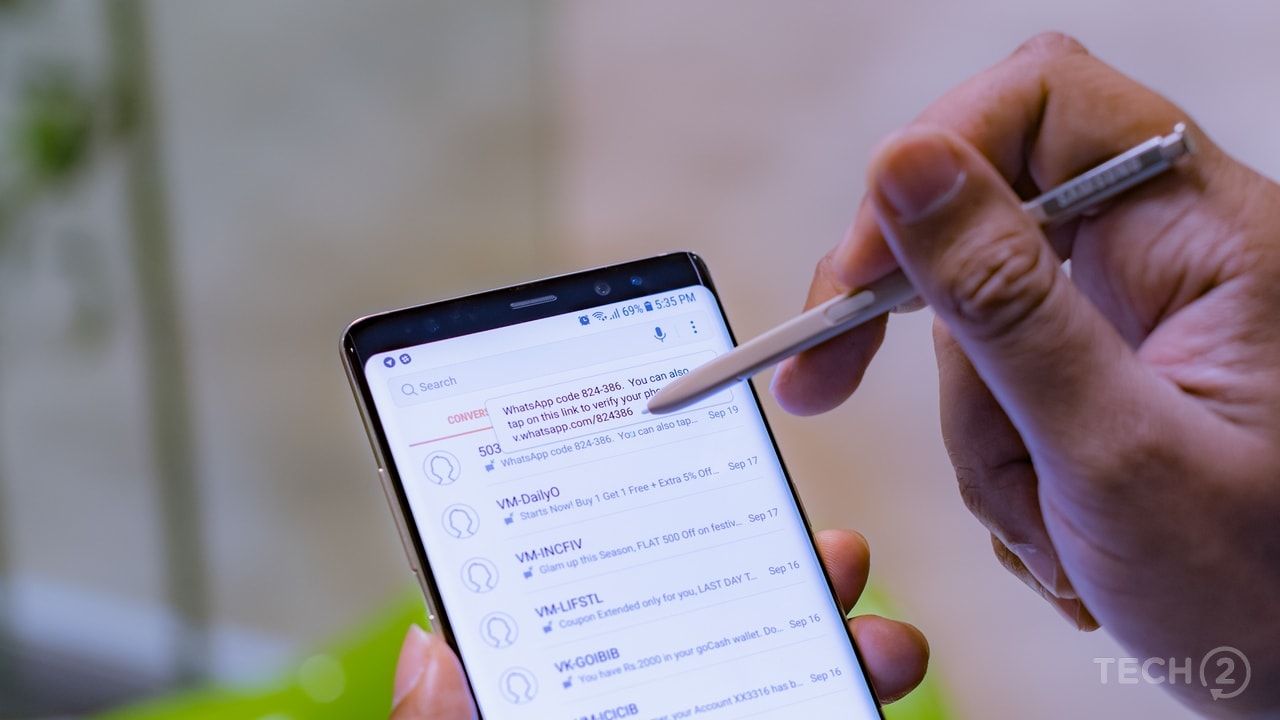
The Samsung Galaxy Note 8. Image: Tech2/Rehan Hooda[/caption]Yes, they’ll lose the numbers, but a competent comeback is all they would need to retaliate and regain lost ground. Whereas companies like Oppo, Vivo and so on, carry much frailer identities. Another factor to take into account is that the regions where Chinese phone makers have the most sales are the fiercest ones as far as competition is concerned than say the United States. In the vast Android smartphone space, brand loyalty isn't as strong as it with say an Apple device. A Samsung user, could very well opt for a Xiaomi phone next and then go for an Oppo device.Singh agrees. “While the China-based brands established themselves very quickly in India market, their brands are certainly not as strong as Samsung, so they need to infuse freshness regularly to find new pockets and segments of growth specifically in India, without cannibalising their original brand, which generally follows same brand strategy globally,” said Singh.Poco/Redmi, Realme, Vivo declined from participating in the story.Like any other trend in the smartphone business, a few sub-brands are indeed just sheep following the herd. However, since it’s not as easy as putting notches on screens, the majority of sub-brands are results of extensive research.The whole concept essentially narrows down to manipulating brand perception. It’s either about going places where the parent brand cannot in its current state or staying where it is today whilst continuing to progress and experiment.There are a ton of more sub-brands expected in the coming quarters as companies try to streamline their lineups and capitalise on the growing niches including mobile gaming. Whether they end up being casualties of a harsh market or propel their parent out of the downturn blues, remains to be seen.The author is a freelance technology journalist from Ahmedabad. He tweets from @phonesoldier
The author is a freelance technology journalist from Ahmedabad. He tweets from @phonesoldier

Why AI notetakers are raising serious privacy and security concerns
China's low-cost AI models are changing the global AI race. Here's why Silicon Valley is worried
China's Kimi K3 challenges US AI leaders with frontier-level performance at lower cost
How did Instagram run ads promoting child abuse in India?
Why has India halted WhatsApp’s username feature before launch?