


RBI lays down guidelines to allow seamless payments among various mobile wallets
Digital wallets can now use a state-backed payments network that makes peer-to-peer payments instant.

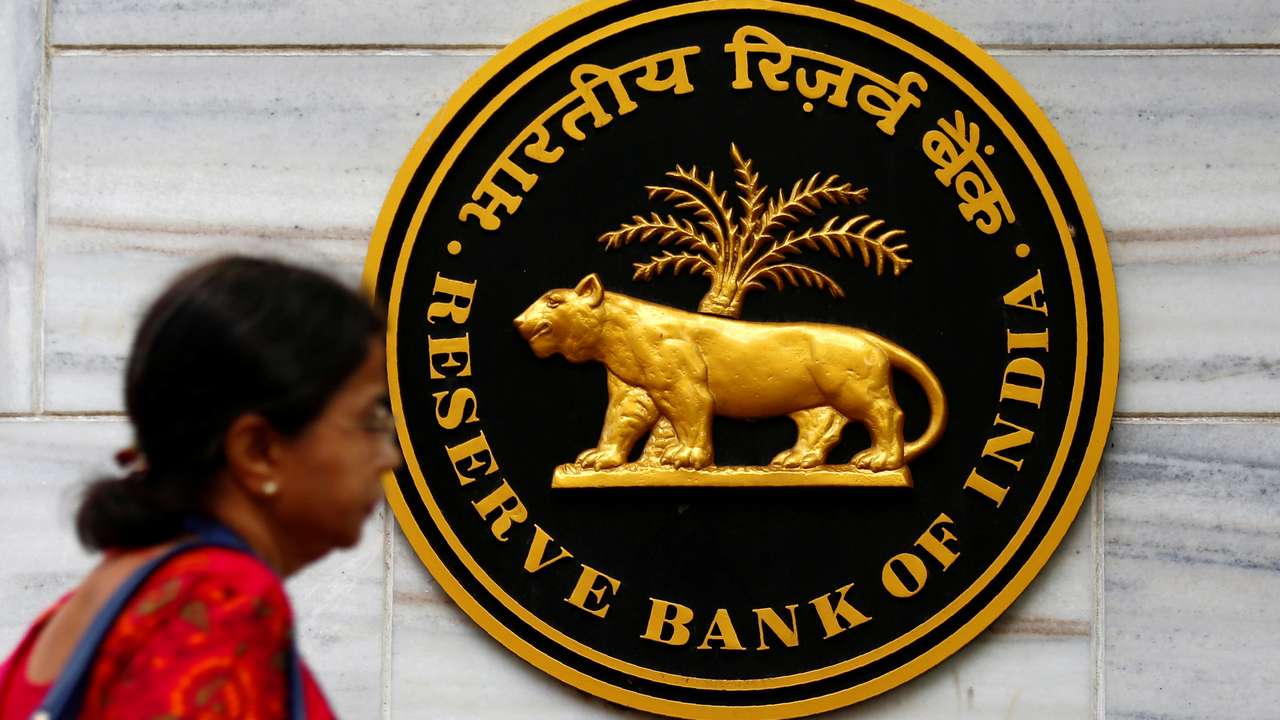
A woman walks past the Reserve Bank of India (RBI) head office in Mumbai, India, December 6, 2017.[/caption]Mobile wallets such as the one run by SoftBank and Alibaba-backed Paytm have become popular in India after a ban on high-value currency in late 2016 pushed people to pay digitally. Mobile wallets currently do not allow users to send or receive money from a wallet run by another firm.Digital wallet companies, if they so desire, can now use a state-backed payments network that makes peer-to-peer payments instant, to make wallets inter-operable, the Reserve Bank of India said on Tuesday.“It’s going to increase the growth rate of digital payments in India even faster and, of course, create more business opportunities,” said Upasna Taku, co-Founder of fintech firm MobiKwik, which operates a wallet.Digital payments in India are projected to grow five-fold to about $1 trillion by 2023, according to Credit Suisse.

Why AI notetakers are raising serious privacy and security concerns
China's low-cost AI models are changing the global AI race. Here's why Silicon Valley is worried
China's Kimi K3 challenges US AI leaders with frontier-level performance at lower cost
How did Instagram run ads promoting child abuse in India?
Why has India halted WhatsApp’s username feature before launch?