


Qualcomm investors drop bid for $44 billion NXP deal due by China-US trade tensions

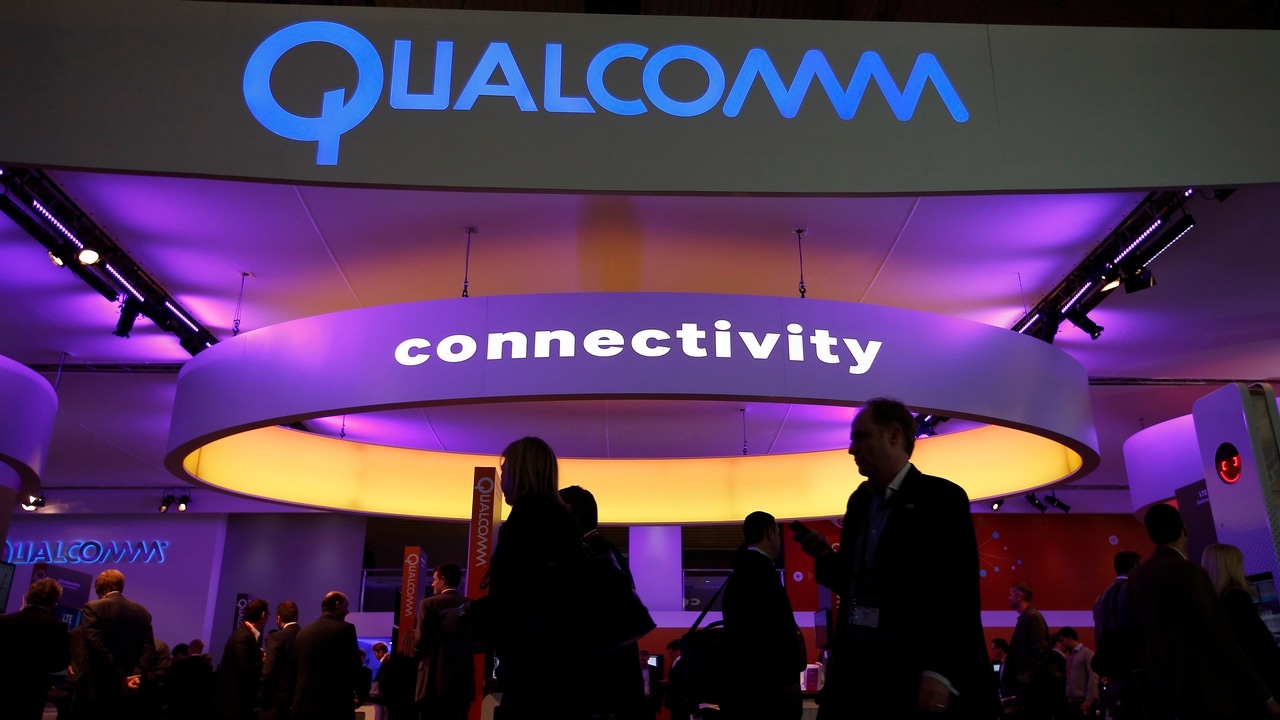
Visitors walk past the Qualcomm stand at the Mobile World Congress in Barcelona, February 24, 2014. The world's biggest mobile brands will jostle for the spotlight at the premier mobile industry event this week in Spain, but away from the glitzy displays chipmakers will be preoccupied with China, the largest mobile market on the planet. REUTERS/Albert Gea (SPAIN - Tags: BUSINESS TELECOMS) - GM1EA2O1FFY01[/caption]The collapse of what would have been the largest-ever merger of two chip companies may discourage other US firms hoping to buy into China’s huge developing markets and companies, although technology deals seemed the main concern.“We obviously got caught up in something that was above us,” Qualcomm chief executive Steve Mollenkopf said in an interview after the announcement.“We think moving on, reducing the amount of uncertainty in the business and increasing the focus is the right thing to do with the company.”Qualcomm needed approval from China, the last of nine global regulators to be consulted, because the country accounted for nearly two-thirds of its revenue last year.Barring a last-minute reprieve, the chipmaker said in its results release it would make good on a pledge with NXP to call off the merger if it had not won Chinese regulatory approval by 23:59 Eastern US time on 25 July.Qualcomm forecast fourth-quarter revenue of $5.1 billion to $5.9 billion, and adjusted earnings of 75 to 85 cents per share. Analysts were expecting forecasts of $5.45 billion and 76 cents respectively, according to Thomson Reuters.NXP Semiconductors shares fell almost 4 percent to $94.50.Trump's RoleMoves by the Trump administration have played an outsised role in Qualcomm’s fate, and there had been expectations that the lifting of a ban on US chipmakers doing business with China’s ZTE Corp would clear the way for the NXP deal.Dealmakers advising on mergers and acquisitions hoped the fallout would be limited to the technology sector in which China is racing for primacy against the United States.United Technologies chief Gregory Hayes said earlier this week that the industrial conglomerate was on track with regulatory approvals to close its $23 billion acquisition of US airplane-parts maker Rockwell Collins, seeking to quell fears that China could delay its review.No other major semiconductor deal is pending. Broadcom, whose $117 billion hostile bid for Qualcomm was blocked by the United States in March on national security grounds, says its $19 billion purchase of US software company CA Technologies does not require China’s blessing.For Qualcomm, the deal’s demise means it will have to focus on expanding beyond making mobile chips.Qualcomm predicted on 25 July that Apple would drop the company’s chips from its next-generation iPhones in favour of modems from Intel, the latest sign of fallout from their acrimonious battle over pricing and licensing costs. Qualcomm’s revenue projections had already assumed it would gain no new revenue from Apple.Intel and Apple both declined to comment.Qualcomm sold $3 billion of chips last year for non-phone use, up 75 percent from two years ago. It has a $5 billion “backlog” of chip sales to the automotive industry, in which NXP is also a dominant player, it said.

Why AI notetakers are raising serious privacy and security concerns
China's low-cost AI models are changing the global AI race. Here's why Silicon Valley is worried
China's Kimi K3 challenges US AI leaders with frontier-level performance at lower cost
How did Instagram run ads promoting child abuse in India?
Why has India halted WhatsApp’s username feature before launch?