


Juice jacking: Beware when charging your phone at public stations to avoid USB Charger scam
“A free charge could end up draining your bank account,” Luke Sisak, a deputy district attorney, said in a video posted online this month.

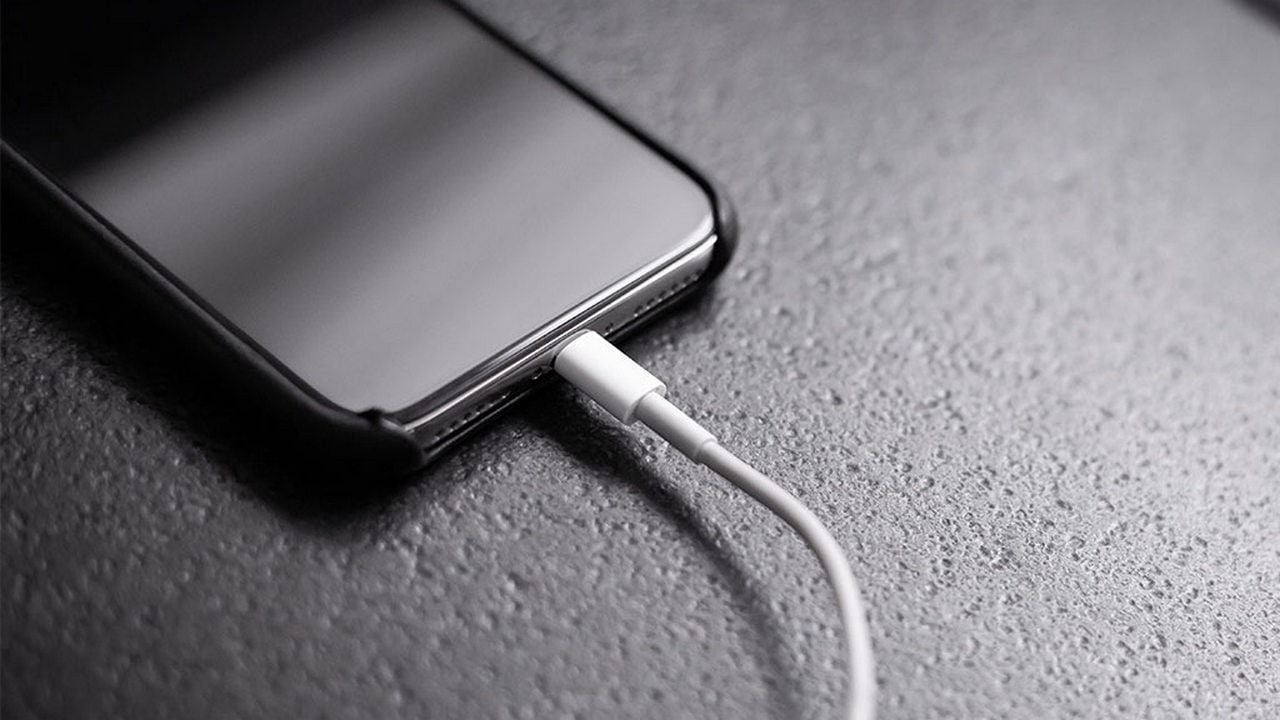
Apple iPhone X charging[/caption]“You can easily brand these things so you can make it look like any other cable,” he said, adding, “When people see it, they don’t really think or expect it to be malicious in any way.”Other ways to protect yourself include carrying your own charging wires, only charging directly from an electrical outlet and using portable batteries that were bought from known vendors, Arsene said.“Don’t believe everything you see, and don’t believe everything you get your hands on,” he said, noting that starting with Black Friday, if it looks too good to be true, it probably is.But it isn’t just cables that pose a risk for tech consumers; it’s the ports, too.Like scammers who steal debit card numbers by putting illegal card-reading devices, or skimmers, on ATMs, hackers can easily rip out USB ports and replace them with their own malicious hardware, said Vyas Sekar, a professor at CyLab, a security and privacy research institute at Carnegie Mellon University.“It’s easy to modify the outlet if the attacker has physical access,” Sekar said.Though Arsene and Sekar said they were unsure of how often hacking attacks like these happened, the growing ubiquity of USB charging ports in places like hotels, airports and public transportation has translated into an increased risk of falling victim to such scams.“People want the convenience of charging their phones and tablets wherever they go,” Sekar said, adding, “Obviously I would like it too, but there is a risk.”Sekar said consumers could also use attachable protective devices on USB cables known as “USB condoms.”“What they do is a very simple trick,” he said. “They essentially disable the data pin on the USB charger.”This means that the device will charge, but the cable will be unable to send or receive data.“For less than 5 bucks you can buy it,” he said, “and that can actually save you.”The Los Angeles County district attorney’s office echoed cybersecurity experts in its tips for consumers, including using a power outlet and not a USB charging station, carrying your own AC and car chargers and keeping a portable charger for emergencies.Aimee Ortiz c.2019 The New York Times Company

Why AI notetakers are raising serious privacy and security concerns
China's low-cost AI models are changing the global AI race. Here's why Silicon Valley is worried
China's Kimi K3 challenges US AI leaders with frontier-level performance at lower cost
How did Instagram run ads promoting child abuse in India?
Why has India halted WhatsApp’s username feature before launch?