


Is Facebook really working to keep its users safe from fake, abusive content?
The TV report on Channel 4 in the UK raised questions about the policies and processes of Facebook.

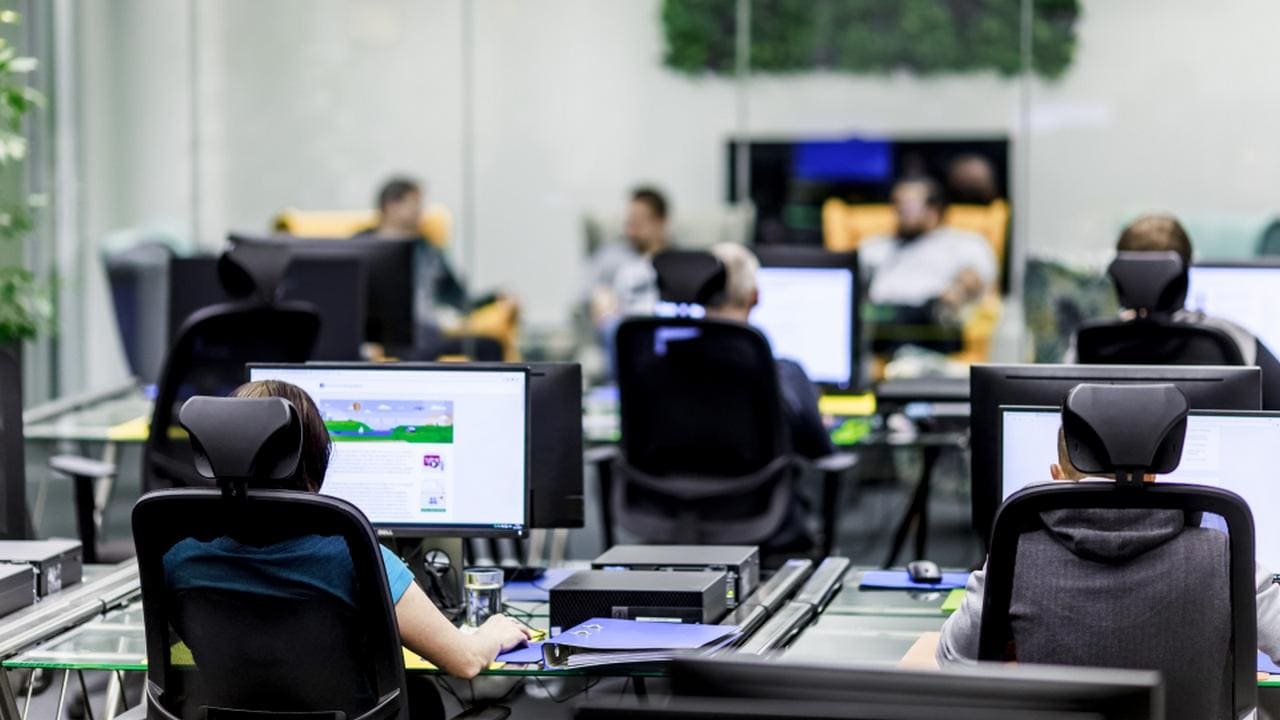
Facebook Content reviewers in Essen, Germany. Image: Facebook Newsroom[/caption]According to Monika Bickert, the Vice President of Global Policy Management of Facebook says in a report that Facebook has drawn out clear rules jotting down what's acceptable on the platform, but they always don't get it right.The TV report on Channel 4 in the UK, raised important questions with respect to the policies and processes, including the guidance given during the training sessions in Dublin.Monika Bickert answering to this report says that, "We take these mistakes incredibly seriously and are grateful to the journalists who brought them to our attention. We have been investigating exactly what happened so we can prevent these issues from happening again. For example, we immediately required all trainers in Dublin to do a re-training session — and are preparing to do the same globally. We also reviewed the policy questions and enforcement actions that the reporter raised and fixed the mistakes we found."Facebook also states that it includes opinions from experts like people from NGO's, academics and lawyers through the "three Facebook forums" they've hosted in Europe in May.The social media platform also says that it has teams to help them manage and review content from various companies who work 24/7 across the globe. Also, they plan on doubling the number of people working on their safety and security teams this year to 20,000.It says that they have also started to use technology to assist in sending reports to reviewers with the right expertise, to cut out duplicate reports, and to help detect and remove terrorist propaganda and child sexual abuse images before they’ve even been reported.But how is Facebook planning to fix the issue of taking hard judgement calls and deciding to take down posts on complex issues from bullying, hate speech, terrorism to war crimes from the grass-root level? Is the question that still remains.

Why AI notetakers are raising serious privacy and security concerns
China's low-cost AI models are changing the global AI race. Here's why Silicon Valley is worried
China's Kimi K3 challenges US AI leaders with frontier-level performance at lower cost
How did Instagram run ads promoting child abuse in India?
Why has India halted WhatsApp’s username feature before launch?