


Iran plans to use facial recognition technology to identify and prosecute women without hijabs
There is a suspicion that Iran might already be using facial recognition technology to prosecute women, and that Jina Mahsa Amini, may have been arrested because of Iran’s use of facial recognition.

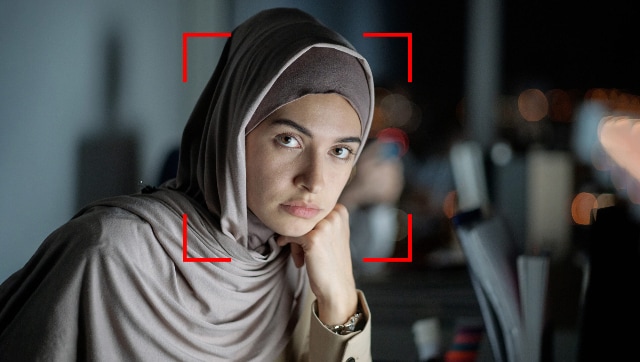
There is a suspicion that Iran might already be using facial recognition technology to prosecute women, and that Jina Mahsa Amini, may have been arrested because of Iran’s use of facial recognition. Image Credit: Pexels[/caption]Critics of facial recognition technology have rightfully pointed out how the tech may be misused in regimes with authoritarian undertones in order to keep their citizens in check. Iran is just the latest in a long list of authoritarian countries to do so.Iranian lawmakers suggested last year that face recognition should be used to police hijab law, the head of an Iranian government agency that enforces morality law said in a September interview that the technology would be used “to identify inappropriate and unusual movements,” including “failure to observe hijab laws.” Individuals could be identified by checking faces against a national identity database to levy fines and make arrests, he said.Since September 2022, the nation has had violent protests in opposition to the hijab legislation, which mandates that women cover their faces in public. The so-called morality police in Iran zealously enforce this rule, and women who disobey it risk punishment. It all started with a 22-year-old Kurdish woman named Jina Mahsa Amini, who died in the custody of the Iranian morality police. She was detained by Iran’s morality police for not wearing a hijab tightly enough.Face comparisons in a national identity database might be used to identify women, and on the basis of such identification, fines and arrests could be imposed. According to Wired, the fact that so many women are being detained inside of their homes suggests that facial recognition may already be in use by Iranian officials.Mahsa Alimardani, who studies Iran's freedom of speech at the University of Oxford, recently learned of tales of Iranian women obtaining mail-order tickets for breaking the hijab rule even though they had never interacted with a law enforcement official. According to Alimardani, the Iranian government has spent years developing a computerised monitoring system. The nation's national identification database, created in 2015, contains biometric information, including as facial scans, and is used to create national ID cards and identify persons that the government deems rebels.

Why AI notetakers are raising serious privacy and security concerns
China's low-cost AI models are changing the global AI race. Here's why Silicon Valley is worried
China's Kimi K3 challenges US AI leaders with frontier-level performance at lower cost
How did Instagram run ads promoting child abuse in India?
Why has India halted WhatsApp’s username feature before launch?