


India's successfully launched GSAT-6A communications satellite was once embroiled in controversy
The two satellites 90 percent transponders were to be leased to Devas Multimedia Ltd by ISRO's commercial arm Antrix Corporation.

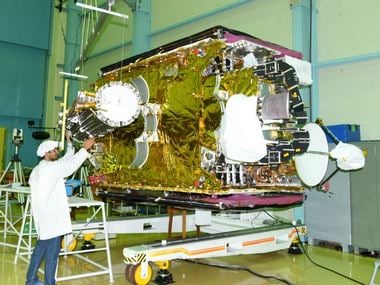
GSAT-6A. ISRO[/caption]The two satellites, weighing two tonnes, became a subject of controversy, as 90 percent of their transponders were to be leased to Devas Multimedia Ltd by Indian Space Research Organisation (ISRO) commercial arm Antrix Corporation under a deal, which was annulled in February 2011 on the ground that the country's defence needs had to be met first.Under the controversial deal, the Bengaluru-based Devas was to use the transponders of GSAT-6 and GSAT-6A in the crucial S-Band wavelength — primarily kept for the country's strategic interests — for its digital multimedia service for 12 years.Antrix had signed the $300 million contract with Devas in January 2005 and obtained sanction of the Space Commission and the Union Cabinet for the two satellites (GSAT-6 and GSAT-6A) without informing the government that the bulk capacity (90 percent) would be leased to the multimedia service provider.When the controversy broke in December 2009, the state-run ISRO ordered a review of the deal and subsequently the Space Commission had recommended its annulment on July 2, 2010. Antrix terminated the deal on 25 February 2011.Subsequently, GSAT-6 was launched in 2015. However, the controversy and the legal fight is continuing on the ground between the parties.

Why AI notetakers are raising serious privacy and security concerns
China's low-cost AI models are changing the global AI race. Here's why Silicon Valley is worried
China's Kimi K3 challenges US AI leaders with frontier-level performance at lower cost
How did Instagram run ads promoting child abuse in India?
Why has India halted WhatsApp’s username feature before launch?