


Google removes fraudulent apps from Play Store that lured users with free gifts, installed ad malware on their device instead
The malware reportedly generated over two billion fraudulent bid requests, infected more than 65,000 unwitting devices, and spoofed more than 5,000 apps in just a week.

Google has removed a number of apps from the Play Store after research reported the apps' malicious nature. These Android apps were promising users free gifts like shoes and tickets but were installing ad fraud botnet on their devices.These apps were discovered by the White Ops Satori Threat Intelligence & Research team. The team codenamed the botnet TERRACOTTA and revealed the technical aspects of the campaign.The TERRACOTTA malware was offering Android users “free goods in exchange for downloading the app”. While users never received these freebies, the malware got activated as soon as the app was installed. TERRACOTTA then used the smartphone to “generate non-human advertising impressions purporting to be ads shown in legitimate Android apps”.[caption id="attachment_7268191" align="alignnone" width="1024"]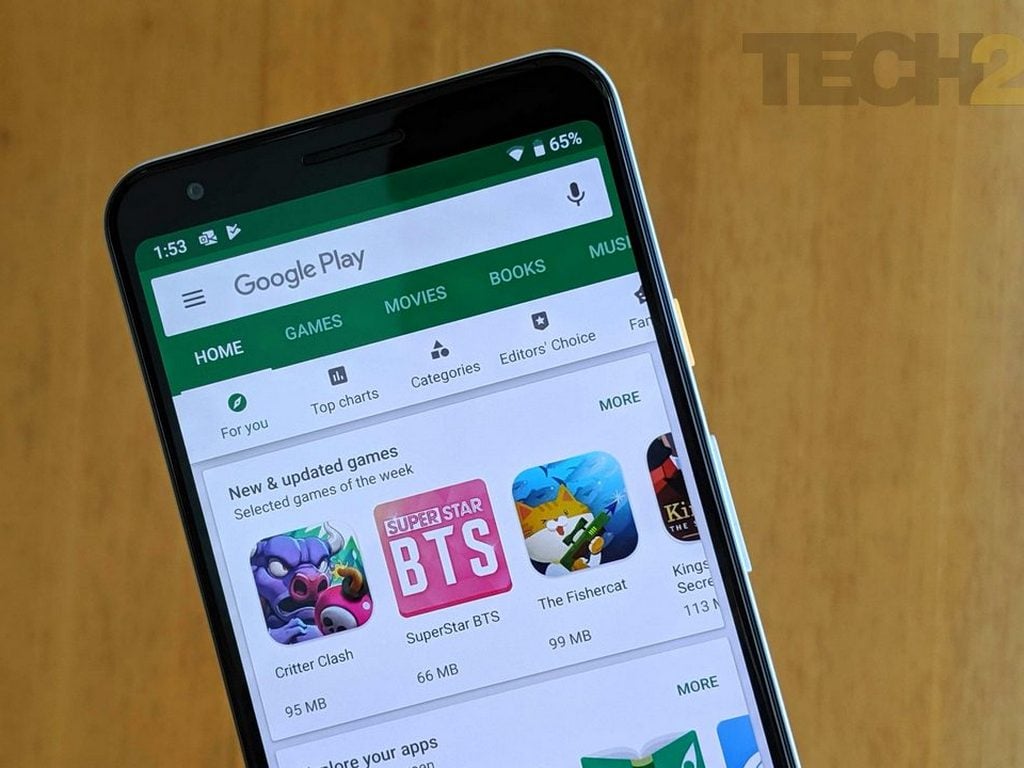 Google Play Store. Image: Tech2[/caption]According to the research team, the malware had generated “more than two billion fraudulent bid requests, infected upwards of 65,000 unwitting devices, and spoofed more than 5,000 apps” in only a week in June of 2020.These apps had varying titles, like ‘Free Boots’ or ‘Get Free Sneakers’. Moreover what lured in many users were the glowing 5-star ratings on these apps. The ratings were accompanied with good reviews that appreciated the apps and the great shoe collection.As one scrolls further through, many comments from Android users pop up, where users have commented their agitation for not receiving their new shoes after weeks of installing the app. The apps would ask users to keep the app installed for two weeks before they get their prizes.A spokesperson from Google also spoke about the collaboration. The spokesperson said that White Ops’ “critical findings” helped them “connect the case to a previously found set of mobile apps and to identify additional bad apps”.

Why AI notetakers are raising serious privacy and security concerns
China's low-cost AI models are changing the global AI race. Here's why Silicon Valley is worried
China's Kimi K3 challenges US AI leaders with frontier-level performance at lower cost
How did Instagram run ads promoting child abuse in India?
Why has India halted WhatsApp’s username feature before launch?